

Understanding Industrial Chain Sprockets: Key Components of Machinery Efficiency
Feb 15,2026

Industrial chain sprockets are vital components in the realm of industrial machinery and equipment, particularly in the operation of chain-driven systems. These mechanical devices are designed to engage with chains to transmit power and facilitate movement in various applications. Understanding the function and significance of industrial chain sprockets can help industries optimize their machinery for better performance.
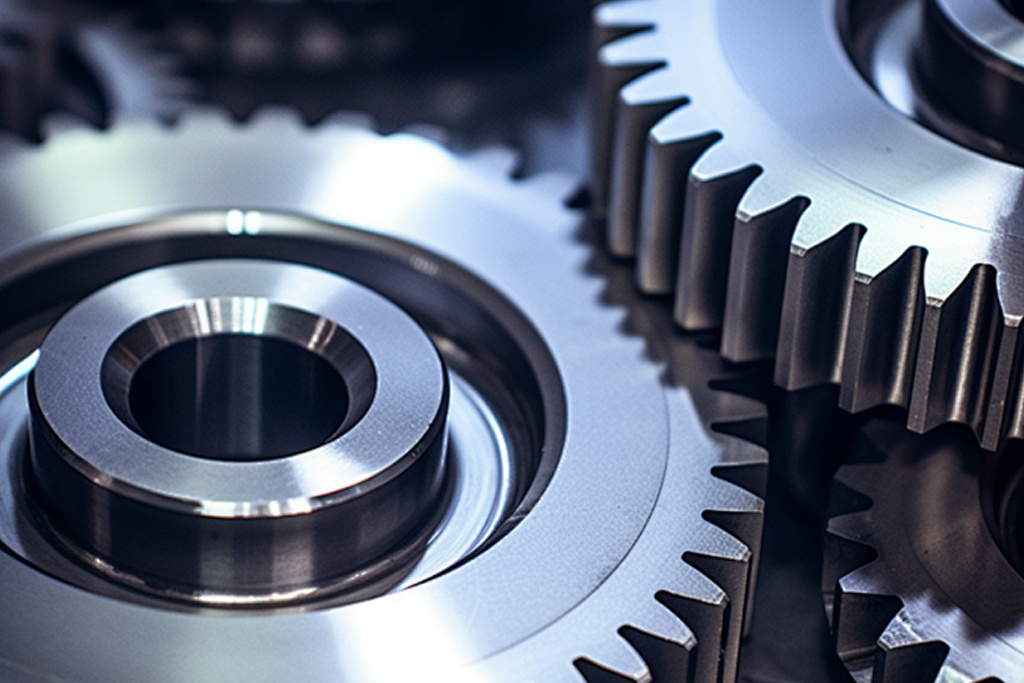
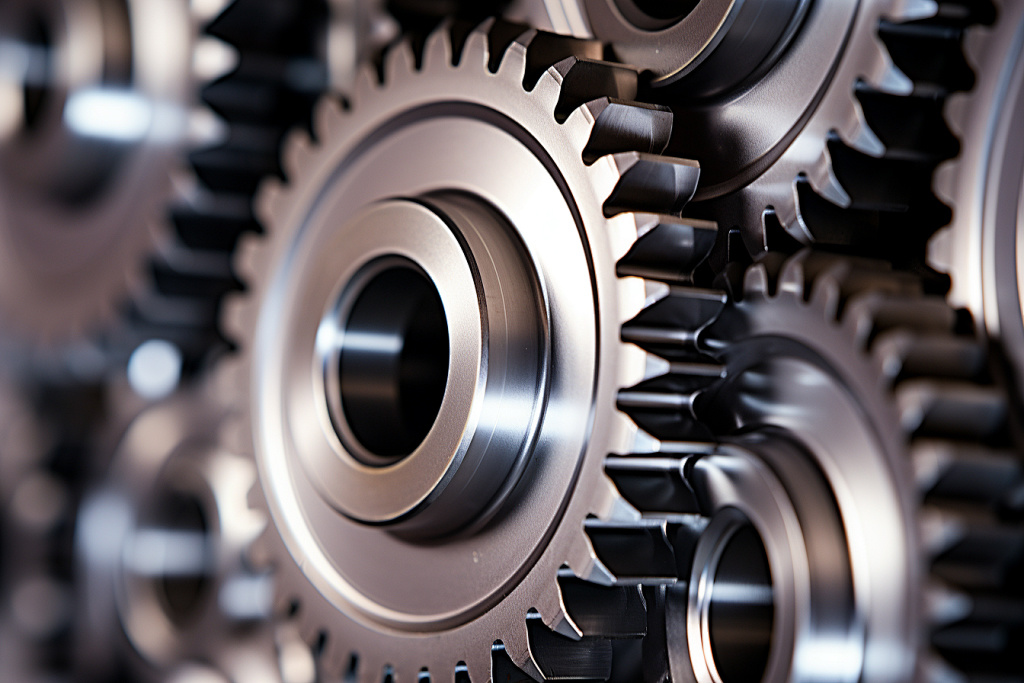
At their core, industrial chain sprockets consist of a wheel with teeth that mesh with the links of a chain. This interlocking design allows the sprocket to convert rotational motion into linear movement, making it indispensable in numerous applications such as conveyor belts, automotive systems, and assembly lines. The efficacy of any chain-driven mechanism heavily relies on the selection and maintenance of the correct sprocket type, size, and material.
One of the primary advantages of using industrial chain sprockets is their ability to transmit significant amounts of force over long distances. This feature is particularly beneficial in operations requiring the movement of heavy loads. For instance, in warehouses using conveyor systems, industrial chain sprockets help facilitate the quick and efficient transportation of goods, thereby enhancing productivity.
Moreover, the durability of industrial chain sprockets is crucial for ensuring long-term performance. These components are typically manufactured from high-strength materials such as steel or reinforced polymers, allowing them to withstand the rigors of industrial environments. Regular maintenance, including lubrication and inspection for wear and tear, is essential to prolonging the lifespan of both the sprockets and the chains they engage with.
In addition to their functional benefits, industrial chain sprockets also play a crucial role in allowing for the customization of machinery. By varying the size of the sprockets or the pitch of the chains, engineers can design systems that cater to specific operational requirements. This adaptability is particularly important in industries like manufacturing and logistics, where efficiency and precision are paramount.
Lastly, understanding the relationship between industrial chain sprockets and chain tension is critical for optimal performance. Proper tension ensures that the chain remains engaged with the sprocket teeth, reducing the risk of slippage and potential mechanical failure. Regular checks and adjustments can help maintain the correct tension, contributing to smoother operations and minimizing downtime.
In conclusion, industrial chain sprockets are integral to the functionality of various machinery across multiple industries. Their ability to efficiently transmit power, coupled with their durability and adaptability, makes them essential for optimizing industrial operations. By investing time in understanding and maintaining these components, businesses can greatly enhance the efficiency and reliability of their machinery.
At their core, industrial chain sprockets consist of a wheel with teeth that mesh with the links of a chain. This interlocking design allows the sprocket to convert rotational motion into linear movement, making it indispensable in numerous applications such as conveyor belts, automotive systems, and assembly lines. The efficacy of any chain-driven mechanism heavily relies on the selection and maintenance of the correct sprocket type, size, and material.
One of the primary advantages of using industrial chain sprockets is their ability to transmit significant amounts of force over long distances. This feature is particularly beneficial in operations requiring the movement of heavy loads. For instance, in warehouses using conveyor systems, industrial chain sprockets help facilitate the quick and efficient transportation of goods, thereby enhancing productivity.
Moreover, the durability of industrial chain sprockets is crucial for ensuring long-term performance. These components are typically manufactured from high-strength materials such as steel or reinforced polymers, allowing them to withstand the rigors of industrial environments. Regular maintenance, including lubrication and inspection for wear and tear, is essential to prolonging the lifespan of both the sprockets and the chains they engage with.
In addition to their functional benefits, industrial chain sprockets also play a crucial role in allowing for the customization of machinery. By varying the size of the sprockets or the pitch of the chains, engineers can design systems that cater to specific operational requirements. This adaptability is particularly important in industries like manufacturing and logistics, where efficiency and precision are paramount.
Lastly, understanding the relationship between industrial chain sprockets and chain tension is critical for optimal performance. Proper tension ensures that the chain remains engaged with the sprocket teeth, reducing the risk of slippage and potential mechanical failure. Regular checks and adjustments can help maintain the correct tension, contributing to smoother operations and minimizing downtime.
In conclusion, industrial chain sprockets are integral to the functionality of various machinery across multiple industries. Their ability to efficiently transmit power, coupled with their durability and adaptability, makes them essential for optimizing industrial operations. By investing time in understanding and maintaining these components, businesses can greatly enhance the efficiency and reliability of their machinery.
TAG:
Contact Us
E-mail :
001@shenma-sprocket.com
Phone/WhatsApp:
+86-15028709856
Address:
Military Camp Village, Shimen Qiao Town, Renqiu City, Cangzhou, Hebei, China
Contact Info
Export Manager: Mr. Shen
Military Camp Village, Shimen Qiao Town, Renqiu City, Cangzhou, Hebei, China


Quick Link
Home

About Us
Product
OEM
Blog
Service
Contact Us
Get a Quote