

Unlocking Performance: The Role of Mechanical Transmission Gears in Modern Vehicles
Mar 11,2026

Unlocking Performance: The Role of Mechanical Transmission Gears in Modern Vehicles
Table of Contents
1. Introduction to Mechanical Transmission Gears
2. Understanding the Function of Gears in Transmission Systems
3. Types of Mechanical Transmission Gears
3.1. Spur Gears
3.2. Helical Gears
3.3. Bevel Gears
3.4. Worm Gears
3.5. Planetary Gears
4. The Critical Role of Gears in Vehicle Performance
4.1. Enhancing Torque and Speed
4.2. Fuel Efficiency and Eco-Friendly Driving
4.3. Smooth Gear Shifting
5. Innovations in Mechanical Transmission Gears
5.1. Advanced Materials and Technologies
5.2. The Shift Towards Electric Vehicles
6. Maintenance and Care for Transmission Gears
7. Common Issues and Troubleshooting Gear Problems
8. Conclusion
9. FAQs
1. Introduction to Mechanical Transmission Gears
Mechanical transmission gears are crucial components in modern vehicles, serving as the backbone of the transmission system. They play an essential role in transferring power from the engine to the wheels, ensuring that the vehicle operates smoothly and efficiently. This article will delve deep into the various types of gears, their functions, and their significance in enhancing vehicle performance.
2. Understanding the Function of Gears in Transmission Systems
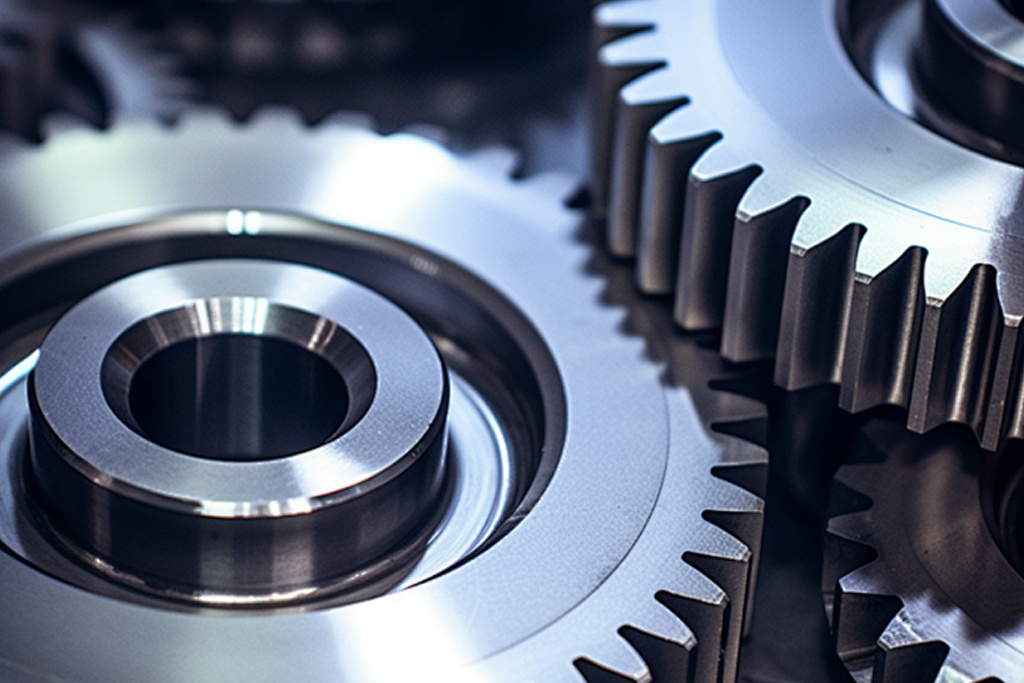
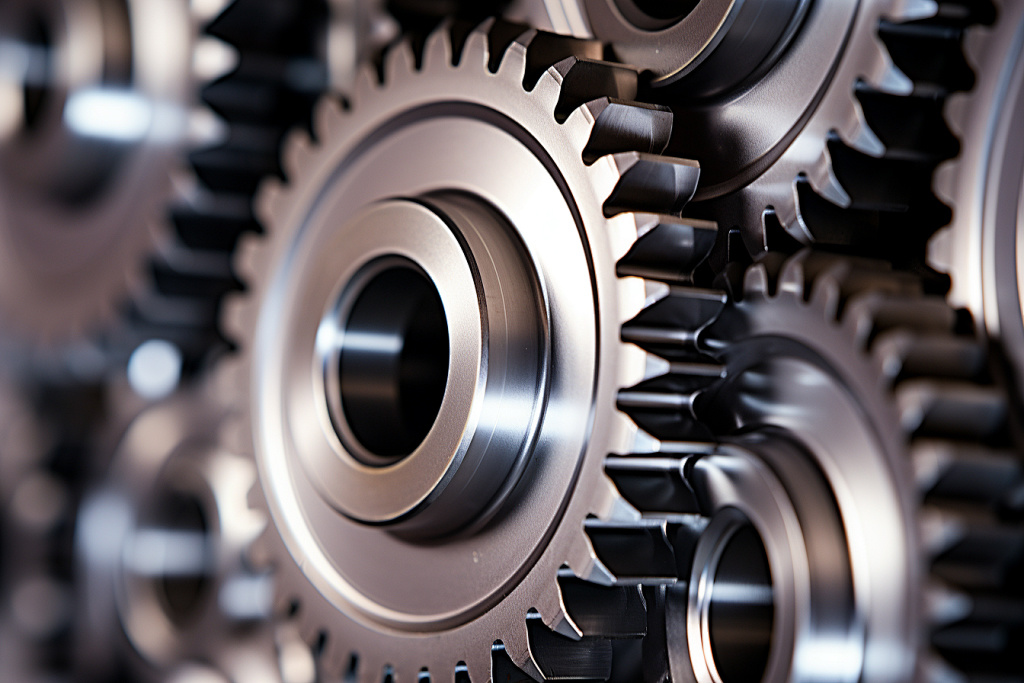
Gears are mechanical devices with teeth that interlock to transmit torque and rotational motion. In a vehicle’s transmission system, gears enable the engine to maintain an optimal power band while allowing the driver to control speed and acceleration. The gear ratio, defined as the ratio of the number of teeth on two interlocking gears, is a critical factor in determining the performance characteristics of the vehicle.
When a driver accelerates, the transmission uses gears to adjust the engine speed and torque output. This adjustment allows for efficient power delivery to the wheels, ultimately improving the driving experience and vehicle performance.
3. Types of Mechanical Transmission Gears
Understanding the various types of mechanical transmission gears can help shed light on their unique applications and benefits in vehicles.
3.1. Spur Gears
Spur gears are the simplest type of gear, featuring straight teeth that are parallel to the axis of rotation. These gears provide high efficiency and are commonly used in applications where speed reduction is necessary. They are particularly effective in situations requiring high torque but lower speeds.
3.2. Helical Gears
Helical gears have teeth that are angled, allowing for smoother engagement and reduced noise compared to spur gears. They are often used in automobile transmissions due to their ability to handle larger loads and operate more quietly, making them ideal for modern vehicles.
3.3. Bevel Gears
Bevel gears are designed to change the axis of rotation. They are typically used in applications where shafts meet at an angle, such as in the differential systems of vehicles. Bevel gears are essential for directing power to the wheels efficiently.
3.4. Worm Gears
Worm gears consist of a worm (a screw-like component) and a worm wheel (a gear) that mesh together. They provide excellent speed reduction and high torque output, making them suitable for applications requiring significant power transfer in compact spaces.
3.5. Planetary Gears
Planetary gears consist of a central gear (the sun gear) surrounded by multiple gears (planet gears) that rotate around it. This configuration allows for smooth power delivery and compact design, making planetary gears popular in automatic transmission systems.
4. The Critical Role of Gears in Vehicle Performance
Gears significantly contribute to various aspects of vehicle performance, including torque transfer, fuel efficiency, and overall drivability.
4.1. Enhancing Torque and Speed
The primary function of gears is to modify torque and speed. By selecting the appropriate gear ratio, drivers can maximize engine output, enabling the vehicle to accelerate quickly while maintaining control.
4.2. Fuel Efficiency and Eco-Friendly Driving
Efficient gear ratios contribute to improved fuel economy. Vehicles equipped with advanced transmission systems can optimize engine performance, resulting in reduced fuel consumption and lower emissions, aligning with the growing demand for eco-friendly driving solutions.
4.3. Smooth Gear Shifting
Modern gear systems ensure smoother transitions between gears, enhancing the driving experience. Technologies such as dual-clutch transmissions and continuously variable transmissions (CVTs) use advanced gear mechanisms to provide seamless acceleration and improved responsiveness.
5. Innovations in Mechanical Transmission Gears
As automotive technology advances, innovations in gear design and materials have emerged, significantly enhancing performance.
5.1. Advanced Materials and Technologies
Manufacturers are now using lighter and stronger materials such as carbon fiber and advanced alloys to produce gears. These materials reduce weight, improve durability, and enhance performance under high-stress conditions.
5.2. The Shift Towards Electric Vehicles
The rise of electric vehicles (EVs) has prompted the development of new gear systems. These systems are designed to operate efficiently with electric motors, which have different torque characteristics compared to traditional internal combustion engines. Innovations such as electric drive systems eliminate the need for complex gear arrangements, simplifying vehicle design.
6. Maintenance and Care for Transmission Gears
To ensure the longevity and optimal performance of mechanical transmission gears, regular maintenance is crucial. Drivers should follow the manufacturer's recommendations for fluid changes, inspections, and repairs. Keeping the transmission system clean and well-lubricated can prevent wear and tear, ultimately extending the lifespan of gears.
7. Common Issues and Troubleshooting Gear Problems
Despite their robustness, transmission gears can encounter issues over time. Common problems include slipping gears, unusual noises, and difficulty shifting. Identifying these issues early can prevent more significant damage. Drivers should seek professional assistance or consult their vehicle’s manual if any unusual symptoms arise.
8. Conclusion
Mechanical transmission gears are integral to the performance and efficiency of modern vehicles. Understanding their types, functions, and maintenance can enhance the driving experience and ensure optimal vehicle performance. As technology continues to evolve, innovations in gear design will undoubtedly lead to even more efficient and powerful automotive solutions, paving the way for the future of transportation.
9. FAQs
1. What is the primary function of mechanical transmission gears in vehicles?
Mechanical transmission gears transfer power from the engine to the wheels, enabling effective speed and torque management for optimal driving performance.
2. What are the main types of gears used in vehicle transmissions?
The main types of gears include spur gears, helical gears, bevel gears, worm gears, and planetary gears, each serving specific functions within the transmission system.
3. How do gear ratios impact vehicle performance?
Gear ratios determine the relationship between engine speed and wheel speed, affecting acceleration, top speed, and fuel efficiency.
4. What maintenance is required for transmission gears?
Regular maintenance includes fluid changes, inspections for wear, and ensuring proper lubrication to keep gears functioning efficiently.
5. What are some common issues related to mechanical transmission gears?
Common issues include slipping gears, unusual noises, and difficulties in shifting, which may indicate the need for professional inspection and repair.
TAG:
Contact Us
E-mail :
001@shenma-sprocket.com
Phone/WhatsApp:
+86-15028709856
Address:
Military Camp Village, Shimen Qiao Town, Renqiu City, Cangzhou, Hebei, China
Contact Info
Export Manager: Mr. Shen
Military Camp Village, Shimen Qiao Town, Renqiu City, Cangzhou, Hebei, China


Quick Link
Home

About Us
Product
OEM
Blog
Service
Contact Us
Get a Quote