

Designing Small Gears for Optimal Performance in Harsh Environments
Mar 29,2026
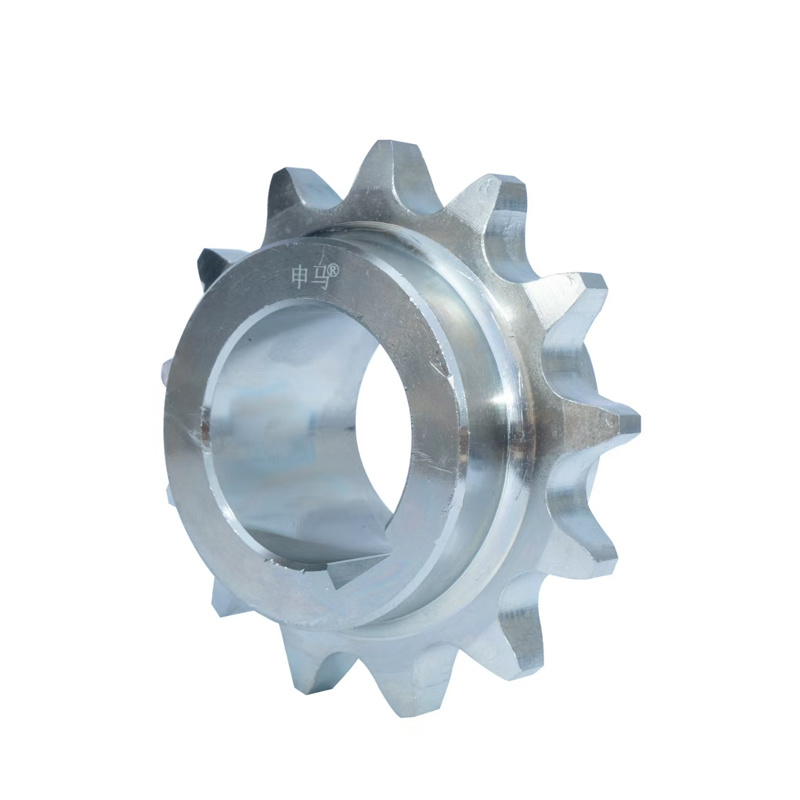
Designing Small Gears for Optimal Performance in Harsh Environments
Introduction
In the world of engineering and manufacturing, **small gears** play a pivotal role in the performance of various machinery and equipment. When these gears operate in **harsh environments**, their design becomes crucial for maintaining efficiency and durability. This article delves into the essential aspects of designing small gears, focusing on how to achieve optimal performance even in challenging conditions.
Understanding the Role of Small Gears
What Are Small Gears?
Small gears, typically defined by their diameter and tooth count, are essential components in **transmission systems**. They help transfer power and motion between different parts of machinery, making them integral to systems such as vehicles, industrial equipment, and consumer electronics.
Importance of Gear Design
The design of small gears significantly impacts their **performance**, **reliability**, and **longevity**. When tasked with operating in challenging conditions, factors like material selection, tooth geometry, and lubrication must be carefully considered.
Key Challenges in Harsh Environments
Types of Harsh Environments
Gears often encounter various harsh conditions, including:
- Extreme temperatures
- High humidity or moisture
- Dust and particulate contamination
- Chemical exposure
- Mechanical stress
Effects of Harsh Conditions on Gear Performance
Operating in these environments can lead to:
- Increased wear and tear
- Decreased efficiency
- Risk of failure
- Shortened lifespan
Understanding these challenges is crucial for engineers and manufacturers aiming to create durable and efficient gear systems.
Material Selection for Small Gears
Choosing the Right Materials
The first step in designing gears for harsh environments involves selecting materials that can withstand extreme conditions. Common materials include:
- **Steel:** Offers high strength and durability but may require surface treatments for corrosion resistance.
- **Aluminum:** Lightweight and resistant to corrosion, ideal for certain applications.
- **Plastics:** Such as polyacetal or nylon, which can provide self-lubricating properties but may not handle high loads.
Advanced Material Options
For more demanding applications, consider **composite materials** or alloys like titanium, which offer superior strength-to-weight ratios and resistance to extreme temperatures and corrosion.
Engineering Techniques for Optimal Design
Tooth Geometry and Design
The geometry of gear teeth plays a critical role in their performance. Key considerations include:
- **Pressure Angle:** Affects the strength and efficiency of the gear.
- **Tooth Profile:** Such as involute or cycloidal shapes, influencing the engagement and meshing of gears.
- **Face Width and Diameter:** Affect load distribution and strength.
Precision Manufacturing Techniques
Using advanced manufacturing techniques like **CNC machining**, **3D printing**, or **gear hobbing** can enhance the precision of gear components, leading to better performance in harsh conditions. Ensuring tight tolerances is vital to minimize backlash and wear.
Lubrication Strategies
Importance of Proper Lubrication
Effective lubrication reduces friction, wear, and heat generation in gears. In harsh environments, choosing the right lubricant is critical.
Types of Lubricants
Consider the following options:
- **Grease:** Provides excellent protection in dusty or moist conditions.
- **Oil:** Suitable for high-speed applications, ensuring consistent lubrication at various temperatures.
- **Dry Lubricants:** Such as graphite, which can be beneficial in extreme heat or chemical exposure.
Testing and Validation of Gear Designs
Importance of Prototyping
Before full-scale production, creating prototypes allows for thorough testing under simulated harsh conditions. This step is essential to identify potential failures and make design adjustments accordingly.
Methods of Testing Gear Performance
Various testing methods can be employed, including:
- **Load Testing:** To determine the gear's ability to handle specified loads.
- **Environmental Testing:** Simulating harsh conditions to evaluate performance and durability.
- **Fatigue Testing:** Assessing longevity and wear over time.
Case Studies: Successful Gear Design in Harsh Environments
Automotive Applications
In the automotive industry, small gears must endure extreme temperatures and mechanical stress. Successful designs have utilized custom alloys and advanced tooth geometries to enhance performance and reliability.
Aerospace Applications
Aerospace components often work in environments with significant temperature variations and pressure changes. Utilizing lightweight materials with high strength-to-weight ratios allows for efficient small gear designs that meet stringent safety requirements.
Future Trends in Gear Design
Innovations in Material Science
Emerging materials and treatments, including nanotechnology and smart materials, are set to revolutionize small gear design. These advancements promise improved performance and reliability in harsh environments.
Integration of Smart Technology
The integration of sensors within gear systems is becoming increasingly prevalent. These sensors can monitor performance metrics, providing real-time data to enhance maintenance and prevent failures.
FAQs
1. What materials are best for small gears in harsh environments?
Steel, aluminum, and advanced composites are commonly used, depending on the specific environmental challenges.
2. How does tooth geometry affect gear performance?
Tooth geometry influences efficiency, strength, and wear resistance, making it a critical factor in gear design.
3. What lubrication methods are recommended for harsh environments?
Grease, oil, and dry lubricants are all viable options, depending on the specific conditions and requirements.
4. Why is prototyping important in gear design?
Prototyping allows for testing and validation of designs under simulated conditions, helping to identify potential issues before full-scale production.
5. What are some future trends in gear design?
Innovations in materials and the integration of smart technology are key trends that could significantly impact future gear design.
Conclusion
Designing small gears for optimal performance in harsh environments is a complex but rewarding challenge. By understanding material properties, leveraging advanced engineering techniques, and implementing effective lubrication strategies, engineers can create reliable and efficient gear systems. Continuous innovation and adaptation to emerging technologies will further enhance the capabilities of small gears, ensuring they meet the demands of ever-evolving industries. As we move forward, focusing on these aspects will be vital for achieving excellence in gear design and performance.
TAG:

Contact Us
E-mail :
001@shenma-sprocket.com
Phone/WhatsApp:
+86-15028709856
Address:
Military Camp Village, Shimen Qiao Town, Renqiu City, Cangzhou, Hebei, China
Contact Info
Export Manager: Mr. Shen
Military Camp Village, Shimen Qiao Town, Renqiu City, Cangzhou, Hebei, China


Quick Link
Home

About Us
Product
OEM
Blog
Service
Contact Us
Get a Quote