

The Essential Role of Small Gears in Automotive Transmission Systems
Apr 13,2026
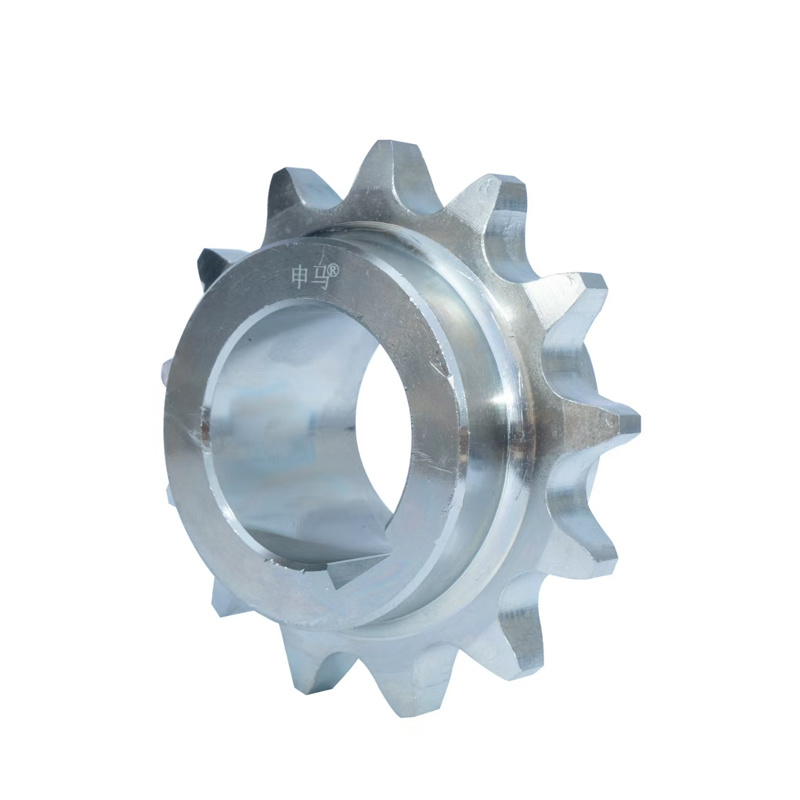
Small gears, often overlooked in the vast landscape of automotive and motorcycle components, play a vital role in the efficiency and effectiveness of transmission systems. These compact yet powerful elements are essential for transferring motion and torque within various mechanical assemblies, contributing significantly to the overall performance of vehicles.
In automotive applications, small gears are typically found in gearboxes, differential assemblies, and other transmission components. Their primary function is to change the direction of force and to adjust torque levels to suit different driving conditions. This adaptability is crucial, as it allows vehicles to maintain optimal performance across various speeds and terrains.
One of the key advantages of small gears is their ability to achieve high gear ratios in a compact space. This feature is particularly important in modern automotive designs, where space is often at a premium. By implementing small gears, manufacturers can create lightweight and efficient transmission systems that enhance fuel economy while providing the necessary power output. Furthermore, the precise engineering of these gears minimizes friction and wear, contributing to longer lifespan and reduced maintenance requirements.
The manufacturing process of small gears involves precision machining techniques such as hobbing, shaping, and grinding. These processes ensure that the gears maintain strict tolerances and surface finishes, which are crucial for reducing noise and improving the overall efficiency of the transmission. Additionally, advancements in materials science have led to the development of high-strength alloys and composites, further enhancing the performance and durability of small gears under varying loads and environmental conditions.
Moreover, small gears are not limited to traditional automotive applications. They are increasingly being utilized in electric vehicles (EVs) and hybrid systems, where their compact size and efficient torque management capabilities are essential for optimizing power delivery and extending battery life.
In conclusion, small gears are a fundamental component of automotive transmission systems, influencing performance, efficiency, and reliability. As the automotive industry continues to evolve with advancements in technology, the importance of these small yet mighty gears will only grow. Understanding their role not only highlights their significance but also emphasizes the intricate engineering that goes into creating modern vehicles. Investing in high-quality small gears and ensuring they are properly integrated into the transmission system is essential for any manufacturer aiming to achieve excellence in vehicle performance.
In automotive applications, small gears are typically found in gearboxes, differential assemblies, and other transmission components. Their primary function is to change the direction of force and to adjust torque levels to suit different driving conditions. This adaptability is crucial, as it allows vehicles to maintain optimal performance across various speeds and terrains.
One of the key advantages of small gears is their ability to achieve high gear ratios in a compact space. This feature is particularly important in modern automotive designs, where space is often at a premium. By implementing small gears, manufacturers can create lightweight and efficient transmission systems that enhance fuel economy while providing the necessary power output. Furthermore, the precise engineering of these gears minimizes friction and wear, contributing to longer lifespan and reduced maintenance requirements.
The manufacturing process of small gears involves precision machining techniques such as hobbing, shaping, and grinding. These processes ensure that the gears maintain strict tolerances and surface finishes, which are crucial for reducing noise and improving the overall efficiency of the transmission. Additionally, advancements in materials science have led to the development of high-strength alloys and composites, further enhancing the performance and durability of small gears under varying loads and environmental conditions.
Moreover, small gears are not limited to traditional automotive applications. They are increasingly being utilized in electric vehicles (EVs) and hybrid systems, where their compact size and efficient torque management capabilities are essential for optimizing power delivery and extending battery life.
In conclusion, small gears are a fundamental component of automotive transmission systems, influencing performance, efficiency, and reliability. As the automotive industry continues to evolve with advancements in technology, the importance of these small yet mighty gears will only grow. Understanding their role not only highlights their significance but also emphasizes the intricate engineering that goes into creating modern vehicles. Investing in high-quality small gears and ensuring they are properly integrated into the transmission system is essential for any manufacturer aiming to achieve excellence in vehicle performance.
TAG:

Contact Us
E-mail :
001@shenma-sprocket.com
Phone/WhatsApp:
+86-15028709856
Address:
Military Camp Village, Shimen Qiao Town, Renqiu City, Cangzhou, Hebei, China
Contact Info
Export Manager: Mr. Shen
Military Camp Village, Shimen Qiao Town, Renqiu City, Cangzhou, Hebei, China


Quick Link
Home

About Us
Product
OEM
Blog
Service
Contact Us
Get a Quote