

The Advantages of Incorporating Small Gears in Robotics
Apr 28,2026
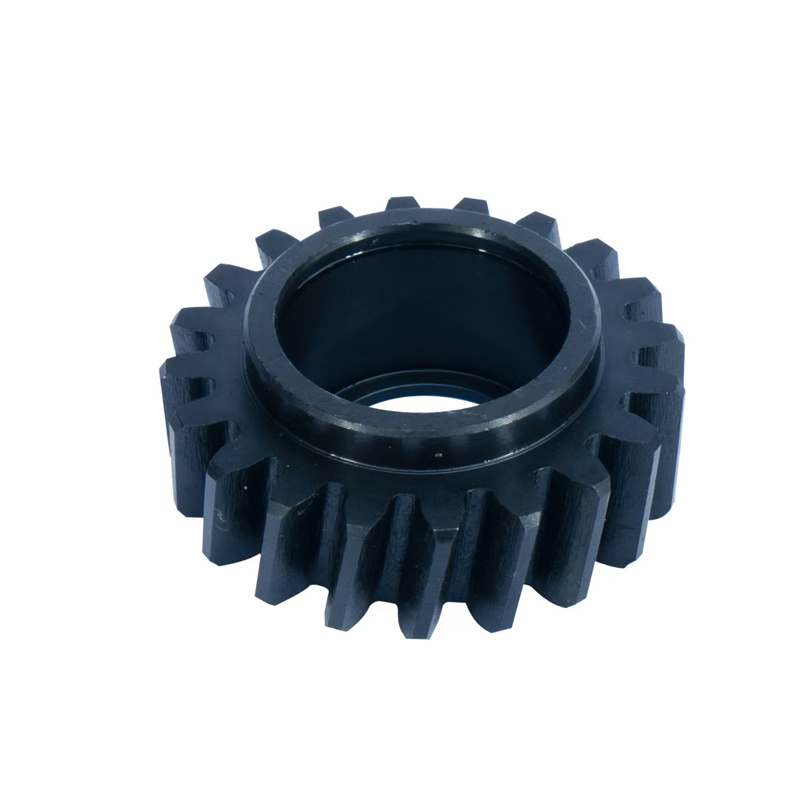
The Advantages of Incorporating Small Gears in Robotics
Table of Contents
- Introduction to Small Gears in Robotics
- Increased Efficiency with Small Gears
- Enhanced Precision and Control
- Space-Saving Benefits of Small Gears
- Lightweight Design for Improved Mobility
- Cost-Effective Solutions in Robotics
- Diverse Applications in Robotic Systems
- Design Considerations for Small Gears
- Conclusion
- FAQs About Small Gears in Robotics
Introduction to Small Gears in Robotics
The integration of **small gears** in robotics has revolutionized the design and functionality of robotic systems. These gears play a crucial role in translating motion, enhancing performance, and enabling precise control. Robotics has advanced significantly, with applications spanning various industries, including manufacturing, healthcare, and entertainment. Understanding the **benefits of small gears** helps engineers and developers optimize their designs for efficiency and effectiveness.
Increased Efficiency with Small Gears
One of the primary advantages of using small gears in robotics is the **increased efficiency** they provide. Small gears can efficiently transmit torque while maintaining high rotational speeds. This efficiency is vital in robotics, where energy conservation and optimal performance are paramount.
Small gears allow for **gear ratio adjustments**, which can significantly enhance the overall performance of the robotic system. By adjusting the gear ratios, engineers can achieve higher speeds or increased torque, depending on the application. This flexibility in gear design leads to improved energy management, ultimately resulting in longer operational hours and reduced power consumption.
Reducing Mechanical Losses
Small gears minimize mechanical losses typically associated with larger gears. With reduced friction and improved contact surfaces, small gears facilitate smoother operation, further contributing to the overall efficiency of robotic systems. The use of advanced materials and coatings also enhances performance by reducing wear and tear, ensuring longevity and reliability.
Enhanced Precision and Control
Precision is critical in robotics, especially in applications requiring exact movements. Small gears provide enhanced control over the robotic system's motion, allowing for fine-tuning and adjustments. Their compact size enables closer spacing and tighter tolerances, which are essential for applications like **surgical robots** or **automated assembly lines**.
Feedback Mechanisms for Increased Accuracy
Integrating feedback mechanisms, such as encoders, with small gears allows for real-time adjustments and corrections in the robotic system's movements. This feedback loop significantly improves accuracy, ensuring that robotic arms or wheels move precisely as intended. Such precision is vital in fields like aerospace and automotive engineering, where even a minor error can lead to significant consequences.
Space-Saving Benefits of Small Gears
In many robotic applications, space is a premium. The compact nature of small gears allows designers to create more efficient layouts without sacrificing functionality. This compact design not only saves space but also contributes to the overall aesthetics of the robotic system.
Design Flexibility
The ability to incorporate small gears enables greater design flexibility, allowing engineers to innovate and experiment with different configurations. For instance, small gears can be arranged in parallel or series, facilitating various motion paths and enhancing the robot's versatility. This adaptability is crucial in developing advanced robotics, where unique tasks may require customized solutions.
Lightweight Design for Improved Mobility
Another significant advantage of small gears is their lightweight design. Lighter robotic systems can move faster and more efficiently, leading to improved performance in dynamic environments. This attribute is especially crucial in applications where speed is essential, such as **delivery drones** or **automated vehicles**.
Material Advancements
The development of **advanced materials** has further enhanced the lightweight nature of small gears. Manufacturers are increasingly using materials like carbon-fiber composites and high-strength plastics, which offer strength without the added weight. This innovation results in robotic systems that can operate at higher speeds and with greater agility.
Cost-Effective Solutions in Robotics
Small gears can also contribute to cost-effective solutions in robotic design. Their ability to reduce material usage, combined with the potential for decreased energy consumption, results in lower operational costs. This cost-effectiveness is essential for businesses looking to maximize their return on investment.
Lower Manufacturing Costs
The manufacturing process for small gears has become more efficient due to technological advancements. As a result, the cost of producing these gears has decreased, making them a more viable option for robotic systems. This reduction in manufacturing costs can lead to significant savings for companies, allowing them to allocate resources to other critical areas of development.
Diverse Applications in Robotic Systems
Small gears find applications in a variety of robotic systems, enhancing their functionality and performance. Below are some notable applications:
Robotic Arms
In robotic arms, small gears are essential for providing the necessary torque and precision for various tasks, from assembly to surgical procedures. Their compact design allows for more intricate movements, enabling robotic arms to perform complex tasks with accuracy.
Mobility Robots
For mobility robots, such as autonomous vehicles or drones, small gears facilitate efficient movement and speed control. Their lightweight design contributes to longer battery life and improved performance in diverse environments.
Industrial Automation
In industrial automation, small gears drive conveyor systems, robotic welders, and assembly line robots. Their ability to handle high speeds and torque makes them ideal for demanding industrial applications.
Design Considerations for Small Gears
When integrating small gears into robotic systems, several design considerations should be taken into account.
Material Selection
Choosing the right materials is crucial for the performance and durability of small gears. Engineers must consider factors such as wear resistance, weight, and cost when selecting materials.
Gear Ratio Optimization
Optimizing gear ratios is essential to ensure that the robotic system performs as intended. Engineers should carefully calculate the required torque and speed for each application to achieve the desired results.
Lubrication and Maintenance
Proper lubrication and maintenance are vital for the longevity of small gears. Regular maintenance schedules should be established to ensure that gears operate smoothly and efficiently.
Conclusion
In conclusion, the integration of **small gears** in robotics offers numerous benefits, including increased efficiency, enhanced precision, space-saving designs, lightweight structures, and cost-effectiveness. Their diverse applications across various industries highlight their importance in modern robotics. By understanding the advantages and design considerations of small gears, engineers can develop innovative robotic solutions that meet the evolving demands of today’s technological landscape.
FAQs About Small Gears in Robotics
1. What are small gears, and why are they used in robotics?
Small gears are compact mechanical components that transmit motion and torque in robotic systems. Their size allows for enhanced precision, efficiency, and control, making them ideal for various robotic applications.
2. How do small gears improve the efficiency of robotic systems?
Small gears enhance efficiency by reducing mechanical losses, allowing for smoother operation and better energy management. They enable precise gear ratio adjustments to optimize performance based on specific tasks.
3. What applications benefit most from small gears in robotics?
Robotic arms, mobility robots, and industrial automation systems are among the applications that benefit significantly from the use of small gears, as they require high precision and efficiency.
4. Are small gears cost-effective for robotic systems?
Yes, small gears can contribute to cost-effective robotic designs by reducing material usage, energy consumption, and manufacturing costs, resulting in significant long-term savings.
5. What factors should be considered when designing with small gears?
Key factors include material selection, optimization of gear ratios, and the implementation of proper lubrication and maintenance schedules to ensure longevity and performance.
TAG:

Contact Us
E-mail :
001@shenma-sprocket.com
Phone/WhatsApp:
+86-15028709856
Address:
Military Camp Village, Shimen Qiao Town, Renqiu City, Cangzhou, Hebei, China
Contact Info
Export Manager: Mr. Shen
Military Camp Village, Shimen Qiao Town, Renqiu City, Cangzhou, Hebei, China


Quick Link
Home

About Us
Product
OEM
Blog
Service
Contact Us
Get a Quote