

Understanding Mechanical Transmission Gears: The Backbone of Automotive Drive Systems
May 25,2026
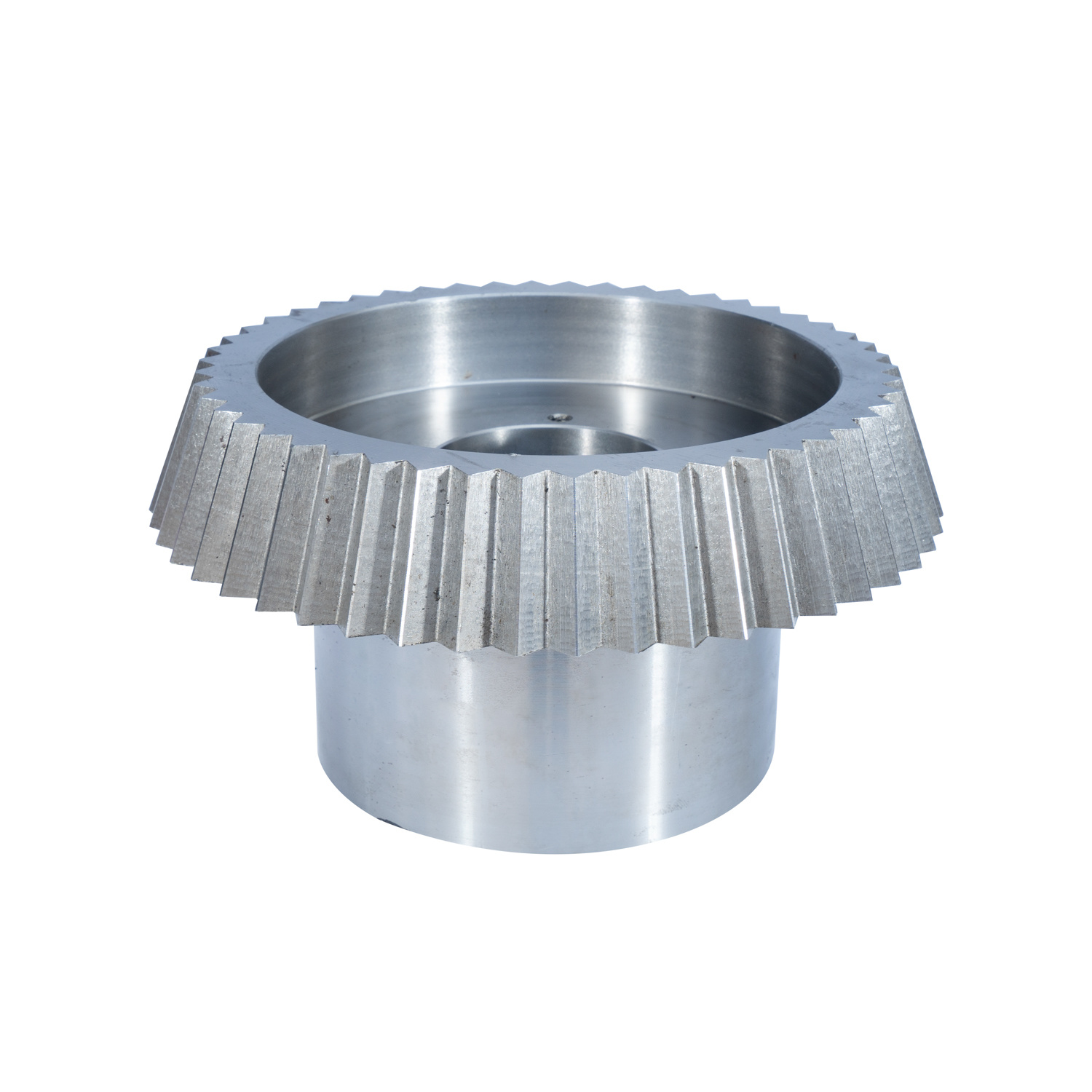
Mechanical transmission gears form an integral part of the automotive industry, particularly within the drive system segment. These gears are fundamental components that facilitate the transfer of power from the engine to the wheels, ensuring that vehicles operate efficiently and effectively. Understanding the intricacies of mechanical transmission gears is essential for industry professionals seeking to enhance vehicle performance and reliability.
Mechanical transmission gears function primarily by converting the rotational motion generated by the engine into usable torque for the wheels. This conversion is achieved through various gear types, including spur gears, helical gears, bevel gears, and worm gears. Each type has specific characteristics that make it suitable for particular applications. For example, spur gears are renowned for their simplicity and efficiency, making them ideal for straightforward applications, while helical gears, with their angled teeth, offer smoother and quieter operation, which is advantageous in high-speed scenarios.
The design and material selection of mechanical transmission gears play a pivotal role in their performance and durability. Gears are typically made from high-strength steel or composite materials to withstand the considerable stresses encountered during operation. Advances in manufacturing processes, such as gear hobbing and grinding, have also improved the precision and quality of gears, leading to enhanced performance and longevity.
Another vital aspect of mechanical transmission gears is their ability to manage gear ratios. Gear ratios dictate how much torque is transmitted to the wheels relative to the engine’s output. By utilizing different gear ratios, automotive engineers can optimize performance characteristics for specific driving conditions, whether for acceleration, fuel efficiency, or handling.
Maintenance of mechanical transmission gears is crucial for ensuring long-term performance. Regular inspections and timely lubrication can prevent wear and tear, which could lead to gear failure. Additionally, understanding the common signs of gear issues, such as unusual noises or vibrations, can help professionals address problems before they escalate, ensuring that vehicles remain operational and safe.
In conclusion, mechanical transmission gears are vital to the functionality of automotive drive systems. With various types of gears designed for specific applications, advancements in material science, and the importance of maintenance, professionals in the automotive sector must stay informed about the latest developments in gear technology. This knowledge not only helps in optimizing vehicle performance but also enhances overall reliability and safety in automotive engineering.
Mechanical transmission gears function primarily by converting the rotational motion generated by the engine into usable torque for the wheels. This conversion is achieved through various gear types, including spur gears, helical gears, bevel gears, and worm gears. Each type has specific characteristics that make it suitable for particular applications. For example, spur gears are renowned for their simplicity and efficiency, making them ideal for straightforward applications, while helical gears, with their angled teeth, offer smoother and quieter operation, which is advantageous in high-speed scenarios.
The design and material selection of mechanical transmission gears play a pivotal role in their performance and durability. Gears are typically made from high-strength steel or composite materials to withstand the considerable stresses encountered during operation. Advances in manufacturing processes, such as gear hobbing and grinding, have also improved the precision and quality of gears, leading to enhanced performance and longevity.
Another vital aspect of mechanical transmission gears is their ability to manage gear ratios. Gear ratios dictate how much torque is transmitted to the wheels relative to the engine’s output. By utilizing different gear ratios, automotive engineers can optimize performance characteristics for specific driving conditions, whether for acceleration, fuel efficiency, or handling.
Maintenance of mechanical transmission gears is crucial for ensuring long-term performance. Regular inspections and timely lubrication can prevent wear and tear, which could lead to gear failure. Additionally, understanding the common signs of gear issues, such as unusual noises or vibrations, can help professionals address problems before they escalate, ensuring that vehicles remain operational and safe.
In conclusion, mechanical transmission gears are vital to the functionality of automotive drive systems. With various types of gears designed for specific applications, advancements in material science, and the importance of maintenance, professionals in the automotive sector must stay informed about the latest developments in gear technology. This knowledge not only helps in optimizing vehicle performance but also enhances overall reliability and safety in automotive engineering.
TAG:
Contact Us
E-mail :
001@shenma-sprocket.com
Phone/WhatsApp:
+86-15028709856
Address:
Military Camp Village, Shimen Qiao Town, Renqiu City, Cangzhou, Hebei, China
Contact Info
Export Manager: Mr. Shen
Military Camp Village, Shimen Qiao Town, Renqiu City, Cangzhou, Hebei, China


Quick Link
Home

About Us
Product
OEM
Blog
Service
Contact Us
Get a Quote