

The Art of Balancing Small Gears for Maximum Efficiency
Aug 28,2026
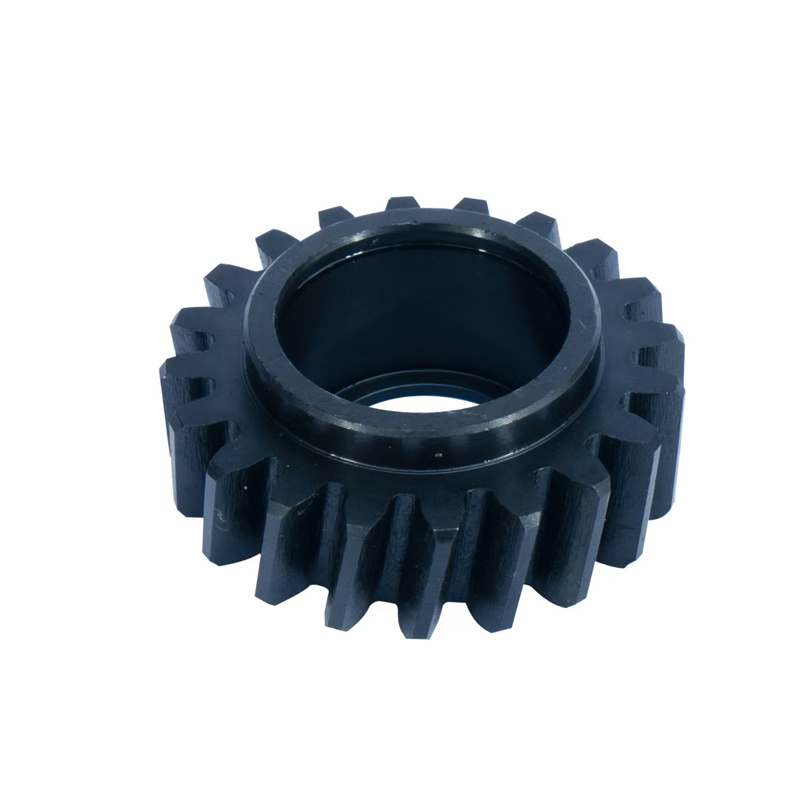
The Art of Balancing Small Gears for Maximum Efficiency
Table of Contents
1. Introduction to Small Gears and Their Importance in Mechanical Systems
2. Understanding Gear Imbalance: Causes and Consequences
3. The Science of Gear Balancing: Techniques and Methodologies
4. Tools and Equipment for Effective Gear Balancing
5. Practical Applications: Improving Performance in Automotive Transmissions
6. Common Mistakes in Gear Balancing and How to Avoid Them
7. Future Trends in Gear Design and Balancing Technologies
8. Frequently Asked Questions (FAQs)
9. Conclusion
1. Introduction to Small Gears and Their Importance in Mechanical Systems
Small gears are critical components in various mechanical systems, especially in the automotive sector. They facilitate the transfer of motion and torque, ensuring that machines operate smoothly and efficiently. The significance of small gears extends beyond mere functionality; they play a pivotal role in determining the overall performance, durability, and reliability of mechanical systems. With the rise in demand for precision engineering, mastering the art of balancing small gears has never been more essential.
In this article, we will delve into the intricacies of balancing small gears, exploring the methodologies that enhance efficiency and longevity in machinery. As we navigate this topic, it is crucial to understand how even the smallest imbalance can lead to significant performance issues.
2. Understanding Gear Imbalance: Causes and Consequences
Gear imbalance can result from various factors, including manufacturing defects, improper assembly, and wear and tear. When gears are not perfectly balanced, they can cause vibrations, noise, and premature wear, ultimately affecting the efficiency of the entire system.
**Causes of Gear Imbalance**:
- **Manufacturing Tolerances**: Variations during the machining process can lead to weight distribution discrepancies.
- **Material Defects**: Inclusions and inconsistencies in the gear material can alter weight distribution.
- **Wear**: As gears operate, they can wear unevenly, leading to imbalance over time.
**Consequences of Gear Imbalance**:
- **Increased Wear and Tear**: Imbalance accelerates wear on both the gear and adjacent components.
- **Reduced Efficiency**: Vibrations caused by imbalance can lead to energy loss, reducing overall efficiency.
- **System Failure**: In severe cases, imbalance can result in catastrophic failure, leading to costly repairs and downtime.
Recognizing these issues is the first step toward implementing effective balancing strategies.
3. The Science of Gear Balancing: Techniques and Methodologies
Balancing small gears involves precise calculations and methodologies aimed at achieving optimal weight distribution. There are several established techniques used in the industry:
3.1 Static Balancing
Static balancing involves ensuring that the center of mass of the gear is aligned with the axis of rotation. This technique is straightforward and often used during the initial manufacturing phase.
3.2 Dynamic Balancing
Dynamic balancing takes into account the forces acting on the gear while it rotates. This method involves rotating the gear and measuring vibrations to identify imbalances. Weights can then be added or removed to achieve balance.
3.3 Torque Balancing
Torque balancing focuses on equalizing forces acting on the gear during operation. This technique is particularly important in high-speed applications where even minor imbalances can cause significant issues.
Implementing these techniques requires a combination of skill, experience, and the right tools, which we will explore in the next section.
4. Tools and Equipment for Effective Gear Balancing
Achieving the perfect balance requires more than just knowledge; it necessitates the right tools. Here are some essential tools for effective gear balancing:
4.1 Balancing Machines
These machines are designed to identify and correct imbalances in rotating components. They provide precise measurements, allowing for efficient adjustments.
4.2 Vibration Analyzers
Vibration analyzers help detect imbalances by measuring vibrations during gear operation. This data is crucial for identifying the sources of imbalance.
4.3 Laser Alignment Tools
These tools ensure that gears are aligned correctly, which is essential for achieving balance. Misalignment can exacerbate any existing imbalance.
Investing in high-quality tools is essential for effective gear balancing and can significantly enhance the efficiency of mechanical systems.
5. Practical Applications: Improving Performance in Automotive Transmissions
Balancing small gears has direct implications for automotive transmissions. An efficiently balanced gear system can lead to better fuel efficiency, smoother operation, and extended component life.
5.1 Enhancing Fuel Efficiency
Balanced gears reduce energy loss through vibrations, allowing engines to operate more efficiently. This translates to better fuel economy for vehicles.
5.2 Smoother Operation
A well-balanced transmission provides a smoother ride by minimizing vibrations. This leads to improved driver comfort and overall vehicle performance.
5.3 Longevity of Components
By reducing wear and tear on gears and associated components, balanced systems extend the life of automotive parts, resulting in lower maintenance costs.
The importance of balancing extends beyond performance; it influences safety, reliability, and overall vehicle satisfaction.
6. Common Mistakes in Gear Balancing and How to Avoid Them
While the principles of gear balancing may seem straightforward, several common mistakes can undermine efforts:
6.1 Neglecting Regular Maintenance
Failing to regularly check and balance gears can lead to unnoticed imbalances that worsen over time. Scheduled maintenance is vital.
6.2 Inadequate Measurement Techniques
Using outdated or inaccurate measuring tools can result in incorrect assessments. Always use reliable and calibrated equipment.
6.3 Overlooking Environmental Factors
Temperature fluctuations and humidity can affect gear materials. It is essential to consider environmental conditions during the balancing process.
By avoiding these pitfalls, we can ensure that gear balancing efforts yield optimal results.
7. Future Trends in Gear Design and Balancing Technologies
As technology advances, so do the methods and materials used in gear design and balancing. Several trends are shaping the future of gear technology:
7.1 Smart Gears
Incorporating sensors into gears allows for real-time monitoring of balance and performance, leading to proactive maintenance.
7.2 Advanced Materials
The development of lightweight, durable materials can improve gear performance and reduce the impact of imbalances.
7.3 Automated Balancing Systems
Automation in balancing processes can enhance precision and efficiency, streamlining production and reducing human error.
Staying abreast of these trends is crucial for manufacturers looking to remain competitive in an evolving market.
8. Frequently Asked Questions (FAQs)
8.1 What are the signs of an imbalanced gear system?
Common signs include abnormal vibrations, noise, and increased wear on components.
8.2 How often should I balance my gears?
Regular checks, ideally every few months or during routine maintenance, are recommended.
8.3 Can I balance gears myself?
While basic balancing can be done, professional tools and expertise are advised for optimal results.
8.4 What are the costs associated with gear balancing?
Costs can vary widely based on equipment and services used, ranging from a few hundred to several thousand dollars.
8.5 How does gear balancing affect overall machine performance?
Properly balanced gears enhance efficiency, reduce wear, and improve the lifespan of mechanical systems.
9. Conclusion
Balancing small gears is an art that combines precision, methodology, and the right tools to achieve maximum efficiency in mechanical systems. Understanding the causes and effects of gear imbalance, coupled with implementing effective balancing techniques, can significantly enhance performance, reduce wear, and prolong the life of automotive and mechanical components. As technology continues to develop, staying informed about new trends and tools will empower manufacturers and engineers to create more efficient and reliable gear systems. By prioritizing the art of balancing, we not only improve machinery but also contribute to a more sustainable and efficient future in mechanical engineering.
TAG:
Contact Us
E-mail :
001@shenma-sprocket.com
Phone/WhatsApp:
+86-15028709856
Address:
Military Camp Village, Shimen Qiao Town, Renqiu City, Cangzhou, Hebei, China
Contact Info
Export Manager: Mr. Shen
Military Camp Village, Shimen Qiao Town, Renqiu City, Cangzhou, Hebei, China


Quick Link
Home

About Us
Product
OEM
Blog
Service
Contact Us
Get a Quote