

Understanding Mechanical Transmission Gears: Key Insights for Professionals
Sep 24,2026
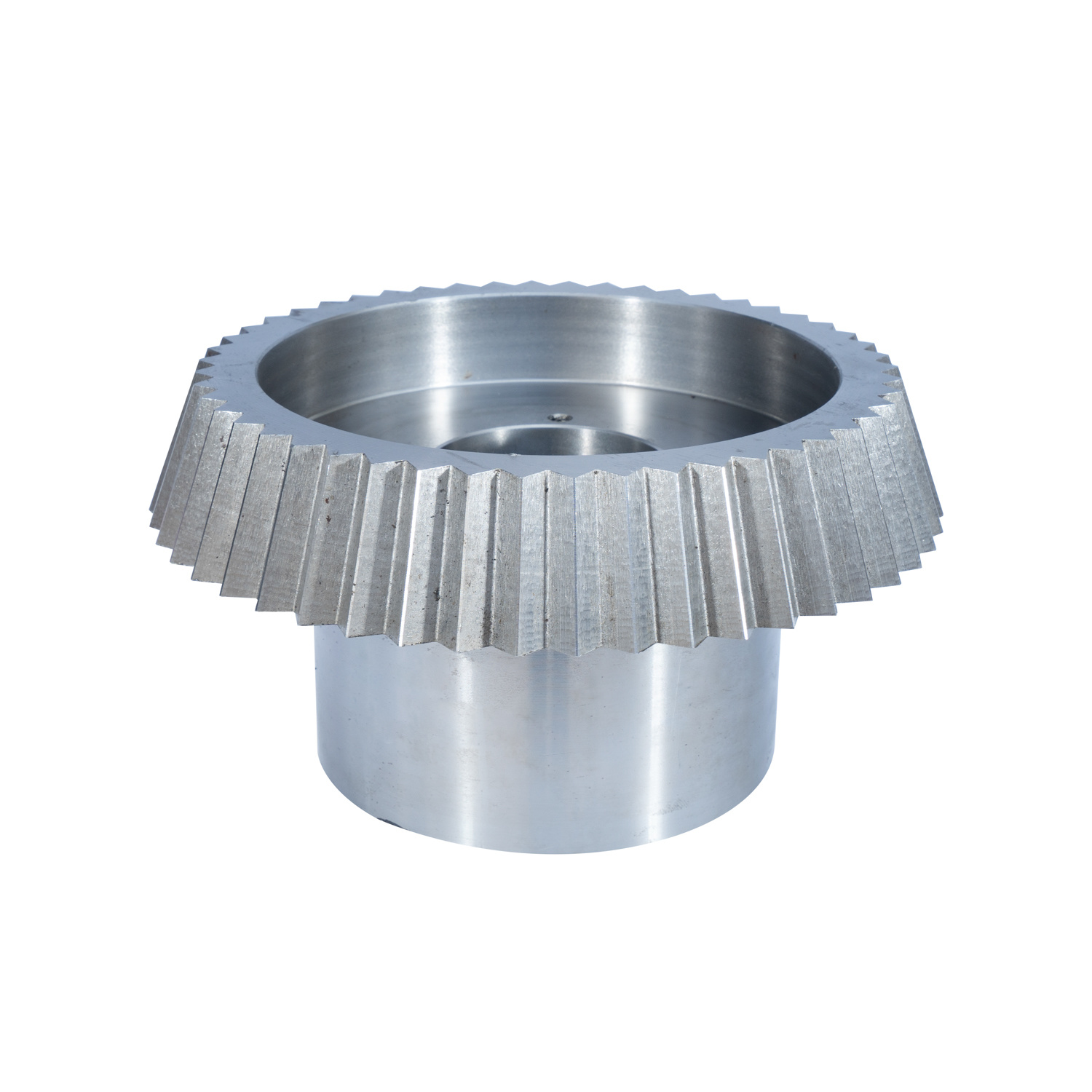
Mechanical transmission gears play a crucial role in the automotive and machinery industries, particularly within the drive systems where they facilitate the transfer of power from the engine to the wheels. Understanding the mechanics behind these gears is vital for professionals aiming to enhance vehicle performance and reliability.
At its core, a mechanical transmission gear functions by modifying the speed and torque generated by the engine. This adjustment is essential for optimizing the vehicle's performance across various driving conditions. The gear ratios determined by the size and arrangement of the gears influence how effectively power is transmitted. For instance, lower gears provide more torque for starting and climbing, while higher gears are designed for maintaining speeds on flat terrains.
The types of gears used in transmission systems, such as spur gears, helical gears, and bevel gears, each have distinct advantages and limitations. Spur gears, characterized by their straight teeth, are straightforward and efficient but can be noisy at high speeds. Helical gears, with their angled teeth, offer smoother operation and greater load capacity, making them ideal for high-performance applications. Bevel gears, conversely, are used to change the axis of rotation and are commonly found in differential systems.
Another critical aspect is the materials used in manufacturing these gears. Common materials include high-carbon steel, which provides excellent strength and durability, and composite materials that can reduce weight and enhance efficiency. The choice of material directly affects the gear's performance, lifespan, and resistance to wear and tear, significantly impacting the overall efficiency of the transmission system.
Maintenance and lubrication are also pivotal in ensuring the longevity and functionality of mechanical transmission gears. Proper lubrication minimizes friction and heat generation, which can lead to premature wear. Regular inspections can help identify issues such as misalignment or wear, allowing for timely interventions that prevent catastrophic failures.
In summary, mechanical transmission gears are integral to the performance of automotive drive systems. Their design, materials, and maintenance play a vital role in ensuring optimal power transfer and efficiency. For professionals in the automotive sector, a deep understanding of these components is essential for driving innovation and improving vehicle functionality. By focusing on the right gear selection and maintenance practices, industry experts can enhance vehicle performance and reliability, ensuring they meet the evolving demands of consumers and regulations.
At its core, a mechanical transmission gear functions by modifying the speed and torque generated by the engine. This adjustment is essential for optimizing the vehicle's performance across various driving conditions. The gear ratios determined by the size and arrangement of the gears influence how effectively power is transmitted. For instance, lower gears provide more torque for starting and climbing, while higher gears are designed for maintaining speeds on flat terrains.
The types of gears used in transmission systems, such as spur gears, helical gears, and bevel gears, each have distinct advantages and limitations. Spur gears, characterized by their straight teeth, are straightforward and efficient but can be noisy at high speeds. Helical gears, with their angled teeth, offer smoother operation and greater load capacity, making them ideal for high-performance applications. Bevel gears, conversely, are used to change the axis of rotation and are commonly found in differential systems.
Another critical aspect is the materials used in manufacturing these gears. Common materials include high-carbon steel, which provides excellent strength and durability, and composite materials that can reduce weight and enhance efficiency. The choice of material directly affects the gear's performance, lifespan, and resistance to wear and tear, significantly impacting the overall efficiency of the transmission system.
Maintenance and lubrication are also pivotal in ensuring the longevity and functionality of mechanical transmission gears. Proper lubrication minimizes friction and heat generation, which can lead to premature wear. Regular inspections can help identify issues such as misalignment or wear, allowing for timely interventions that prevent catastrophic failures.
In summary, mechanical transmission gears are integral to the performance of automotive drive systems. Their design, materials, and maintenance play a vital role in ensuring optimal power transfer and efficiency. For professionals in the automotive sector, a deep understanding of these components is essential for driving innovation and improving vehicle functionality. By focusing on the right gear selection and maintenance practices, industry experts can enhance vehicle performance and reliability, ensuring they meet the evolving demands of consumers and regulations.
TAG:
PREVIOUS:
Contact Us
E-mail :
001@shenma-sprocket.com
Phone/WhatsApp:
+86-15028709856
Address:
Military Camp Village, Shimen Qiao Town, Renqiu City, Cangzhou, Hebei, China
Contact Info
Export Manager: Mr. Shen
Military Camp Village, Shimen Qiao Town, Renqiu City, Cangzhou, Hebei, China


Quick Link
Home

About Us
Product
OEM
Blog
Service
Contact Us
Get a Quote