

-
About Us
-
-
-
Powder Metallurgy Gear Technology Advances Precision Manufacturing for Modern Industries
Sep 07,2026

Growing Demand for Powder Metallurgy Gears
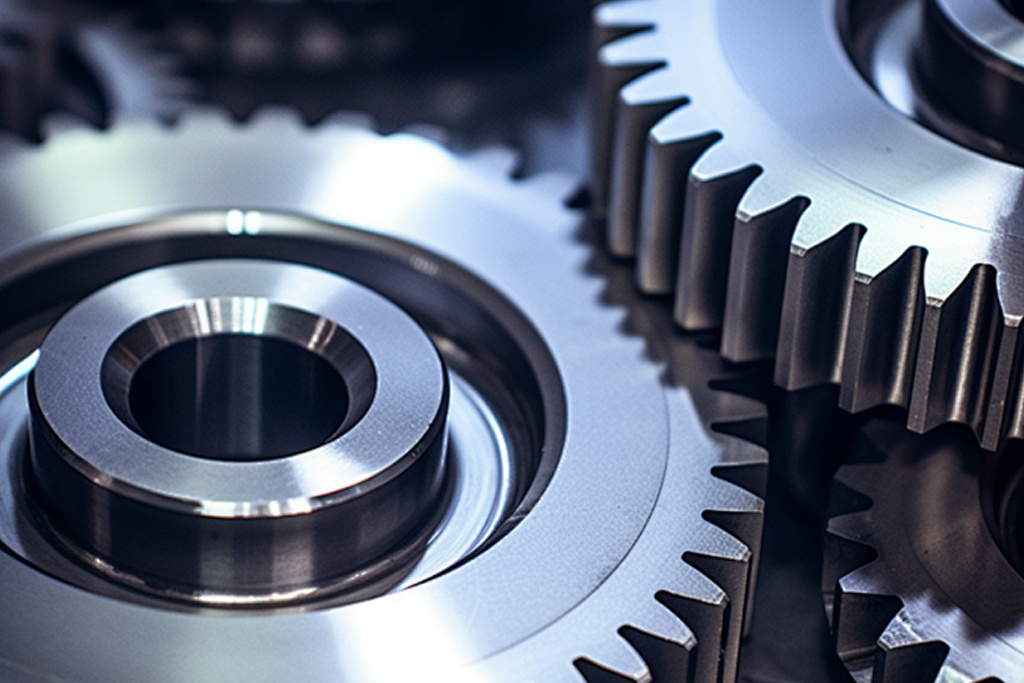
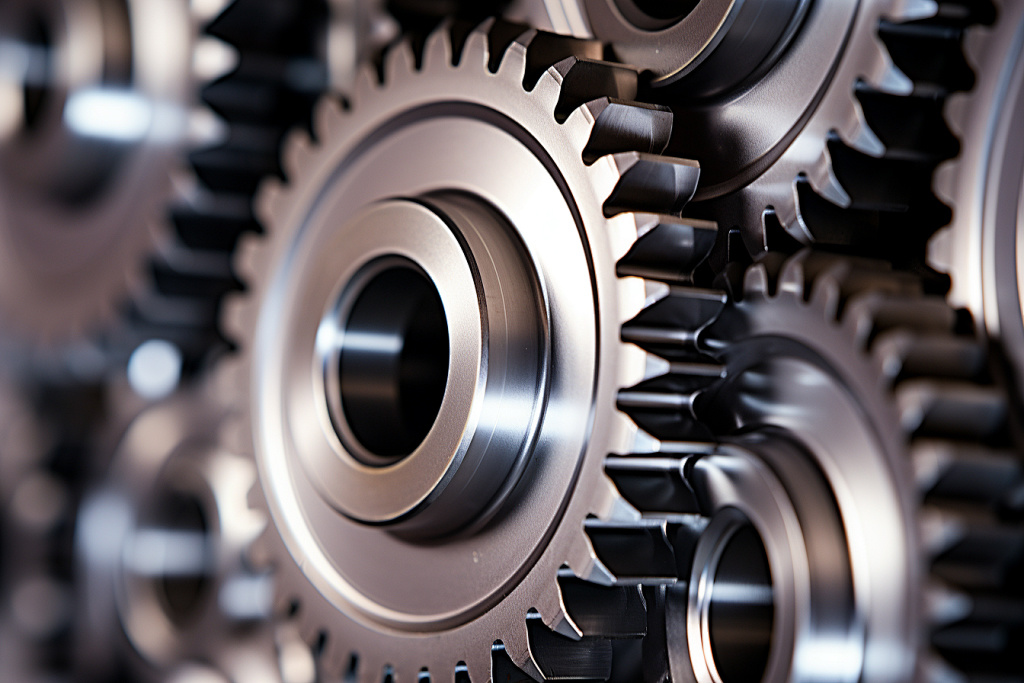
The powder metallurgy gear industry is gaining attention as manufacturers increasingly seek efficient, precise, and cost-effective solutions for mechanical power transmission. Powder metallurgy uses metal powders that are compacted into a designed shape and then sintered under controlled conditions. This near-net-shape manufacturing approach can reduce material waste and secondary machining while supporting consistent production for medium- and high-volume applications. Industry research identifies powder metallurgy as a suitable technology for producing gears with complex geometries, high repeatability, and tailored material properties.
Efficient Near-Net-Shape Manufacturing
One of the major advantages of powder metallurgy gears is the ability to form many features directly during compaction. Gear teeth, hubs, holes, bosses, splines, and other structural elements can potentially be integrated into a single component. This can reduce the number of machining operations required after sintering and improve material utilization. Compared with conventional gear manufacturing processes that rely heavily on cutting operations, powder metallurgy can provide an efficient production route for suitable applications.
High-Volume Production Advantages
Powder metallurgy is particularly attractive for applications requiring large production quantities. Once the appropriate tooling has been developed, repeated compaction and sintering can provide consistent dimensions and highly repeatable components. This makes powder metallurgy gears suitable for automotive mechanisms, household appliances, power tools, industrial equipment, and other products manufactured in substantial volumes. Manufacturers can optimize tooling and production parameters to maintain stable quality throughout large production runs.
Material Selection Supports Different Applications
Different gear applications require different combinations of strength, hardness, wear resistance, dimensional stability, and cost. Powder metallurgy provides flexibility in material selection because manufacturers can use iron-based powders and alloy systems designed for specific performance requirements. Material composition, density, sintering conditions, and subsequent treatments can all influence the final properties of a gear. This flexibility allows engineers to select a manufacturing route according to the actual load, speed, operating environment, and expected service life of the component.
Improved Gear Performance Through Secondary Processing
Although many powder metallurgy gears can achieve near-net shape after compaction and sintering, additional processing may be used when higher performance is required. Sizing can improve dimensional accuracy, while machining can be applied to bores, faces, or specific gear features. Surface densification and heat treatment can further improve tooth performance and mechanical properties. Research from SAE has demonstrated that selective tooth densification combined with rolling and heat treatment can help powder metallurgy gears meet demanding accuracy and durability requirements.
Applications in Automotive Systems
The automotive industry remains an important application area for powder metallurgy components. Gears can be used in seat adjustment mechanisms, window regulators, actuators, pumps, auxiliary drives, transmissions, and other vehicle systems. Modern automotive engineering increasingly emphasizes lightweight construction, power density, efficiency, and reduced manufacturing costs. Powder metallurgy provides designers with opportunities to optimize gear geometry and material properties according to the specific operating conditions of individual components.
Supporting Electric and Hybrid Vehicles
The development of electric and hybrid vehicles is also creating new opportunities for precision gears. Electric drive systems and auxiliary mechanisms require compact components capable of transmitting torque efficiently while maintaining reliability and controlling noise. Research into powder metallurgy gears has identified lightweight design, optimized geometry, and improved material performance as potential advantages for modern drivetrain applications. As vehicle architectures continue to evolve, manufacturers are evaluating different gear production technologies according to load requirements and production volumes.
Industrial and Power Tool Applications
Beyond automotive applications, powder metallurgy gears are used in many industrial products. Power tools, gearmotors, appliances, pumps, actuators, material-handling equipment, and industrial machinery can all require compact precision gears. Their ability to integrate multiple features into one component can simplify assembly and reduce the number of individual parts in a mechanism. In power tools, for example, gears must provide reliable torque transmission while resisting wear during repeated operation. Powder metallurgy can offer a practical manufacturing option for suitable gear designs.
Noise and Lubrication Considerations
Gear noise and lubrication are important considerations in many mechanical systems. The controlled porosity associated with conventional powder metallurgy materials can provide certain functional benefits, including the potential for oil impregnation in appropriate components. Research and industrial experience have also explored powder metallurgy gear designs for improved noise and vibration performance. However, the final characteristics depend on material selection, density distribution, tooth geometry, surface condition, lubrication, operating speed, and application requirements.
Precision and Quality Control
Quality control is essential throughout powder metallurgy gear production. Powder characteristics, mixing, die filling, compaction pressure, green density, sintering temperature, atmosphere, cooling conditions, and post-processing all influence the final component. Gear manufacturers must control tooth dimensions, runout, hardness, density, surface condition, and other relevant parameters according to the application. Advanced production and inspection technologies can help maintain repeatability and identify dimensional or material variations before components enter final assembly.
Customized Gear Solutions
Customization is another important advantage of powder metallurgy manufacturing. Manufacturers can develop gears according to customer requirements for outside diameter, bore diameter, number of teeth, module, pressure angle, tooth profile, material, density, hardness, surface treatment, and other specifications. Custom gear solutions are particularly valuable for OEM manufacturers and equipment companies that require components designed around a specific transmission system. By optimizing the geometry for powder compaction, manufacturers can potentially combine several functions into one component and reduce assembly complexity.
Reducing Material Waste
Material efficiency is one of the key reasons why powder metallurgy continues to attract attention. Conventional machining removes material from larger blanks, generating chips and requiring additional cutting operations. Powder metallurgy forms components close to their final geometry, which can significantly reduce unnecessary material removal. Research on powder metallurgy gear manufacturing has highlighted high material utilization and reduced machining requirements as important advantages of the process.
Balancing Performance and Cost
For gear manufacturers, performance and production cost must be considered together. Powder metallurgy can become particularly competitive when gears are produced in medium or high volumes and the geometry is well suited to compaction. Tooling investment must be considered during the development stage, but the ability to produce large numbers of repeatable components can provide significant advantages during mass production. Careful engineering is therefore necessary to determine whether powder metallurgy is the most appropriate process for a specific gear application.
Future Development of Powder Metallurgy Gears
The development of higher-performance materials, improved compaction technologies, advanced sintering processes, selective densification, heat treatment, and precision finishing is expanding the potential applications of powder metallurgy gears. Research continues to address strength, fatigue performance, dimensional accuracy, noise, and vibration characteristics. These developments are helping powder metallurgy move beyond simple low-load components toward increasingly demanding mechanical applications.
A Reliable Choice for Modern Power Transmission
As industries continue to demand lightweight, precise, efficient, and cost-effective mechanical components, powder metallurgy provides an increasingly valuable manufacturing route for gear production. With near-net-shape forming, high material utilization, flexible material selection, customized geometry, and efficient high-volume production, powder metallurgy gears can support a wide range of automotive, industrial, power tool, appliance, and mechanical applications. Continued advances in materials and processing technology are expected to further improve gear performance and expand the role of powder metallurgy in modern power transmission systems.

Contact Us
E-mail :
001@shenma-sprocket.com
Phone/WhatsApp:
+86-15028709856
Address:
Military Camp Village, Shimen Qiao Town, Renqiu City, Cangzhou, Hebei, China
Contact Info
Export Manager: Mr. Shen
Military Camp Village, Shimen Qiao Town, Renqiu City, Cangzhou, Hebei, China


Quick Link
Home

About Us
Product
OEM
Blog
Service
Contact Us
Get a Quote