

The Evolution of Mechanical Transmission Gears in Automotive Technology
Sep 09,2026

The Evolution of Mechanical Transmission Gears in Automotive Technology
Table of Contents
- 1. Introduction to Mechanical Transmission Gears
- 2. A Historical Overview of Automotive Gears
- 3. Types of Mechanical Transmission Gears
- 3.1 Manual Transmission Gears
- 3.2 Automatic Transmission Gears
- 3.3 Continuously Variable Transmissions (CVTs)
- 3.4 Dual-Clutch Transmissions (DCTs)
- 4. The Mechanics of Gears in Vehicles
- 5. Recent Advancements in Gear Technology
- 6. The Future of Mechanical Transmission Gears
- 7. The Impact of Gears on Automotive Efficiency
- 8. Conclusion
1. Introduction to Mechanical Transmission Gears
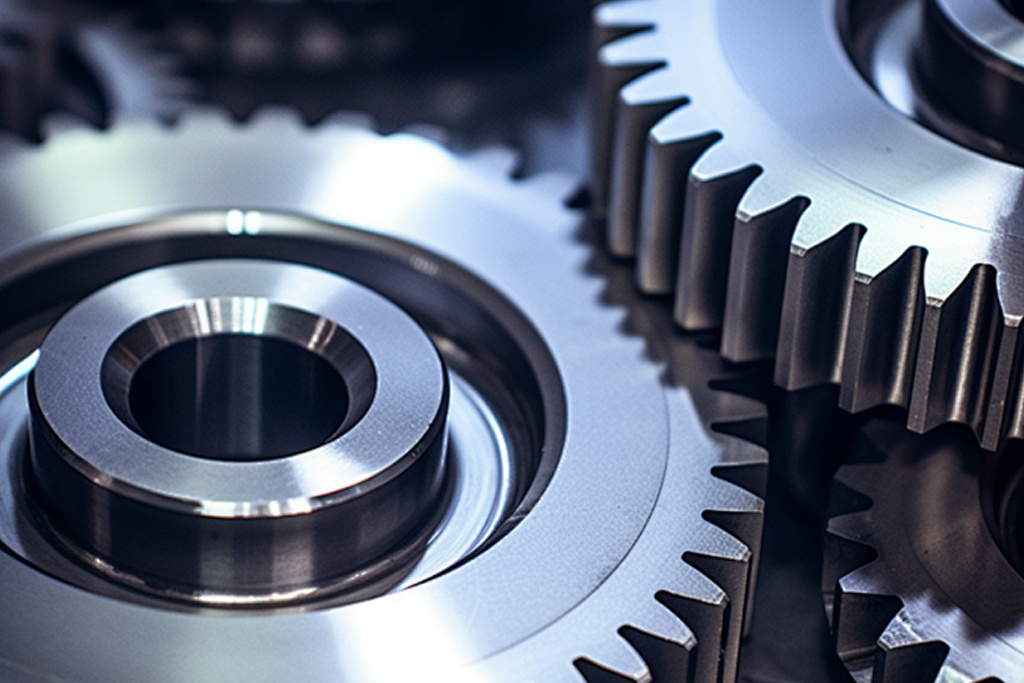
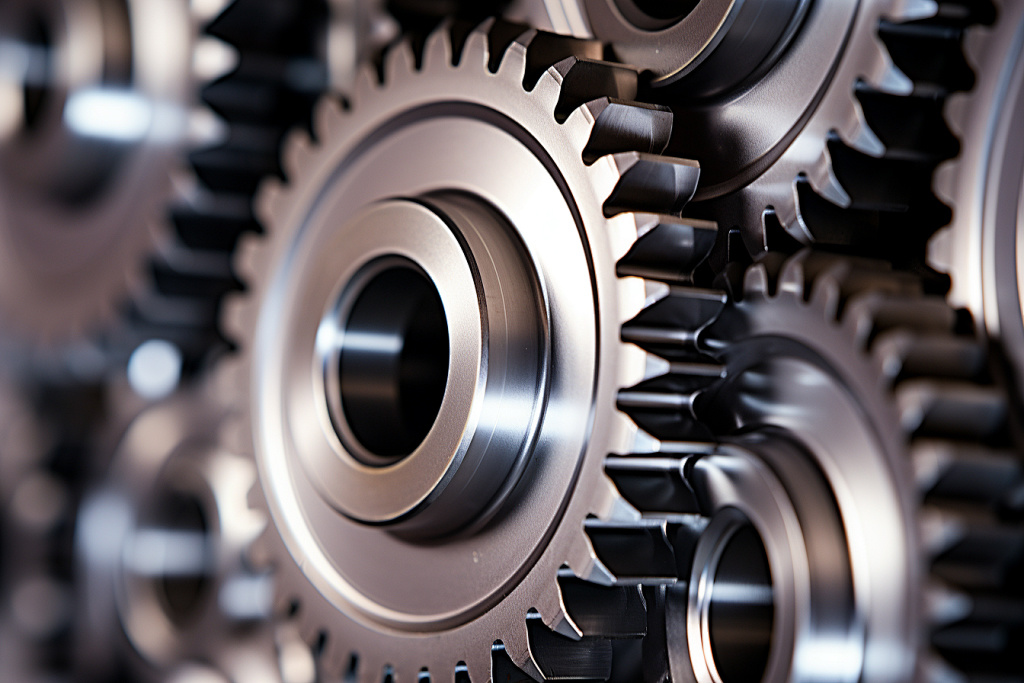
Mechanical transmission gears are fundamental components in automotive vehicles that facilitate the transfer of power from the engine to the wheels, ensuring optimal performance and efficiency. Understanding the evolution of these gears offers insight into how automotive technology has progressed over the decades. This article explores the intricate history, types, mechanics, advancements, and future of mechanical transmission gears, shedding light on their significance in modern vehicles.
2. A Historical Overview of Automotive Gears
The history of mechanical transmission gears dates back to the late 19th century with the invention of the first gasoline-powered vehicles. Initially, these vehicles used simple gear systems derived from earlier mechanical designs. The introduction of the **manual transmission** system in the early 1900s allowed drivers to control their vehicle’s power more effectively. This innovative approach not only improved vehicle control but also enhanced performance on varying terrains.
As automotive technology advanced, gear systems evolved rapidly. The mid-20th century saw the introduction of the **automatic transmission**, which simplified the driving experience by eliminating the need for manual gear shifting. This transition marked a significant turning point in the automotive industry, leading to increased accessibility and comfort for drivers.
3. Types of Mechanical Transmission Gears
Understanding the different types of mechanical transmission gears is crucial for comprehending their evolution and functionality. In this section, we will explore four primary types of transmission gears utilized in modern vehicles.
3.1 Manual Transmission Gears
Manual transmission gears, often referred to as **stick shifts**, are operated by the driver through a system of pedals and a gear lever. This type of transmission allows for direct control over gear selection, providing a more engaging driving experience. Manual transmissions typically feature a **gearbox** with several gears, enabling drivers to shift according to the vehicle's speed and power requirements.
Despite the rise of automatic systems, manual transmissions remain popular among enthusiasts due to their connection to the driving experience and perceived control over the vehicle's performance.
3.2 Automatic Transmission Gears
Automatic transmission gears use a complex system of hydraulics and electronics to shift gears automatically based on the vehicle's speed, load, and throttle position. This technology enhances convenience, particularly in urban environments where stop-and-go traffic is prevalent.
The development of the **torque converter** significantly improved automatic transmission efficiency by allowing the engine to remain running while the vehicle is stationary. Modern automatic transmissions can have anywhere from four to ten gears, optimizing performance and fuel efficiency.
3.3 Continuously Variable Transmissions (CVTs)
Continuously Variable Transmissions (CVTs) represent a significant innovation in automotive technology. Unlike traditional gear systems, CVTs offer a seamless transition between gear ratios, allowing for smooth acceleration without the distinct shift points associated with manual or automatic transmissions.
CVTs utilize a set of pulleys and a belt system that can change diameter, providing an infinite range of gear ratios. This technology maximizes engine efficiency and is becoming increasingly popular in hybrid and electric vehicles.
3.4 Dual-Clutch Transmissions (DCTs)
Dual-Clutch Transmissions combine the best features of manual and automatic transmissions. DCTs use two separate clutches for odd and even gear sets, allowing for quick, seamless shifts without interrupting engine power. This technology enhances vehicle performance, particularly in high-performance vehicles, and offers a sportier driving experience.
The growing popularity of DCTs reflects the demand for faster gear changes and improved fuel efficiency, making them a staple in modern automotive design.
4. The Mechanics of Gears in Vehicles
The mechanics of mechanical transmission gears involve intricate engineering that ensures power transfer is both efficient and effective. At the heart of any gear system lies the **gear ratio**, which determines how often the output shaft turns in relation to the input shaft.
A higher gear ratio allows for more torque to be delivered, which is beneficial for acceleration, while a lower gear ratio provides better fuel efficiency during steady cruising. Understanding these principles is critical in optimizing vehicle performance, especially as automotive designs continue to evolve.
5. Recent Advancements in Gear Technology
Technological advancements have spurred significant improvements in the design and functionality of mechanical transmission gears. Innovations such as **electronic control systems** enable more precise gear shifting, enhancing overall vehicle responsiveness.
Moreover, advancements in materials and manufacturing processes have led to the development of lighter, stronger gears capable of withstanding higher loads. The integration of **smart technology** in gear systems also allows for real-time adjustments based on driving conditions, further optimizing performance and efficiency.
6. The Future of Mechanical Transmission Gears
Looking ahead, the future of mechanical transmission gears in the automotive industry holds exciting potential. As electric and hybrid vehicles gain traction, traditional gear systems may evolve to accommodate new powertrains. The focus will likely shift toward achieving greater efficiency and sustainability.
Innovations such as **gearless transmissions** and advanced **robotic gear systems** are already being explored, aiming to reduce mechanical complexity while improving performance. The integration of artificial intelligence in gear systems could revolutionize how vehicles respond to driver inputs and environmental conditions.
7. The Impact of Gears on Automotive Efficiency
Mechanical transmission gears significantly influence the overall efficiency of a vehicle. The choice of transmission type can impact fuel consumption, acceleration, and overall driving dynamics. For instance, vehicles equipped with CVTs often achieve better fuel economy due to their ability to maintain optimal engine RPMs.
As automakers strive to meet stringent emissions regulations, the efficiency of transmission systems will play a crucial role in reducing environmental impact. Continuous advancements in gear technology will be essential in developing vehicles that are not only high-performing but also eco-friendly.
8. Conclusion
The evolution of mechanical transmission gears in automotive technology is a testament to human ingenuity and engineering excellence. From the early days of manual transmissions to the sophisticated systems of today, these gears have undergone significant transformations that have enhanced vehicle performance, efficiency, and driver experience. As we look to the future, ongoing innovations promise to further revolutionize the automotive landscape, ensuring that mechanical transmission gears continue to be a vital component in the journey of automotive advancement.
FAQs
1. What are the main types of transmission systems in vehicles?
The main types include manual transmissions, automatic transmissions, continuously variable transmissions (CVTs), and dual-clutch transmissions (DCTs).
2. How does a manual transmission work?
A manual transmission requires the driver to operate a gear lever and clutch pedal to select gears manually, providing greater control over the vehicle's power.
3. What advantages do automatic transmissions offer?
Automatic transmissions simplify driving by automatically shifting gears based on speed and load, enhancing convenience and comfort.
4. What are the benefits of continuously variable transmissions (CVTs)?
CVTs provide seamless acceleration without distinct shift points, optimizing engine efficiency and fuel economy.
5. How do advancements in gear technology impact automotive performance?
Recent advancements lead to lighter and stronger gears, electronic control systems, and smart technology integration, all of which enhance vehicle responsiveness and efficiency.
TAG:
PREVIOUS:
Contact Us
E-mail :
001@shenma-sprocket.com
Phone/WhatsApp:
+86-15028709856
Address:
Military Camp Village, Shimen Qiao Town, Renqiu City, Cangzhou, Hebei, China
Contact Info
Export Manager: Mr. Shen
Military Camp Village, Shimen Qiao Town, Renqiu City, Cangzhou, Hebei, China


Quick Link
Home

About Us
Product
OEM
Blog
Service
Contact Us
Get a Quote