

Gear Wheel: A Key Component for Efficient Mechanical Power Transmission
Jul 09,2026

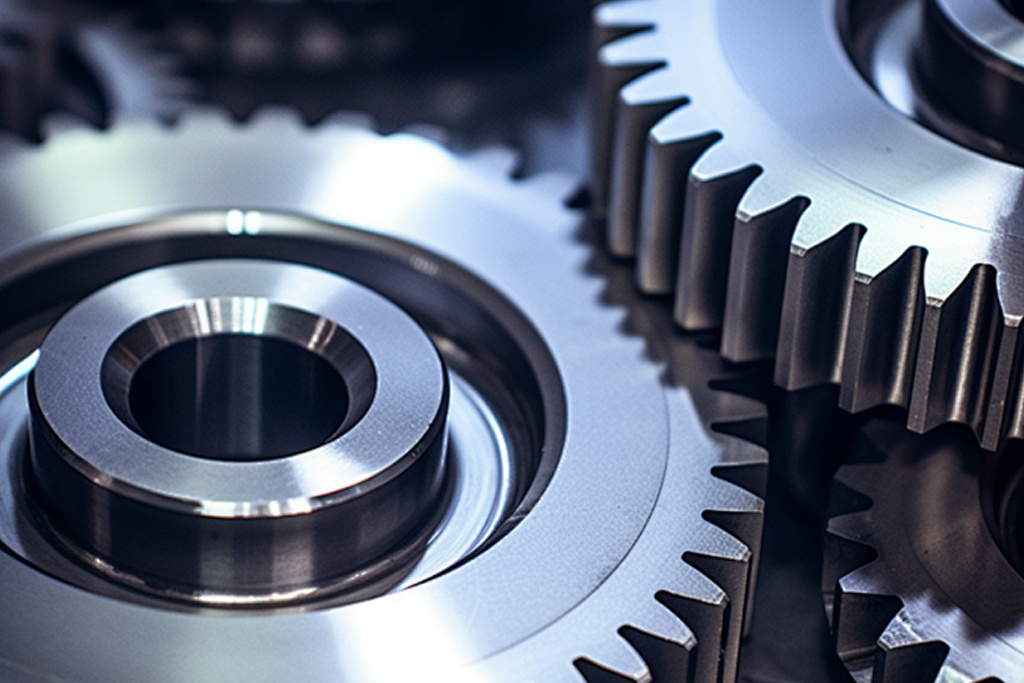
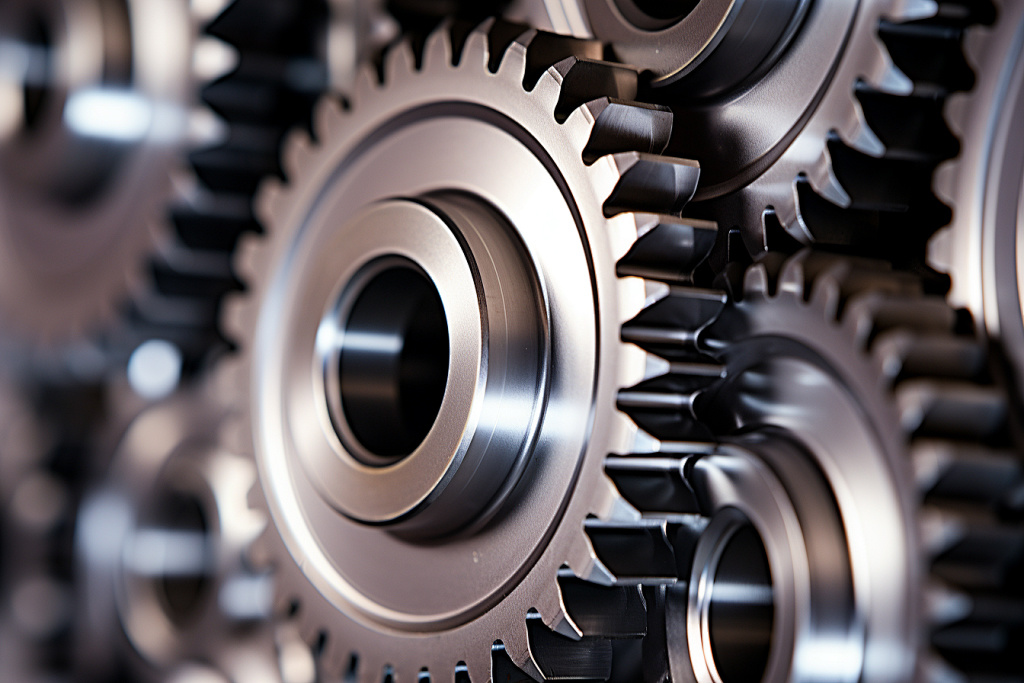
Gear wheel is one of the most important mechanical components used in modern machinery and engineering systems. Designed to transfer power, control motion, and improve mechanical efficiency, gear wheels are widely applied in automotive equipment, industrial machines, manufacturing systems, robotics, and various mechanical devices. With their precise structure, strong durability, and reliable performance, gear wheels play an essential role in ensuring smooth and stable operation across many industries.
A gear wheel consists of a circular body with specially designed teeth around its outer edge. These teeth engage with other gears to transmit rotational movement and torque from one component to another. By changing speed, direction, and force, gear wheels allow machines to perform complex operations efficiently. Their ability to provide accurate motion control makes them a fundamental part of mechanical transmission systems.
One of the main advantages of gear wheels is their excellent power transmission capability. Compared with other transmission methods, gear systems can transfer large amounts of power with high efficiency and minimal energy loss. This makes gear wheels suitable for applications that require precise control and continuous operation. From small precision instruments to heavy industrial machinery, gear wheels provide dependable performance under various working conditions.
Durability is another important feature of high-quality gear wheels. Because they often operate under heavy loads, high speeds, and continuous friction, gear wheels must be manufactured from strong and wear-resistant materials. Common materials include steel, stainless steel, alloy metals, and specially treated materials designed to improve hardness and service life. Proper heat treatment and surface finishing can further enhance their strength and resistance to wear.
Gear wheels are available in many different types and designs to meet specific mechanical requirements. Spur gears are among the most common types and are widely used for simple power transmission applications. Helical gears feature angled teeth that provide smoother and quieter operation, making them suitable for high-speed machinery. Bevel gears are designed to transmit motion between intersecting shafts, while worm gears are often used when high reduction ratios are needed.
In the automotive industry, gear wheels are essential components in transmission systems. They help vehicles control speed, increase torque, and achieve efficient power delivery from the engine to the wheels. The performance and quality of gear wheels directly affect vehicle reliability, fuel efficiency, and driving experience. Modern automotive systems rely on precisely manufactured gears to ensure smooth shifting and stable operation.
Industrial machinery also depends heavily on gear wheels for efficient operation. Manufacturing equipment, conveyors, construction machinery, and automated production systems often use gear mechanisms to control movement and transfer power. High-performance gear wheels help improve productivity, reduce downtime, and maintain consistent machine performance in demanding industrial environments.
The manufacturing process of gear wheels requires advanced technology and strict quality control. Production typically involves machining, cutting, shaping, heat treatment, grinding, and surface inspection. Precision manufacturing ensures that gear teeth have accurate dimensions and proper alignment, which helps reduce vibration, noise, and mechanical wear during operation.
Choosing the right gear wheel requires consideration of several factors, including application requirements, load capacity, operating speed, material selection, and environmental conditions. A properly selected gear wheel can improve system efficiency and extend equipment service life. Engineers must evaluate these factors carefully to ensure the gear system performs safely and effectively.
Maintenance is also important for maximizing the lifespan of gear wheels. Regular lubrication helps reduce friction and prevent excessive wear between gear teeth. Inspection of tooth surfaces, alignment, and operating conditions can help identify potential problems before they lead to equipment failure. Proper maintenance practices contribute to safer operation and lower repair costs.
With the development of modern technology, gear wheels continue to improve in design, materials, and manufacturing methods. Advanced production techniques allow manufacturers to create lighter, stronger, and more efficient gear components. Innovations in automation, robotics, and electric vehicle technology are also increasing the demand for high-precision gear wheels.
Gear wheels are not only mechanical parts but also critical elements that support modern industrial development. Their ability to provide accurate movement, efficient power transfer, and long-term reliability makes them indispensable in many applications. From transportation and manufacturing to advanced technology systems, gear wheels continue to contribute to improved performance and innovation.
In conclusion, gear wheel is a vital component that enables efficient mechanical operation across numerous industries. Its strength, precision, durability, and versatility make it suitable for a wide range of applications. As engineering technology continues to advance, high-quality gear wheels will remain an important solution for achieving reliable power transmission and improved machine performance.
Contact Us
E-mail :
001@shenma-sprocket.com
Phone/WhatsApp:
+86-15028709856
Address:
Military Camp Village, Shimen Qiao Town, Renqiu City, Cangzhou, Hebei, China
Contact Info
Export Manager: Mr. Shen
Military Camp Village, Shimen Qiao Town, Renqiu City, Cangzhou, Hebei, China


Quick Link
Home

About Us
Product
OEM
Blog
Service
Contact Us
Get a Quote