

Mechanical Transmission Gears: Essential Components for a Smooth Driving Experience
Jul 11,2026

Mechanical Transmission Gears: Essential Components for a Smooth Driving Experience
In the world of automotive engineering, **mechanical transmission gears** play a crucial role in enabling the smooth operation of vehicles. These intricate components are responsible for transferring power from the engine to the wheels, ensuring that drivers enjoy a seamless and efficient driving experience. In this article, we will explore the various types of mechanical transmission gears, their functions, benefits, maintenance tips, and their impact on overall vehicle performance.
Table of Contents
1. What Are Mechanical Transmission Gears?
2. Types of Mechanical Transmission Gears
- 2.1 Gearbox Types
- 2.2 Common Gear Materials
3. The Function of Mechanical Transmission Gears
4. Benefits of High-Quality Mechanical Transmission Gears
5. Maintenance Tips for Transmission Gears
6. Common Issues with Transmission Gears and Their Solutions
7. The Future of Mechanical Transmissions
8. Frequently Asked Questions
9. Conclusion
What Are Mechanical Transmission Gears?
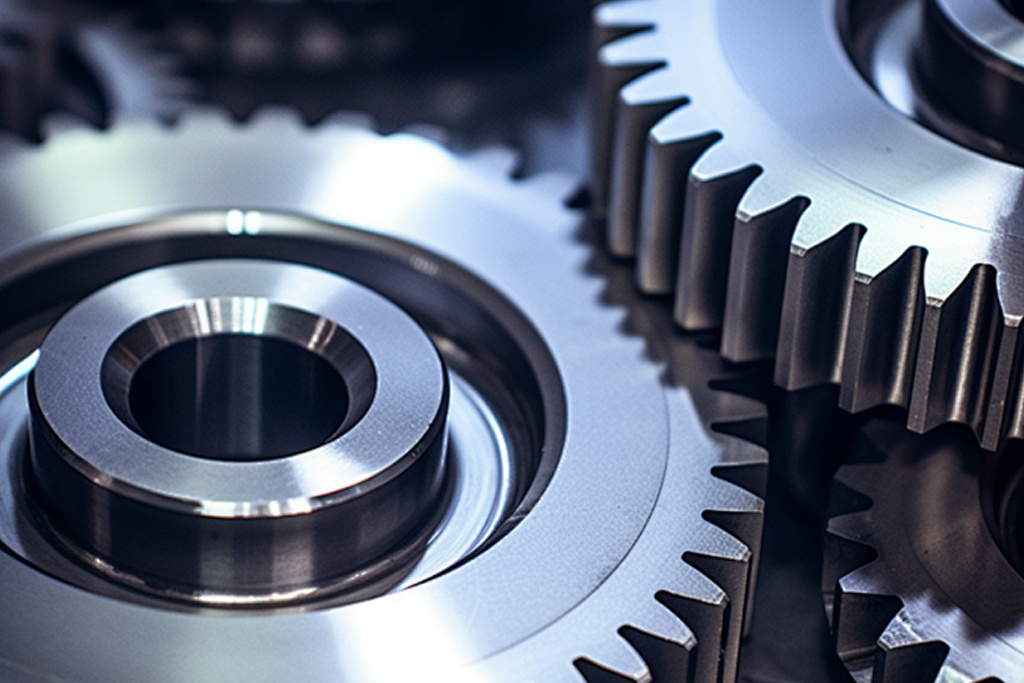
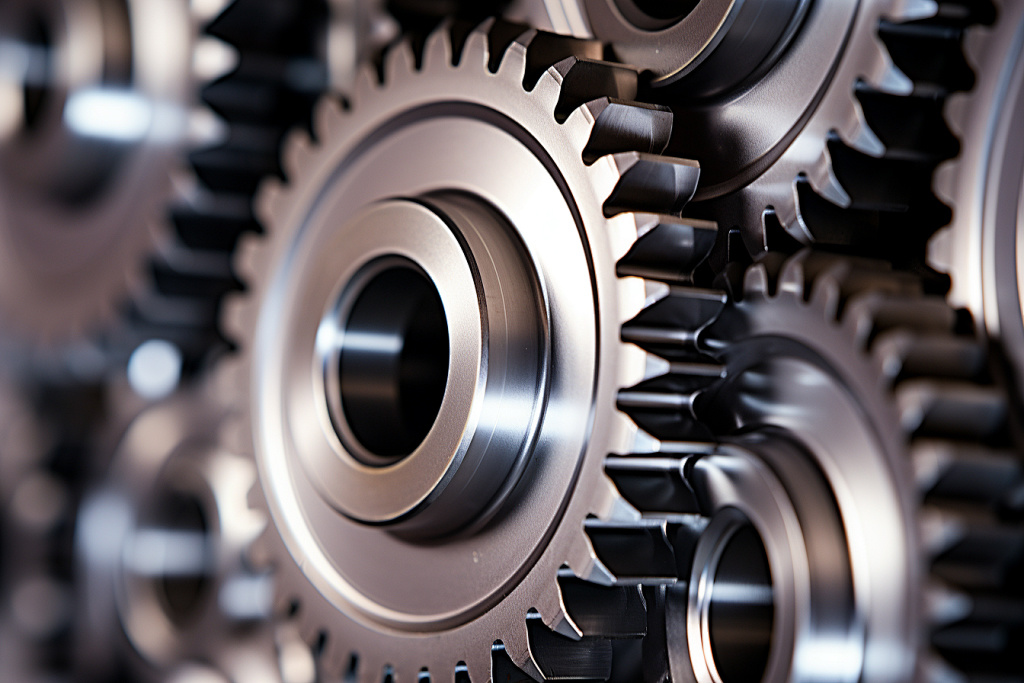
Mechanical transmission gears are mechanical devices that consist of toothed wheels that mesh together to transfer motion and torque. These gears are essential in various mechanical systems, including **automobiles**, **motorcycles**, and **industrial machinery**. Their primary function is to change the speed and torque of the engine's output, allowing vehicles to operate efficiently under various driving conditions.
Types of Mechanical Transmission Gears
Understanding the different types of mechanical transmission gears is crucial for recognizing their functions and applications. Here are the most common types:
Gearbox Types
1. **Manual Transmission**: Offers direct control over gear selection, providing drivers with the ability to manually shift gears as needed.
2. **Automatic Transmission**: Uses hydraulic systems to automatically change gears, making driving easier and more convenient.
3. **Continuously Variable Transmission (CVT)**: Provides an infinite number of gear ratios, optimizing engine performance and fuel efficiency.
4. **Dual-Clutch Transmission (DCT)**: Combines the best of manual and automatic systems, allowing for rapid gear changes without a loss of power.
Common Gear Materials
Mechanical transmission gears are typically made from various materials, depending on their intended use, including:
- **Steel**: Known for its strength and durability, steel gears are common in high-performance applications.
- **Aluminum**: Lightweight and resistant to corrosion, aluminum gears are often used in applications where weight savings are essential.
- **Plastic**: Used in low-load applications, plastic gears are lightweight and cost-effective.
The Function of Mechanical Transmission Gears
The primary function of mechanical transmission gears is to transfer power efficiently from the engine to the wheels. By altering the gear ratio, these gears enable the vehicle to adapt to different speeds and load conditions. For instance, during acceleration, lower gears provide higher torque, allowing the vehicle to gain speed rapidly. Conversely, higher gears are used for cruising at higher speeds, optimizing fuel efficiency.
Additionally, transmission gears help in:
- **Reducing Engine Load**: By allowing the engine to operate within its optimal RPM range.
- **Enhancing Vehicle Control**: Providing smoother acceleration and deceleration, which improves handling and driving comfort.
Benefits of High-Quality Mechanical Transmission Gears
Investing in high-quality mechanical transmission gears results in several benefits:
1. **Improved Performance**: High-quality gears ensure that power is transmitted efficiently, enhancing the vehicle's overall performance.
2. **Increased Longevity**: Durable materials and precise manufacturing lead to gears that withstand wear and tear, prolonging their lifespan.
3. **Enhanced Fuel Efficiency**: Well-designed gears optimize engine performance, resulting in better fuel economy.
4. **Reduced Noise and Vibration**: High-quality gears reduce operational noise and vibrations, leading to a more pleasant driving experience.
5. **Better Reliability**: Quality gears decrease the likelihood of transmission failures, increasing driver confidence.
Maintenance Tips for Transmission Gears
To ensure that mechanical transmission gears function optimally, regular maintenance is essential. Here are some effective tips:
1. **Regular Fluid Checks**: Maintain proper transmission fluid levels, as low fluid can lead to gear slippage and overheating.
2. **Scheduled Fluid Changes**: Follow the manufacturer’s recommendations for fluid changes to keep the transmission clean and efficient.
3. **Inspect for Leaks**: Regularly check for fluid leaks under the vehicle to prevent low fluid levels.
4. **Monitor Performance**: Pay attention to any unusual noises or changes in shifting behavior, as these can indicate potential problems.
5. **Professional Inspections**: Schedule periodic inspections with a qualified technician to identify and address issues before they escalate.
Common Issues with Transmission Gears and Their Solutions
While mechanical transmission gears are designed to last, issues can arise. Here are some common problems and their solutions:
1. **Slipping Gears**: Often caused by low fluid levels or worn gears. Solution: Check fluid levels and replace worn components.
2. **Delayed Shifting**: This can occur due to a malfunctioning transmission control module. Solution: Consult a professional to diagnose and repair the control module.
3. **Unusual Noises**: Grinding or whining noises can indicate gear wear or a lack of lubrication. Solution: Check for low fluid levels and consider a fluid change.
4. **Overheating**: Caused by low fluid or excessive load. Solution: Ensure proper fluid levels and monitor load capacity to avoid overheating.
The Future of Mechanical Transmissions
The automotive industry is evolving rapidly, with advancements in technology influencing mechanical transmission designs. Electric and hybrid vehicles are emerging, leading to innovations such as:
- **Smart Transmissions**: Incorporating AI and machine learning to optimize gear shifting based on driving patterns and conditions.
- **Integrated Drive Systems**: Combining electric motors and traditional transmissions for improved performance and efficiency.
- **Sustainable Materials**: Development of eco-friendly materials for gears aimed at reducing the environmental impact of manufacturing.
As we move forward, mechanical transmission gears will continue to adapt, ensuring that they remain pivotal in enhancing the driving experience.
Frequently Asked Questions
1. **What is the lifespan of mechanical transmission gears?**
- The lifespan can vary significantly based on the quality of the gears, driving habits, and maintenance. Generally, well-maintained gears can last over 100,000 miles.
2. **How can I tell if my transmission gears are failing?**
- Signs include slipping gears, delayed shifting, unusual noises, and overheating. If you experience any of these, consult a professional mechanic.
3. **Can I replace transmission gears myself?**
- While minor repairs can be done by experienced DIYers, replacing gears often requires specialized tools and knowledge. It is best left to professionals.
4. **What type of transmission fluid should I use?**
- Always refer to your vehicle’s owner manual for the recommended type of transmission fluid, as using the wrong type can lead to severe damage.
5. **How often should I have my transmission serviced?**
- It is advisable to have your transmission checked and serviced every 30,000 to 60,000 miles, but refer to your manufacturer's recommendations.
Conclusion
In summary, **mechanical transmission gears** are vital components that ensure a smooth and efficient driving experience. Understanding the different types of gears, their functions, benefits, and maintenance practices can enhance vehicle performance and longevity. By investing in quality gears and adhering to maintenance recommendations, drivers can enjoy a seamless and reliable driving experience. As technology continues to evolve, the future of mechanical transmissions promises exciting innovations that will further enhance our driving capabilities.
TAG:
Contact Us
E-mail :
001@shenma-sprocket.com
Phone/WhatsApp:
+86-15028709856
Address:
Military Camp Village, Shimen Qiao Town, Renqiu City, Cangzhou, Hebei, China
Contact Info
Export Manager: Mr. Shen
Military Camp Village, Shimen Qiao Town, Renqiu City, Cangzhou, Hebei, China


Quick Link
Home

About Us
Product
OEM
Blog
Service
Contact Us
Get a Quote