

Understanding Mechanical Transmission Gears: Essential Insights for Automotive and Motorcycle Components
Feb 21,2026

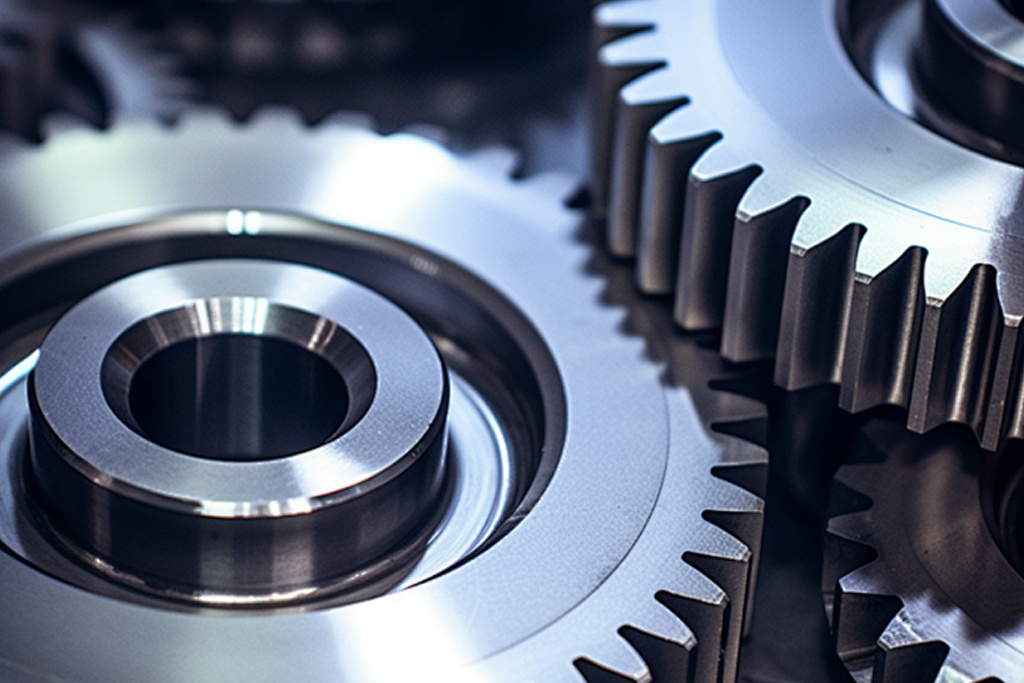
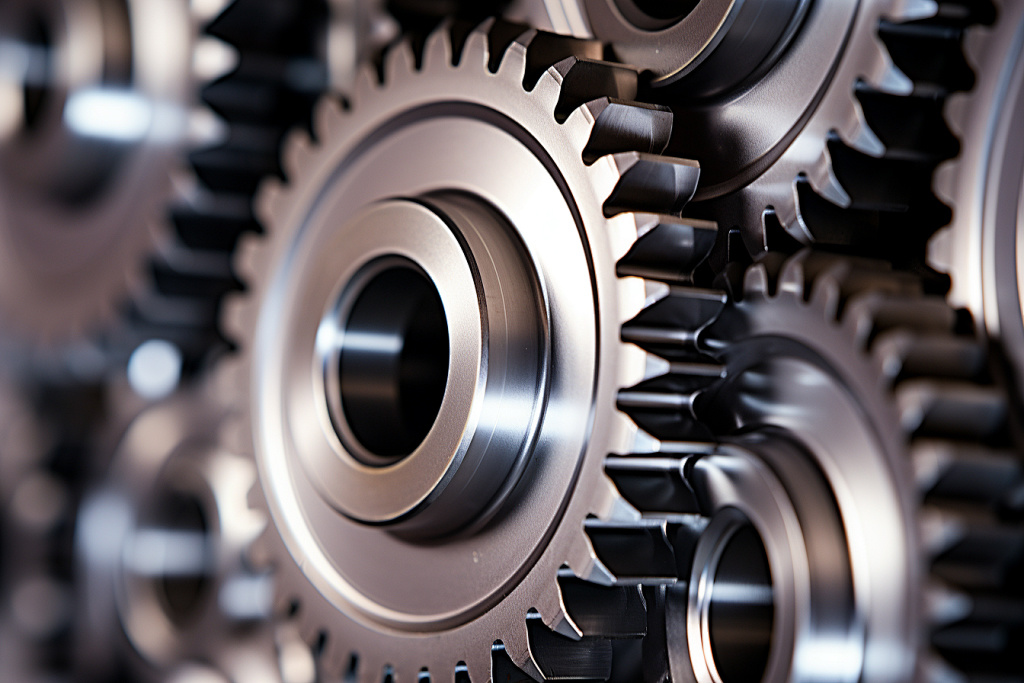
Mechanical transmission gears are fundamental components in the automotive and motorcycle industries, serving as the backbone of vehicle performance and efficiency. These gears transmit power from the engine to the wheels, enabling smooth acceleration and deceleration. Understanding the intricacies of mechanical transmission gears can significantly impact the functionality and longevity of vehicles, making it essential knowledge for manufacturers, mechanics, and enthusiasts alike.
There are various types of mechanical transmission gears, each designed to serve specific functions. The most common types include spur gears, helical gears, bevel gears, and worm gears. Spur gears are known for their simplicity and efficiency, making them ideal for a wide range of applications. Helical gears, on the other hand, offer smoother operation and are often used in situations where noise reduction is crucial. Bevel gears are utilized when the direction of the shaft's rotation needs to change, while worm gears provide high torque in a compact design, suitable for applications requiring a significant reduction in speed.
Proper maintenance of mechanical transmission gears is vital to ensure optimal performance. Regular inspections can help identify signs of wear, such as unusual noises or vibrations, which may indicate that the gears require lubrication or replacement. It's essential to keep the gears clean and well-lubricated to reduce friction and prevent overheating. Using the appropriate type of lubricant is crucial, as different gears may require specific oils or greases to function effectively.
Additionally, understanding the load and torque specifications of the gears is important. Overloading gears can lead to premature failure, resulting in costly repairs and downtime. Hence, it’s essential to match the transmission gear selection with the vehicle's engine output and intended use.
Another key factor in the performance of mechanical transmission gears is the precision of their manufacturing. High-quality gears manufactured with strict tolerances will perform better and last longer than inferior products. Therefore, when selecting gears, it’s important to consider not just the type, but also the quality and compatibility with the overall transmission system.
In conclusion, mechanical transmission gears play an indispensable role in the functioning of automotive and motorcycle transmission systems. By understanding the various types of gears, their maintenance needs, and the importance of quality, stakeholders in the industry can enhance vehicle reliability and performance. Whether you are a manufacturer, mechanic, or a passionate vehicle owner, gaining insights into mechanical transmission gears can help you make informed decisions that benefit your automotive or motorcycle endeavors.
There are various types of mechanical transmission gears, each designed to serve specific functions. The most common types include spur gears, helical gears, bevel gears, and worm gears. Spur gears are known for their simplicity and efficiency, making them ideal for a wide range of applications. Helical gears, on the other hand, offer smoother operation and are often used in situations where noise reduction is crucial. Bevel gears are utilized when the direction of the shaft's rotation needs to change, while worm gears provide high torque in a compact design, suitable for applications requiring a significant reduction in speed.
Proper maintenance of mechanical transmission gears is vital to ensure optimal performance. Regular inspections can help identify signs of wear, such as unusual noises or vibrations, which may indicate that the gears require lubrication or replacement. It's essential to keep the gears clean and well-lubricated to reduce friction and prevent overheating. Using the appropriate type of lubricant is crucial, as different gears may require specific oils or greases to function effectively.
Additionally, understanding the load and torque specifications of the gears is important. Overloading gears can lead to premature failure, resulting in costly repairs and downtime. Hence, it’s essential to match the transmission gear selection with the vehicle's engine output and intended use.
Another key factor in the performance of mechanical transmission gears is the precision of their manufacturing. High-quality gears manufactured with strict tolerances will perform better and last longer than inferior products. Therefore, when selecting gears, it’s important to consider not just the type, but also the quality and compatibility with the overall transmission system.
In conclusion, mechanical transmission gears play an indispensable role in the functioning of automotive and motorcycle transmission systems. By understanding the various types of gears, their maintenance needs, and the importance of quality, stakeholders in the industry can enhance vehicle reliability and performance. Whether you are a manufacturer, mechanic, or a passionate vehicle owner, gaining insights into mechanical transmission gears can help you make informed decisions that benefit your automotive or motorcycle endeavors.
TAG:
Contact Us
E-mail :
001@shenma-sprocket.com
Phone/WhatsApp:
+86-15028709856
Address:
Military Camp Village, Shimen Qiao Town, Renqiu City, Cangzhou, Hebei, China
Contact Info
Export Manager: Mr. Shen
Military Camp Village, Shimen Qiao Town, Renqiu City, Cangzhou, Hebei, China


Quick Link
Home

About Us
Product
OEM
Blog
Service
Contact Us
Get a Quote