

The Advantages of Precision Machining for Small Gears: Unlocking Optimal Performance
Feb 24,2026
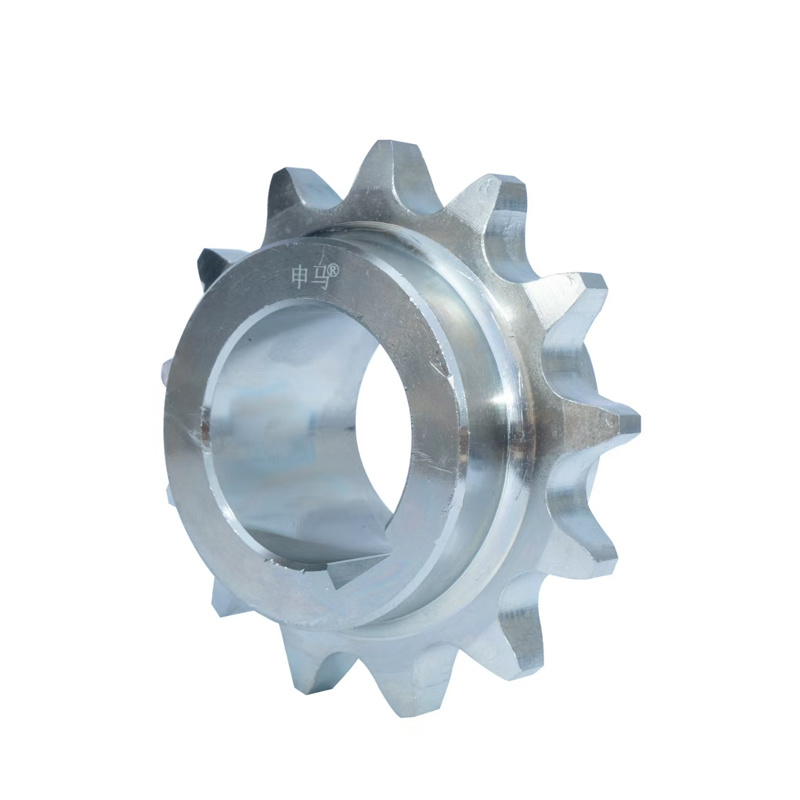
The Advantages of Precision Machining for Small Gears
Introduction to Precision Machining in Gear Manufacturing
In the realm of automotive and machinery components, small gears play a pivotal role in ensuring smooth operation and efficiency. The process of **precision machining** has revolutionized how these essential parts are manufactured. This article will dive deep into the **advantages of precision machining for small gears**, highlighting how this technique not only enhances performance but also contributes to cost savings in various applications.
Understanding Precision Machining
Precision machining involves the use of advanced machinery and technology to create parts with exceptional accuracy and consistency. Unlike traditional machining, which may yield variable results, precision machining focuses on minimizing tolerances and maximizing the quality of the final product.
Key Techniques in Precision Machining
Several techniques are integral to precision machining, including:
- **CNC Machining**: Computer Numerical Control (CNC) machining utilizes computerized controls to produce complex shapes with high accuracy.
- **Wire EDM (Electrical Discharge Machining)**: This technique employs a thin wire to cut through materials with precision, making it ideal for intricate parts like small gears.
- **Grinding and Honing**: These processes refine the surface of gears, ensuring a smooth finish that reduces friction and wear.
Each of these techniques contributes to the overall quality and performance of small gears, making them vital in today's manufacturing landscape.
The Benefits of Precision Machining for Small Gears
When considering precision machining for small gears, several key advantages emerge that can significantly impact performance and cost efficiency.
1. Enhanced Accuracy and Consistency
**Accuracy** is paramount in gear manufacturing. Precision machining offers tolerances as low as a few microns, ensuring that gears fit together seamlessly. This level of accuracy reduces the likelihood of mechanical failures and enhances the lifespan of the components.
2. Improved Efficiency and Performance
With precision machining, gears are designed to operate efficiently under specified loads. The enhanced surface finish achieved through this method minimizes friction, leading to reduced wear and tear. As a result, machinery operates more smoothly, and energy consumption is optimized.
3. Cost-Effectiveness in Production
While the initial investment in precision machining technology may be substantial, the long-term savings are undeniable. By reducing material waste and minimizing the need for rework, the overall production costs decrease. Furthermore, the durability of precision-machined gears translates to lower maintenance expenses over time.
4. Flexibility in Design and Material Selection
Precision machining allows for a wide variety of designs and materials. Manufacturers can experiment with different alloys and composites to achieve specific qualities, such as strength, weight, and corrosion resistance. This flexibility enables the production of custom gears tailored to particular applications, enhancing the performance of the end product.
5. Better Handling of Complex Geometries
Modern machinery can handle complex geometries that traditional methods may struggle to produce. Precision machining can create intricate shapes and features, ensuring that even the most detailed gears meet design specifications without sacrificing quality.
Applications of Precision Machined Small Gears
Precision machined small gears find applications in numerous industries, showcasing their versatility and reliability.
1. Automotive Industry
In automotive applications, small gears are essential for transmission systems, power steering, and electric motors. Precision machining ensures these gears operate efficiently, contributing to improved fuel performance and reduced emissions.
2. Aerospace Sector
The aerospace industry demands components that meet stringent safety and reliability standards. Precision machining provides the accuracy required for gears used in navigation systems, landing gear, and other critical applications, where failure is not an option.
3. Industrial Machinery
In the manufacturing sector, gears are integral to conveyor systems, pumps, and robotic machinery. Precision machined gears enhance the overall efficiency of these systems, ensuring smooth operation and reducing downtime caused by mechanical failures.
4. Robotics and Automation
With the rise of automation, small gears play a significant role in robotic systems. Precision machining allows for the production of lightweight, highly durable gears that can withstand the demands of fast-paced operations.
Challenges in Precision Machining
While precision machining offers numerous advantages, it is not without its challenges.
1. High Initial Investment
Investing in precision machining technology can be costly, requiring significant capital for machinery and skilled personnel. However, the long-term benefits often outweigh these initial costs.
2. Skill Requirements
Precision machining necessitates a skilled workforce capable of operating complex machinery and understanding intricate designs. Companies must invest in training and development to maintain high-quality standards.
3. Maintenance of Equipment
Precision machining equipment requires regular maintenance to ensure accuracy and longevity. Companies must develop maintenance schedules and invest in spare parts to minimize downtime.
Future Trends in Precision Machining for Small Gears
As technology continues to evolve, so will the landscape of precision machining.
1. Adoption of Smart Manufacturing
The integration of IoT (Internet of Things) in manufacturing can enhance precision machining processes. Smart manufacturing allows for real-time monitoring and adjustments, ensuring optimal performance and reduced waste.
2. Advancements in Materials
New materials, including lightweight composites and advanced alloys, will continue to shape the future of precision machining. These materials can offer improved performance and durability, making them ideal for small gear applications.
3. 3D Printing in Gear Production
While not traditionally associated with precision machining, 3D printing is becoming a viable option for creating small gears. This technology can rapidly produce prototypes and even final products, allowing for quicker iterations and design changes.
Conclusion
The advantages of precision machining for small gears are clear. From enhanced accuracy and efficiency to cost savings and flexibility in design, this modern manufacturing technique is essential for various industries. As technology continues to advance, the role of precision machining in gear production will only grow, ensuring that machinery operates at peak performance for years to come.
FAQs
1. What is precision machining?
Precision machining is a manufacturing process that utilizes advanced machinery and technology to create components with high accuracy and consistency.
2. What are the benefits of using precision machined small gears?
Benefits include enhanced accuracy, improved efficiency, cost-effectiveness, flexibility in design, and the ability to handle complex geometries.
3. Which industries utilize precision machined small gears?
Precision machined small gears are used in automotive, aerospace, industrial machinery, and robotics, among other sectors.
4. What challenges are associated with precision machining?
Challenges include high initial investment, the need for skilled labor, and the maintenance of sophisticated equipment.
5. What future trends can we expect in precision machining?
Future trends include the adoption of smart manufacturing, advancements in materials, and the increasing use of 3D printing in gear production.
TAG:
Contact Us
E-mail :
001@shenma-sprocket.com
Phone/WhatsApp:
+86-15028709856
Address:
Military Camp Village, Shimen Qiao Town, Renqiu City, Cangzhou, Hebei, China
Contact Info
Export Manager: Mr. Shen
Military Camp Village, Shimen Qiao Town, Renqiu City, Cangzhou, Hebei, China


Quick Link
Home

About Us
Product
OEM
Blog
Service
Contact Us
Get a Quote