

Top Maintenance Tips for Prolonging the Life of Your Chain Sprockets
May 04,2026

Top Maintenance Tips for Prolonging the Life of Your Chain Sprockets
Table of Contents
1. Introduction to Chain Sprockets and Their Importance
2. Understanding the Anatomy of Chain Sprockets
3. Key Factors Affecting Chain Sprocket Longevity
4. Regular Inspection Practices
4.1 Visual Inspections
4.2 Measurement and Alignment Checks
5. Proper Lubrication Techniques
5.1 Choosing the Right Lubricant
5.2 Lubrication Frequency and Methods
6. Maintenance Best Practices
6.1 Cleaning and Debris Removal
6.2 Tension Adjustment Techniques
7. Common Problems and Solutions
8. Conclusion
9. Frequently Asked Questions (FAQs)
1. Introduction to Chain Sprockets and Their Importance
Chain sprockets are integral components in many industrial applications, serving as the driving force in machines that rely on chain-driven systems. These devices connect and transmit motion between two rotating shafts, allowing for efficient power transfer. Understanding the **importance of maintaining chain sprockets** is crucial for ensuring operational efficiency and minimizing downtime. Proper maintenance extends the lifespan of these components and enhances overall system reliability.
2. Understanding the Anatomy of Chain Sprockets
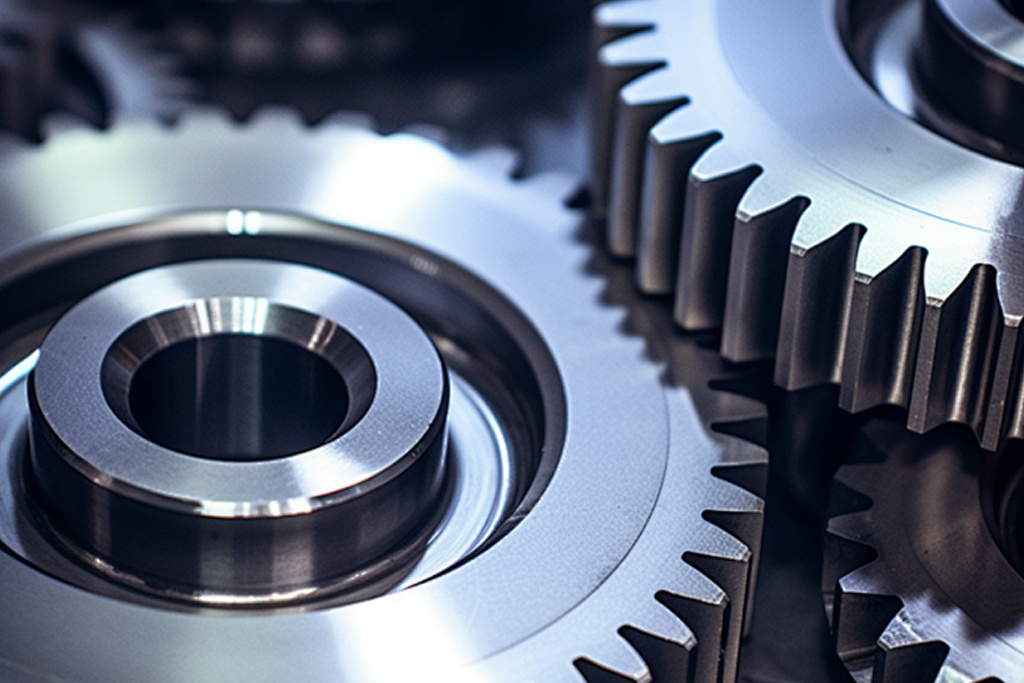
To effectively maintain chain sprockets, it's essential to understand their structure. Chain sprockets typically consist of several key parts, including:
- **Teeth**: Engage with the chain to transmit motion.
- **Hub**: The central part that attaches to the shaft.
- **Bore**: The hole through which the shaft passes.
Each component contributes to the sprocket's functionality and durability. Regularly inspecting these parts for wear and damage is critical in prolonging their life.
3. Key Factors Affecting Chain Sprocket Longevity
Several factors can significantly influence the lifespan of chain sprockets. These include:
- **Operating Conditions**: High temperatures, humidity, and exposure to corrosive substances can accelerate wear.
- **Load Conditions**: Overloading can lead to premature failure.
- **Chain Quality**: The type and quality of the chain used in conjunction with the sprocket play a vital role.
Understanding these factors helps in implementing effective maintenance strategies to counteract their effects.
4. Regular Inspection Practices
Regular inspections are the cornerstone of effective sprocket maintenance. By incorporating systematic checks into your maintenance routine, you can identify issues before they escalate.
4.1 Visual Inspections
Conducting regular visual inspections allows for the early detection of wear and tear. Look for:
- Uneven wear on sprocket teeth
- Cracks or chips on the tooth surfaces
- Misalignment between the sprocket and chain
Documenting these findings can help track wear patterns and predict when replacements might be necessary.
4.2 Measurement and Alignment Checks
Use calipers to measure the tooth height and width. Misalignment between the sprocket and chain can lead to uneven wear and decrease efficiency. Employ laser alignment tools when necessary to ensure precise alignment.
5. Proper Lubrication Techniques
Lubrication plays a pivotal role in reducing friction and wear on chain sprockets. Proper lubrication not only extends the life of sprockets but also enhances the overall efficiency of the machinery.
5.1 Choosing the Right Lubricant
Selecting the appropriate lubricant is crucial for effective maintenance. Consider the following:
- **Type of lubricant**: Oil-based vs. grease-based
- **Temperature tolerance**: Ensure the lubricant can withstand the operating environment
- **Compatibility**: Use lubricants that are compatible with both the chain and sprocket materials
5.2 Lubrication Frequency and Methods
Establish a lubrication schedule based on operational hours and environmental conditions. Use a combination of manual and automated lubrication methods for optimal results. Ensure that excess lubricant does not accumulate, as it can attract debris and cause additional wear.
6. Maintenance Best Practices
Incorporating best maintenance practices can significantly impact the longevity of your chain sprockets.
6.1 Cleaning and Debris Removal
Regular cleaning of sprockets and chains is essential to remove dirt, dust, and contaminants that can cause wear. Use appropriate cleaning agents and tools to avoid damaging the components.
6.2 Tension Adjustment Techniques
Proper tension ensures effective engagement between the chain and sprocket. Too much tension can cause excessive wear, while too little can lead to slippage. Regularly adjust the tension according to the manufacturer's specifications.
7. Common Problems and Solutions
Understanding common issues associated with chain sprockets can help in developing effective maintenance strategies. Here are a few prevalent problems and their solutions:
- **Problem**: Excessive wear on sprocket teeth
**Solution**: Regularly inspect and replace worn sprockets; ensure proper alignment.
- **Problem**: Chain slippage
**Solution**: Adjust chain tension and inspect for wear or damage.
- **Problem**: Corrosion
**Solution**: Apply appropriate lubricants and consider protective coatings for sprockets exposed to harsh environments.
8. Conclusion
Maintaining chain sprockets is essential for ensuring the longevity and efficiency of your industrial equipment. By implementing regular inspections, proper lubrication, and best maintenance practices, we can significantly extend the lifespan of these crucial components. A proactive maintenance approach not only reduces downtime but also enhances the overall performance of your machinery, leading to improved productivity and cost savings.
9. Frequently Asked Questions (FAQs)
1. How often should I inspect my chain sprockets?
Regular inspections should be conducted at least once a month or more frequently in high-load or harsh operating conditions.
2. What are the signs that a chain sprocket needs replacement?
Signs include uneven wear on teeth, visible cracks, and excessive noise during operation.
3. Can I use any lubricant for my chain sprockets?
No, it's essential to choose a lubricant that is compatible with both the chain and sprocket materials and suitable for the operating conditions.
4. How do I know if my chain tension is correct?
Refer to the manufacturer's specifications for the correct tension and visually inspect for any signs of slippage or excessive wear.
5. What should I do if my sprocket becomes corroded?
Clean the sprocket thoroughly, apply a suitable protective coating, and replace it if the corrosion has compromised its structural integrity.
By adhering to these maintenance tips, you can effectively prolong the life of your chain sprockets and ensure optimal performance in your industrial applications.
TAG:

Contact Us
E-mail :
001@shenma-sprocket.com
Phone/WhatsApp:
+86-15028709856
Address:
Military Camp Village, Shimen Qiao Town, Renqiu City, Cangzhou, Hebei, China
Contact Info
Export Manager: Mr. Shen
Military Camp Village, Shimen Qiao Town, Renqiu City, Cangzhou, Hebei, China


Quick Link
Home

About Us
Product
OEM
Blog
Service
Contact Us
Get a Quote