

Exploring the Benefits of Upgrading to High-Quality Mechanical Transmission Gears
May 10,2026
Exploring the Benefits of Upgrading to High-Quality Mechanical Transmission Gears
Table of Contents
- What Are Mechanical Transmission Gears?
- The Importance of High-Quality Gears
- Key Benefits of Upgrading to High-Quality Gears
- How to Choose the Right High-Quality Gears
- The Installation Process: What to Expect
- Costs and Budgeting for Upgrades
- Common Misconceptions About High-Quality Gears
- Frequently Asked Questions
What Are Mechanical Transmission Gears?
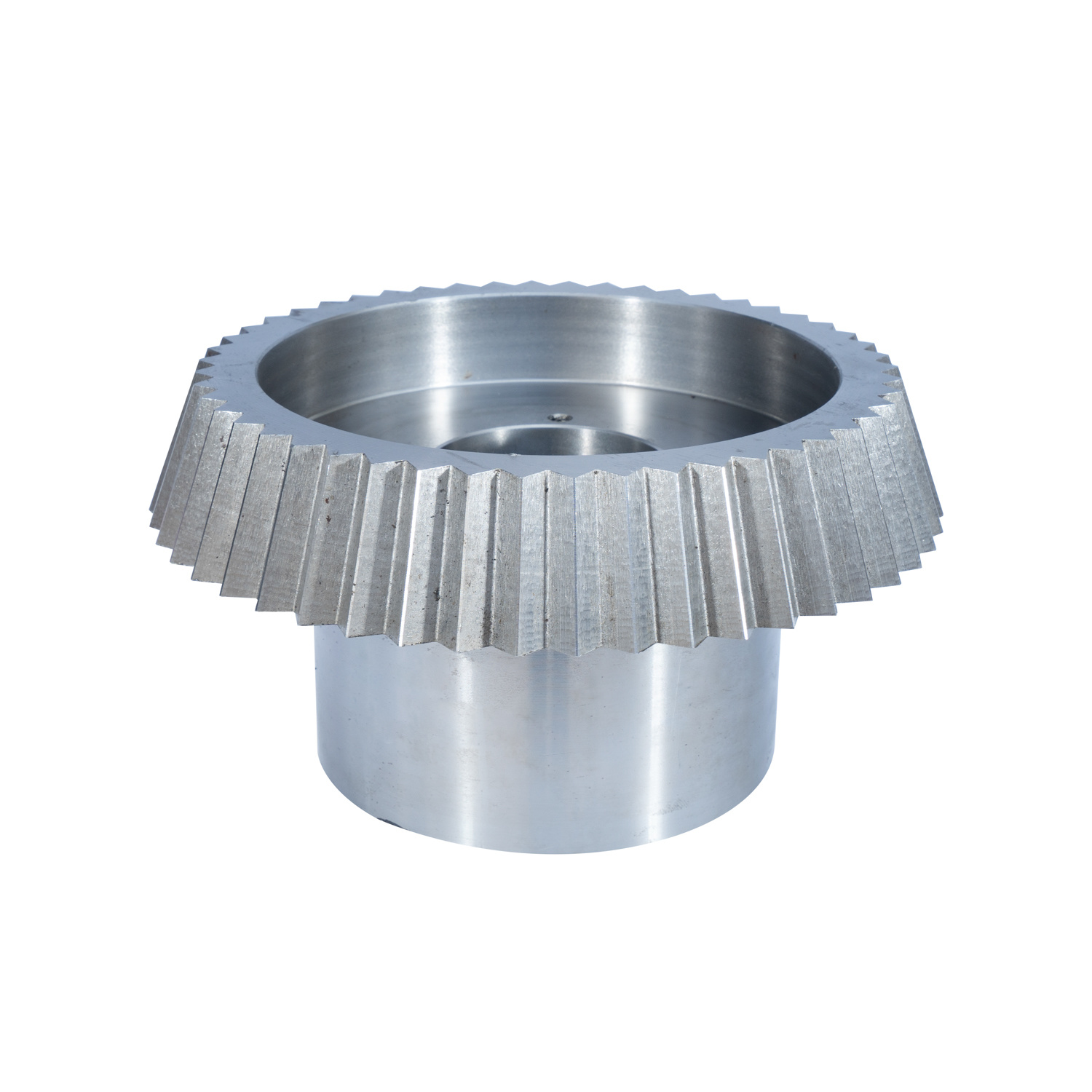
Mechanical transmission gears play a pivotal role in the operation of vehicles by transferring power from the engine to the wheels. These gears function through a series of interlocking teeth that allow for the smooth transfer of rotational motion. The performance of these gears directly impacts a vehicle's handling, acceleration, and overall performance. Understanding the different types of gears—such as spur gears, helical gears, and bevel gears—is essential for optimizing vehicle function.
The Importance of High-Quality Gears
High-quality mechanical transmission gears are essential for maximizing vehicle performance. The quality of gears can significantly affect various aspects of driving, including efficiency, reliability, and safety. Investing in superior gears not only enhances the vehicle's performance but also promotes safer driving experiences by ensuring that the mechanical components operate smoothly and reliably.
Key Benefits of Upgrading to High-Quality Gears
When considering an upgrade to high-quality mechanical transmission gears, several benefits become apparent.
Improved Performance and Efficiency
Upgrading to high-quality transmission gears can lead to substantial improvements in performance and fuel efficiency. High-quality gears are engineered with precision, reducing friction and energy loss during operation. This enhancement translates to better acceleration, smoother gear shifts, and an overall increase in horsepower. Vehicles equipped with superior gears often achieve higher speeds and more responsive handling, making for a more enjoyable driving experience.
Enhanced Durability and Longevity
One of the most significant advantages of investing in high-quality mechanical transmission gears is their durability. Quality materials and manufacturing processes ensure that these gears withstand the rigors of daily driving. Enhanced durability means that high-quality gears are less prone to wear and tear, reducing the frequency of replacements and maintenance. This longevity not only saves money in the long run but also ensures that vehicle performance remains consistent over time.
Reduced Noise and Vibration
High-quality gears are designed to operate quietly and with minimal vibration. This is achieved through advanced engineering techniques that promote smoother interactions between the gear teeth. Vehicles equipped with superior gears experience significantly reduced noise, which contributes to a more comfortable and enjoyable ride. Additionally, minimizing vibration enhances driver control and responsiveness, leading to a safer driving experience.
How to Choose the Right High-Quality Gears
Selecting the right high-quality transmission gears is crucial for achieving optimal performance. Here are several factors to consider when making your choice:
1. **Material**: Look for gears made from high-quality materials such as carbon steel or alloys that provide the necessary strength and durability.
2. **Manufacturer Reputation**: Research manufacturers known for producing reliable and high-performance gears. Reading reviews and seeking recommendations can guide your decision.
3. **Compatibility**: Ensure that the gears are compatible with your vehicle's transmission system. Mismatched gears can lead to inefficient performance and potential damage.
4. **Gear Ratio**: Consider the gear ratio that best suits your driving needs. Different ratios can affect acceleration, speed, and fuel efficiency.
5. **Cost vs. Value**: While high-quality gears may come with a higher upfront cost, consider the long-term value they provide in terms of performance and maintenance.
The Installation Process: What to Expect
Installing high-quality mechanical transmission gears involves several steps, typically performed by a qualified mechanic. Here is what to expect during the installation process:
1. **Assessment**: The mechanic will assess the vehicle's current transmission system to determine the appropriate gears for replacement.
2. **Removal**: The existing gears will need to be carefully removed. This may involve disassembling parts of the transmission.
3. **Installation**: The new high-quality gears will be installed, ensuring proper alignment and fit.
4. **Testing**: After installation, the vehicle will be tested to ensure that the new gears operate smoothly and effectively.
5. **Final Adjustments**: Any necessary adjustments will be made to optimize performance and ensure that the vehicle is functioning correctly.
Costs and Budgeting for Upgrades
When considering an upgrade to high-quality mechanical transmission gears, budgeting is essential. The costs can vary widely depending on several factors, including the type of gears, labor rates in your area, and any additional modifications required. Here’s a breakdown of potential costs:
1. **Gear Costs**: High-quality gears may range from several hundred to a few thousand dollars, depending on the brand and type.
2. **Labor**: Professional installation can cost anywhere from $100 to $200 per hour, depending on the complexity of the job and the region.
3. **Additional Components**: If other parts of the transmission system need upgrading or replacement, this will add to the total cost.
4. **Overall Budget**: Set a budget that includes not only the cost of the gears but also labor and any additional parts. Consider the long-term savings in maintenance and fuel efficiency when evaluating the total investment.
Common Misconceptions About High-Quality Gears
Several misconceptions may deter vehicle owners from upgrading to high-quality mechanical transmission gears. Addressing these myths can help in making informed decisions:
1. **High Cost Equals High Quality**: While many high-quality gears come with a higher price tag, not all expensive gears are necessarily superior. Research and reviews are essential.
2. **Upgrading is Unnecessary**: Many believe that factory-installed gears are adequate. However, after-market upgrades can significantly enhance performance and efficiency.
3. **Installation is Simple**: Some assume that replacing gears is a straightforward task. However, proper installation requires expertise and precision to avoid damaging other components.
4. **All Gears Are the Same**: This misconception overlooks the importance of material quality, design, and engineering that varies significantly between manufacturers.
Frequently Asked Questions
1. What are the signs that I need to upgrade my mechanical transmission gears?
Common signs include difficulty shifting gears, unusual noises from the transmission, reduced acceleration, and increased fuel consumption. If you notice any of these issues, it may be time to consider an upgrade.
2. How often should I replace my transmission gears?
The lifespan of transmission gears varies depending on driving habits and maintenance. It's advisable to inspect them every 30,000 miles and replace them as needed.
3. Can I upgrade my gears myself, or should I hire a professional?
While some experienced DIYers may attempt gear upgrades, it is recommended to hire a professional mechanic to ensure proper installation and avoid potential damage.
4. Will upgrading my gears void my vehicle warranty?
In many cases, upgrading gears can affect your warranty. It’s important to consult your vehicle's warranty terms and discuss potential impacts with your dealer or manufacturer.
5. What type of materials are best for high-quality gears?
High-quality gears are typically made from carbon steel or specialized alloys designed for strength, durability, and resistance to wear.
Conclusion
Upgrading to high-quality mechanical transmission gears offers numerous benefits that can significantly enhance your vehicle's performance, efficiency, and longevity. By investing in superior materials and engineering, vehicle owners can enjoy improved performance, reduced noise, and enhanced durability. When choosing the right gears, consider factors such as materials, compatibility, and installation expertise. While the costs may vary, the long-term benefits of high-quality gears far outweigh the initial investment. By understanding the importance of this upgrade, you can make informed decisions that elevate your driving experience to new heights.
TAG:
Contact Us
E-mail :
001@shenma-sprocket.com
Phone/WhatsApp:
+86-15028709856
Address:
Military Camp Village, Shimen Qiao Town, Renqiu City, Cangzhou, Hebei, China
Contact Info
Export Manager: Mr. Shen
Military Camp Village, Shimen Qiao Town, Renqiu City, Cangzhou, Hebei, China


Quick Link
Home

About Us
Product
OEM
Blog
Service
Contact Us
Get a Quote