

The Importance of Small Gears in Automotive Transmission Systems
May 13,2026
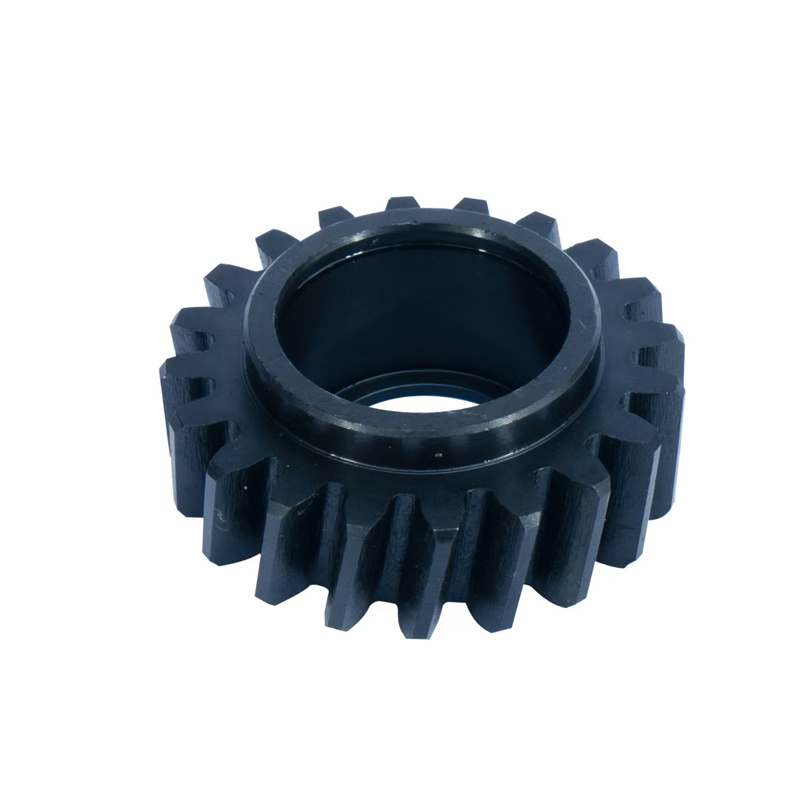
In the automotive and parts industry, small gears are often overlooked components that wield considerable influence over the performance of transmission systems. These compact devices are integral to power transmission, enabling the efficient transfer of energy within various mechanical systems. Understanding small gears, their design principles, and their applications can greatly enhance your knowledge of automotive transmission systems.
Small gears serve multiple purposes, including speed reduction, torque multiplication, and direction change in the movement of mechanical systems. They can be found in a wide array of applications, from electric motors to manual transmissions in vehicles. Their size allows them to fit into tighter spaces, which is particularly advantageous in modern automotive designs where space is at a premium.
One of the primary benefits of using small gears is their ability to increase mechanical efficiency. In a transmission, they are designed to mesh with larger gears, facilitating smooth and controlled power transfer. Properly designed small gears can reduce friction, which is essential for the longevity of the transmission system. When gear pairs are correctly aligned and constructed from suitable materials, they can operate with minimal energy loss, enhancing overall vehicle performance.
In terms of design, small gears are typically made from high-strength materials like steel or advanced composites to withstand the operational stresses they encounter during use. The tooth design is also crucial; different profiles (such as spur, helical, or bevel) are chosen based on the specific application and desired outcomes. For instance, helical gears are preferred for their quieter operation, while spur gears are favored for their simplicity and ease of manufacturing.
Moreover, the precision in the manufacturing of small gears is pivotal. Tolerances must be strictly controlled to ensure that the gears mesh properly, which impacts the noise levels, wear rates, and efficiency of the transmission system. Advanced manufacturing processes, such as CNC machining and heat treatment, are employed to enhance their performance and durability.
When it comes to maintenance, small gears require regular inspections to ensure they're functioning optimally. Signs of wear, such as unusual noises or vibrations, can indicate that the gears may need to be replaced or serviced. This is crucial for maintaining the reliability and safety of the vehicle.
In summary, small gears are essential components within automotive transmission systems. Their design, functionality, and maintenance significantly affect the efficiency and performance of vehicles. By recognizing their importance, automotive professionals and enthusiasts can better appreciate the intricate workings of modern mechanical systems and contribute to the ongoing evolution of automotive technology.
Small gears serve multiple purposes, including speed reduction, torque multiplication, and direction change in the movement of mechanical systems. They can be found in a wide array of applications, from electric motors to manual transmissions in vehicles. Their size allows them to fit into tighter spaces, which is particularly advantageous in modern automotive designs where space is at a premium.
One of the primary benefits of using small gears is their ability to increase mechanical efficiency. In a transmission, they are designed to mesh with larger gears, facilitating smooth and controlled power transfer. Properly designed small gears can reduce friction, which is essential for the longevity of the transmission system. When gear pairs are correctly aligned and constructed from suitable materials, they can operate with minimal energy loss, enhancing overall vehicle performance.
In terms of design, small gears are typically made from high-strength materials like steel or advanced composites to withstand the operational stresses they encounter during use. The tooth design is also crucial; different profiles (such as spur, helical, or bevel) are chosen based on the specific application and desired outcomes. For instance, helical gears are preferred for their quieter operation, while spur gears are favored for their simplicity and ease of manufacturing.
Moreover, the precision in the manufacturing of small gears is pivotal. Tolerances must be strictly controlled to ensure that the gears mesh properly, which impacts the noise levels, wear rates, and efficiency of the transmission system. Advanced manufacturing processes, such as CNC machining and heat treatment, are employed to enhance their performance and durability.
When it comes to maintenance, small gears require regular inspections to ensure they're functioning optimally. Signs of wear, such as unusual noises or vibrations, can indicate that the gears may need to be replaced or serviced. This is crucial for maintaining the reliability and safety of the vehicle.
In summary, small gears are essential components within automotive transmission systems. Their design, functionality, and maintenance significantly affect the efficiency and performance of vehicles. By recognizing their importance, automotive professionals and enthusiasts can better appreciate the intricate workings of modern mechanical systems and contribute to the ongoing evolution of automotive technology.
TAG:
PREVIOUS:

Contact Us
E-mail :
001@shenma-sprocket.com
Phone/WhatsApp:
+86-15028709856
Address:
Military Camp Village, Shimen Qiao Town, Renqiu City, Cangzhou, Hebei, China
Contact Info
Export Manager: Mr. Shen
Military Camp Village, Shimen Qiao Town, Renqiu City, Cangzhou, Hebei, China


Quick Link
Home

About Us
Product
OEM
Blog
Service
Contact Us
Get a Quote