

Understanding Spiral Bevel Gears: Essential Insights for the Automotive Industry
Jun 06,2026

Spiral bevel gears are a significant component in the realm of automotive transmission systems, playing a fundamental role in the transfer of power and motion between intersecting shafts. These gears are designed to transmit torque through a 90-degree angle, making them especially valuable for applications where space constraints and efficiency are critical.
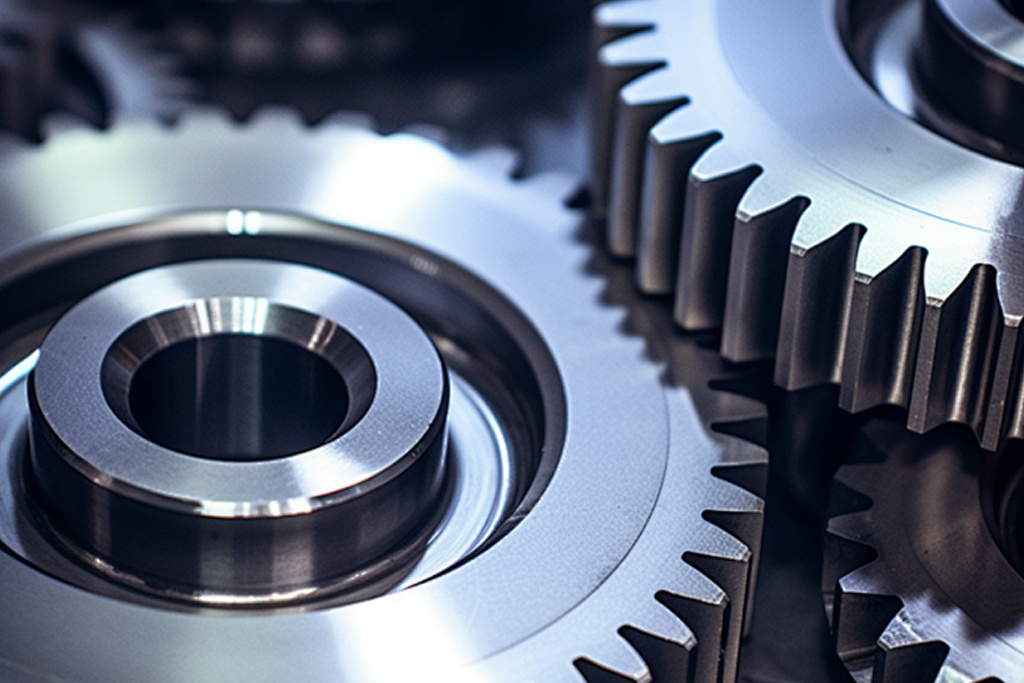
One of the defining characteristics of spiral bevel gears is their tooth design. Unlike straight bevel gears, which have teeth that are aligned parallel to the gear's axis, spiral bevel gears feature helical teeth that engage progressively. This design enhances the strength and load distribution across the gear teeth, resulting in smoother operation and lower noise levels. The gradual engagement of the teeth also improves the overall efficiency of power transmission, making spiral bevel gears a preferred choice in high-performance automotive applications.
The manufacturing process of spiral bevel gears typically involves advanced cutting techniques like CNC machining and grinding, ensuring high precision and quality. The accuracy in manufacturing is crucial, as even minor deviations can lead to increased wear, noise, and reduced efficiency. Therefore, investing in high-quality spiral bevel gears can significantly enhance the longevity and performance of the entire transmission system.
In addition to their mechanical advantages, spiral bevel gears also offer flexibility in design. They can be manufactured in various sizes and materials to meet specific application requirements. This adaptability makes them suitable for a wide range of automotive applications, including differential systems, drive axles, and transfer cases.
When considering the implementation of spiral bevel gears in automotive systems, it is essential to take into account factors such as load capacity, speed, and environment. Selecting the right gear configuration and material can lead to improved performance and reliability. For example, using corrosion-resistant materials can extend the lifespan of gears exposed to harsh environments, while optimizing the gear ratio can enhance overall efficiency.
In conclusion, spiral bevel gears are a vital component in the automotive transmission landscape. Their unique design and manufacturing capabilities contribute to their effectiveness in power transmission and motion transfer. By understanding the benefits and applications of spiral bevel gears, automotive professionals can make informed decisions that enhance the performance and reliability of their vehicles. Whether you are designing a new system or maintaining existing equipment, considering the role of spiral bevel gears can lead to significant improvements in efficiency and durability.
One of the defining characteristics of spiral bevel gears is their tooth design. Unlike straight bevel gears, which have teeth that are aligned parallel to the gear's axis, spiral bevel gears feature helical teeth that engage progressively. This design enhances the strength and load distribution across the gear teeth, resulting in smoother operation and lower noise levels. The gradual engagement of the teeth also improves the overall efficiency of power transmission, making spiral bevel gears a preferred choice in high-performance automotive applications.
The manufacturing process of spiral bevel gears typically involves advanced cutting techniques like CNC machining and grinding, ensuring high precision and quality. The accuracy in manufacturing is crucial, as even minor deviations can lead to increased wear, noise, and reduced efficiency. Therefore, investing in high-quality spiral bevel gears can significantly enhance the longevity and performance of the entire transmission system.
In addition to their mechanical advantages, spiral bevel gears also offer flexibility in design. They can be manufactured in various sizes and materials to meet specific application requirements. This adaptability makes them suitable for a wide range of automotive applications, including differential systems, drive axles, and transfer cases.
When considering the implementation of spiral bevel gears in automotive systems, it is essential to take into account factors such as load capacity, speed, and environment. Selecting the right gear configuration and material can lead to improved performance and reliability. For example, using corrosion-resistant materials can extend the lifespan of gears exposed to harsh environments, while optimizing the gear ratio can enhance overall efficiency.
In conclusion, spiral bevel gears are a vital component in the automotive transmission landscape. Their unique design and manufacturing capabilities contribute to their effectiveness in power transmission and motion transfer. By understanding the benefits and applications of spiral bevel gears, automotive professionals can make informed decisions that enhance the performance and reliability of their vehicles. Whether you are designing a new system or maintaining existing equipment, considering the role of spiral bevel gears can lead to significant improvements in efficiency and durability.
TAG:
PREVIOUS:

Contact Us
E-mail :
001@shenma-sprocket.com
Phone/WhatsApp:
+86-15028709856
Address:
Military Camp Village, Shimen Qiao Town, Renqiu City, Cangzhou, Hebei, China
Contact Info
Export Manager: Mr. Shen
Military Camp Village, Shimen Qiao Town, Renqiu City, Cangzhou, Hebei, China


Quick Link
Home

About Us
Product
OEM
Blog
Service
Contact Us
Get a Quote