

High Precision Gear Technology Drives Modern Industrial Efficiency and Mechanical Performance
Jun 08,2026

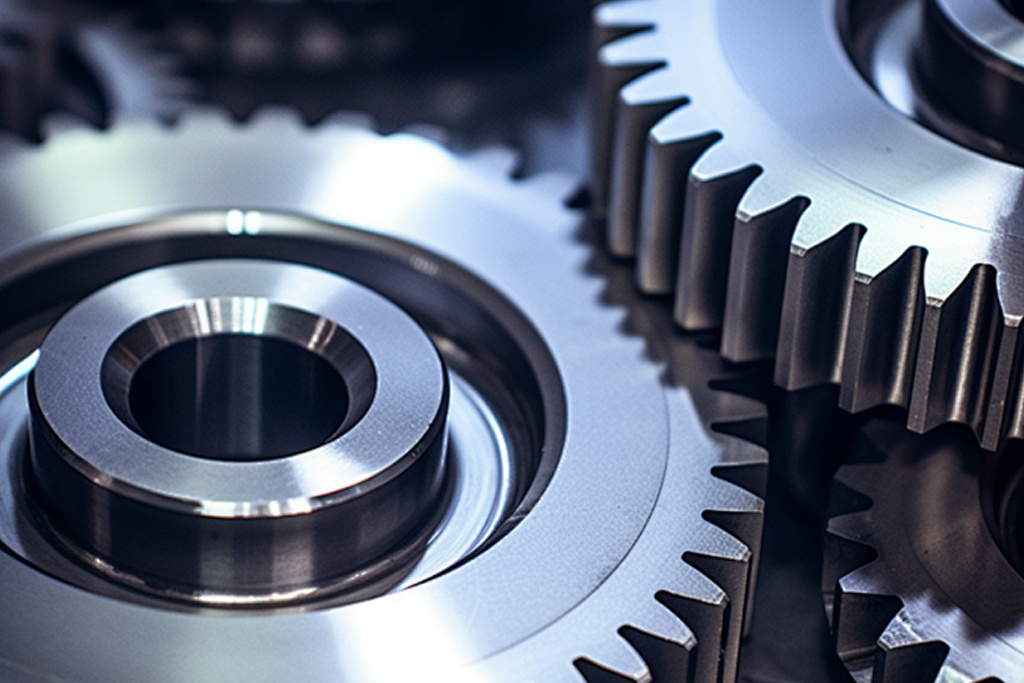
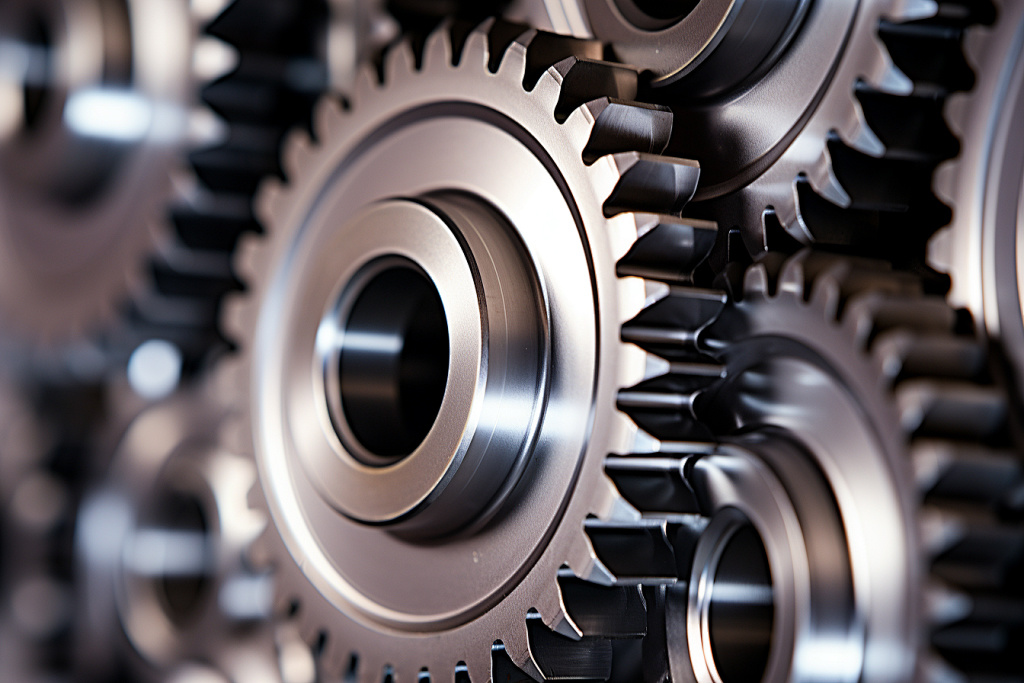
The high precision gear has become a critical component in modern machinery, industrial equipment, automotive systems, robotics, and aerospace applications due to its ability to deliver accurate motion control, efficient power transmission, and reliable performance under demanding conditions. As industries increasingly rely on automation and high-performance equipment, the demand for high precision gear technology continues to grow globally. These gears are designed to meet stringent tolerance standards, reduce mechanical loss, and ensure smooth operation across a variety of applications.
One of the most significant advantages of the high precision gear is its ability to maintain exact rotational and linear movement. This precision is essential for applications in robotics, CNC machinery, printing equipment, automotive transmissions, and aerospace systems, where even minor deviations in gear operation can lead to reduced efficiency, increased wear, or mechanical failure. Manufacturers are increasingly adopting high precision gear solutions to optimize system accuracy, improve production quality, and extend equipment life.
Modern high precision gear manufacturing utilizes advanced materials, such as alloy steels, stainless steel, and engineered composites, to achieve superior strength, wear resistance, and dimensional stability. Precision machining processes, including CNC hobbing, gear grinding, and gear shaving, ensure that each gear meets strict tolerances and performance specifications. Quality control systems, such as coordinate measuring machines (CMM) and laser scanning technology, are widely implemented to guarantee consistent production quality.

The automotive industry has been a key driver of the high precision gear market. Gear components are essential for transmissions, differential systems, steering mechanisms, and electric vehicle powertrains. High precision gears help achieve smoother operation, lower vibration, and greater energy efficiency. As electric vehicles gain traction worldwide, precision gears designed for EV drivetrains must meet even more stringent performance requirements, including high torque capacity, quiet operation, and long-term reliability.
In robotics and automation, the high precision gear plays a crucial role in ensuring accurate positioning, repeatability, and synchronized motion. Industrial robots, collaborative robots, CNC machines, and automated assembly lines rely heavily on these gears for precise movement and reliable operation. Any errors in gear performance can directly impact production accuracy, cycle times, and overall operational efficiency. Manufacturers are increasingly turning to high precision gears with custom specifications to meet specific application requirements and improve system performance.
The aerospace and defense industries also demand high-performance high precision gear solutions. Aircraft actuators, helicopter rotors, satellite mechanisms, and military equipment require gears with exceptional accuracy, fatigue resistance, and reliability under extreme conditions. Engineers often use advanced surface treatments, specialized lubrication, and heat treatment processes to ensure that high precision gears can withstand challenging operational environments, including high-speed rotation, heavy loads, and fluctuating temperatures.
Sustainability and efficiency have become important considerations in the design and production of high precision gear systems. Optimized gear design reduces energy loss during transmission, which in turn lowers operational costs and minimizes environmental impact. Lightweight materials and innovative gear geometries are being explored to improve energy efficiency while maintaining mechanical strength and durability.
Customization is another key trend in the high precision gear market. Manufacturers offer tailored solutions to meet the specific requirements of different industries and applications. Customization options may include gear size, module, number of teeth, material selection, surface finish, and tolerance levels. By providing precise, application-specific gear solutions, manufacturers help clients achieve higher performance, reduce maintenance needs, and extend the life of their machinery.
Advancements in digital design, simulation, and manufacturing technologies are also contributing to the growth of the high precision gear market. Computer-aided design (CAD), finite element analysis (FEA), and virtual prototyping allow engineers to optimize gear geometry for strength, efficiency, and noise reduction. Industry 4.0 technologies, such as smart sensors and predictive maintenance, further enhance the reliability and lifespan of high precision gear systems by enabling real-time monitoring and early detection of potential issues.
In conclusion, the high precision gear is a cornerstone of modern industrial and mechanical systems. Its ability to provide accurate, efficient, and reliable motion control makes it indispensable across a wide range of industries, including automotive, robotics, aerospace, manufacturing, and energy. As technology advances, demand for high precision, customizable, and durable gear solutions is expected to continue growing. Manufacturers who invest in advanced materials, precision machining, and intelligent design will be well-positioned to lead the market, meeting the evolving needs of industries worldwide and supporting the next generation of high-performance machinery.
Contact Us
E-mail :
001@shenma-sprocket.com
Phone/WhatsApp:
+86-15028709856
Address:
Military Camp Village, Shimen Qiao Town, Renqiu City, Cangzhou, Hebei, China
Contact Info
Export Manager: Mr. Shen
Military Camp Village, Shimen Qiao Town, Renqiu City, Cangzhou, Hebei, China


Quick Link
Home

About Us
Product
OEM
Blog
Service
Contact Us
Get a Quote