

Understanding the Importance of Small Gears in Automotive Transmission Systems
Jun 12,2026
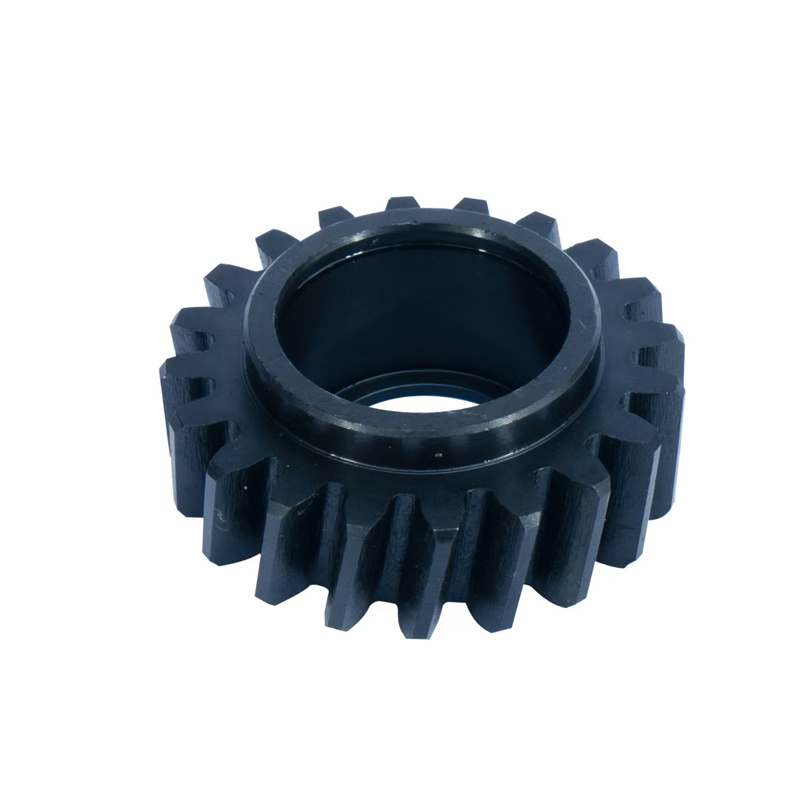
In the realm of automotive and motorcycle components, small gears are integral to the transmission system, which is designed to optimize power transfer from the engine to the wheels. Understanding the mechanics and applications of small gears can significantly enhance the performance and reliability of a vehicle.
Small gears are typically used to achieve specific gear ratios that dictate the amount of torque and speed delivered to the wheels. By selecting appropriate small gear sizes, engineers can enhance performance characteristics, allowing vehicles to accelerate more efficiently or maintain higher speeds on inclines. The design of these gears is crucial, as factors such as material selection, tooth configuration, and surface finish can greatly influence their performance and durability.
One of the primary advantages of small gears is their ability to fit into compact spaces without sacrificing performance. This is particularly important in modern automotive designs, where minimizing weight and maximizing efficiency are paramount. Small gears can be found in various applications, including gearboxes, differentials, and electric drive systems, demonstrating their versatility in enhancing mechanical efficiency across different types of vehicles.
When designing small gears, engineers must consider factors such as load capacity, wear resistance, and lubrication methods. The materials used—ranging from traditional steel to advanced composites—must be chosen carefully to withstand the stresses encountered during operation. Additionally, precise manufacturing techniques, such as CNC machining or additive manufacturing, can ensure that small gears meet stringent tolerances, further enhancing their performance and reliability.
In the context of transmission systems, the interaction between small gears and other components, such as larger gears and bearings, is critical. This interaction impacts the overall efficiency of power transfer within the system. Therefore, thorough analysis and testing are essential during the design phase to optimize gear performance and address potential issues such as noise and vibration.
Moreover, advancements in technology have led to the development of specialized small gears designed for specific applications, including electric vehicles and hybrid systems. These innovations not only improve energy efficiency but also contribute to the overall sustainability of automotive designs.
In summary, small gears are essential components in the automotive transmission system that contribute to improved performance and efficiency. Understanding their design, applications, and manufacturing processes can provide valuable insights for professionals in the automotive industry. By prioritizing the selection and optimization of small gears, engineers can ensure a more reliable and effective power transmission system, ultimately enhancing the driving experience.
Small gears are typically used to achieve specific gear ratios that dictate the amount of torque and speed delivered to the wheels. By selecting appropriate small gear sizes, engineers can enhance performance characteristics, allowing vehicles to accelerate more efficiently or maintain higher speeds on inclines. The design of these gears is crucial, as factors such as material selection, tooth configuration, and surface finish can greatly influence their performance and durability.
One of the primary advantages of small gears is their ability to fit into compact spaces without sacrificing performance. This is particularly important in modern automotive designs, where minimizing weight and maximizing efficiency are paramount. Small gears can be found in various applications, including gearboxes, differentials, and electric drive systems, demonstrating their versatility in enhancing mechanical efficiency across different types of vehicles.
When designing small gears, engineers must consider factors such as load capacity, wear resistance, and lubrication methods. The materials used—ranging from traditional steel to advanced composites—must be chosen carefully to withstand the stresses encountered during operation. Additionally, precise manufacturing techniques, such as CNC machining or additive manufacturing, can ensure that small gears meet stringent tolerances, further enhancing their performance and reliability.
In the context of transmission systems, the interaction between small gears and other components, such as larger gears and bearings, is critical. This interaction impacts the overall efficiency of power transfer within the system. Therefore, thorough analysis and testing are essential during the design phase to optimize gear performance and address potential issues such as noise and vibration.
Moreover, advancements in technology have led to the development of specialized small gears designed for specific applications, including electric vehicles and hybrid systems. These innovations not only improve energy efficiency but also contribute to the overall sustainability of automotive designs.
In summary, small gears are essential components in the automotive transmission system that contribute to improved performance and efficiency. Understanding their design, applications, and manufacturing processes can provide valuable insights for professionals in the automotive industry. By prioritizing the selection and optimization of small gears, engineers can ensure a more reliable and effective power transmission system, ultimately enhancing the driving experience.
TAG:

Contact Us
E-mail :
001@shenma-sprocket.com
Phone/WhatsApp:
+86-15028709856
Address:
Military Camp Village, Shimen Qiao Town, Renqiu City, Cangzhou, Hebei, China
Contact Info
Export Manager: Mr. Shen
Military Camp Village, Shimen Qiao Town, Renqiu City, Cangzhou, Hebei, China


Quick Link
Home

About Us
Product
OEM
Blog
Service
Contact Us
Get a Quote