

The Science Behind Mechanical Transmission Gears: Understanding Their Functionality
Jun 09,2026
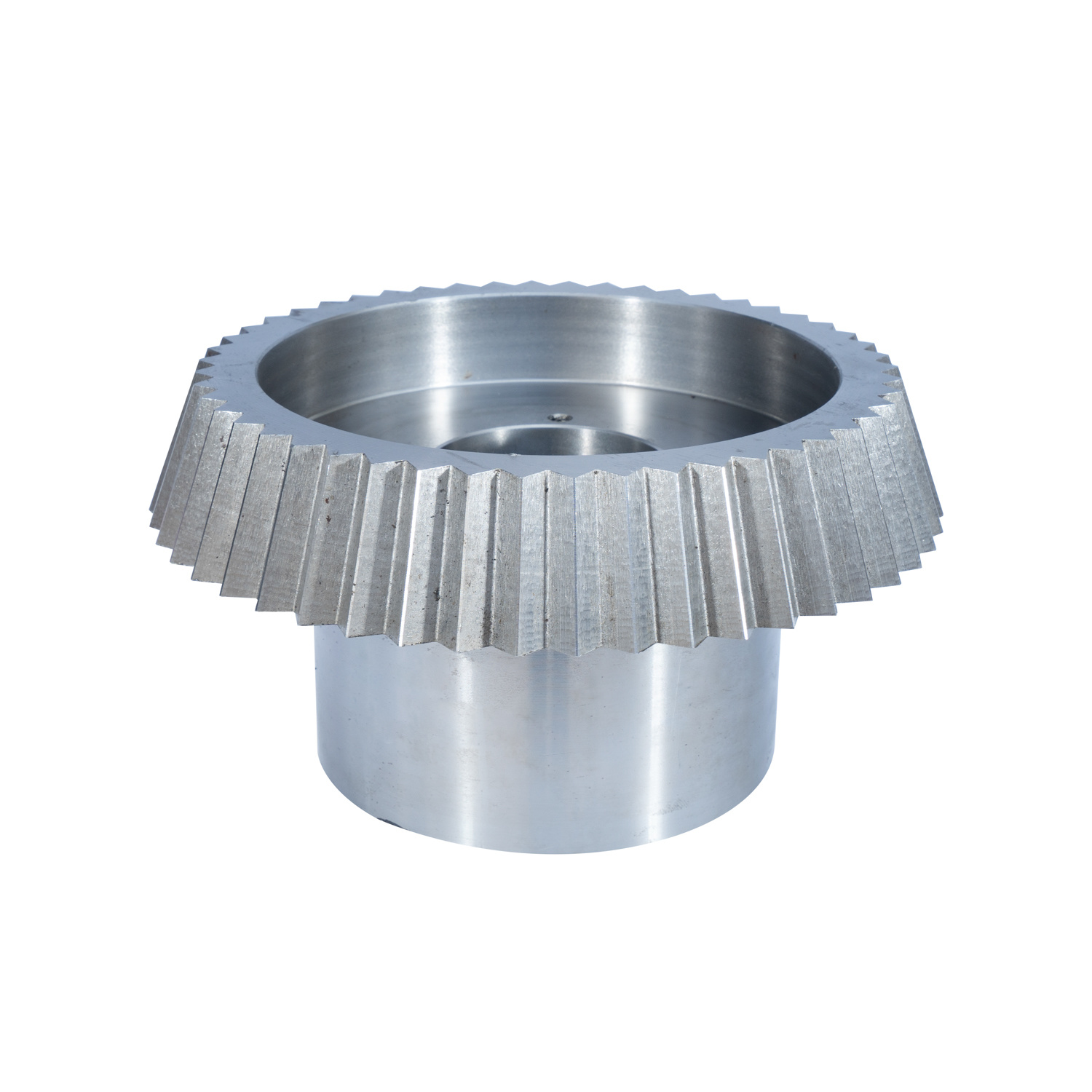
The Science Behind Mechanical Transmission Gears: Understanding Their Functionality
Mechanical transmission gears are vital components in a wide array of vehicles and machinery. Understanding their functionality is crucial for engineers, mechanics, and enthusiasts alike. In this article, we will explore how gears work, their various types, and their applications in everyday life.
Table of Contents
1. Introduction to Mechanical Transmission Gears
2. The Basic Principles of Gear Functionality
3. Types of Gears: An Overview
3.1 Bevel Gears
3.2 Spur Gears
3.3 Helical Gears
3.4 Worm Gears
4. Gear Ratios and Their Importance
5. Applications of Mechanical Transmission Gears
5.1 Automotive Industry
5.2 Industrial Machinery
5.3 Robotics and Automation
6. Future Trends in Gear Technology
7. FAQs About Mechanical Transmission Gears
8. Conclusion
1. Introduction to Mechanical Transmission Gears
Mechanical transmission gears play an instrumental role in converting motion within machines. They facilitate the transfer of power and motion from one part of a machine to another, ensuring that mechanical systems operate efficiently. Understanding the science behind gears helps us appreciate their significance in our daily lives.
2. The Basic Principles of Gear Functionality
At its core, a gear is a rotating machine part featuring teeth that interlock with those of another gear. This interlocking mechanism allows gears to transmit torque and speed effectively. When one gear turns, it causes the connected gear to move in the opposite direction. This simple yet powerful principle underpins various mechanical systems.
The functionality of gears relies on several key factors:
1. **Torque**: The rotational force applied to the gear.
2. **Speed**: The rate at which the gear rotates, typically measured in revolutions per minute (RPM).
3. **Gear Ratio**: The relationship between the number of teeth on two interlocking gears, which determines the output speed and torque.
3. Types of Gears: An Overview
Understanding the different types of gears is essential for grasping their functionality. Each type serves a specific purpose and is designed for various applications.
3.1 Bevel Gears
Bevel gears are designed to transmit power between shafts that are at an angle to each other, typically 90 degrees. They feature conical shapes with teeth that are cut at an angle, allowing for smooth operation and efficient power transfer.
3.2 Spur Gears
Spur gears are the most common type, characterized by straight teeth parallel to the gear's axis. They are used in a wide range of applications due to their simplicity, ease of manufacture, and efficiency at low speeds.
3.3 Helical Gears
Helical gears have teeth that are cut at an angle to the gear's axis. This design allows for smoother and quieter operation compared to spur gears, making them ideal for high-speed applications. Helical gears can also handle higher loads due to the increased surface contact.
3.4 Worm Gears
Worm gears consist of a worm (a screw-like gear) and a worm wheel. This combination allows for significant torque multiplication and is often used in applications requiring high reduction ratios, such as elevators and conveyor systems.
4. Gear Ratios and Their Importance
A critical aspect of gear functionality is the gear ratio, which defines how the speed and torque are affected when power is transmitted through gears. The gear ratio is calculated by dividing the number of teeth on the driven gear by the number of teeth on the driving gear.
For instance, a gear ratio of 2:1 means that for every two turns of the driving gear, the driven gear will turn once. This ratio directly impacts machine performance, influencing acceleration, speed, and overall efficiency.
5. Applications of Mechanical Transmission Gears
Mechanical transmission gears find applications across various industries, each utilizing their unique properties to optimize performance.
5.1 Automotive Industry
In automobiles, gears are crucial for transmitting power from the engine to the wheels. They enable vehicles to accelerate smoothly, maintain speed, and achieve optimal fuel efficiency. Transmission systems, including automatic and manual gearboxes, rely heavily on various gear types to function correctly.
5.2 Industrial Machinery
Industrial machinery utilizes gears for tasks ranging from moving heavy loads to precise positioning in manufacturing processes. Gearboxes, conveyors, and robotics all leverage mechanical transmission gears to enhance productivity and accuracy.
5.3 Robotics and Automation
In the realm of robotics and automation, gears enable precise control over movement and torque. They are essential in robotic arms, automated guided vehicles (AGVs), and other applications where precision and reliability are paramount.
6. Future Trends in Gear Technology
As technology advances, the field of gear design and manufacturing continues to evolve. Innovations in materials, manufacturing processes, and computer-aided design are leading to more efficient, durable, and compact gear systems.
Additionally, the integration of smart technologies and IoT (Internet of Things) is paving the way for real-time monitoring and predictive maintenance, enhancing the reliability and performance of mechanical systems.
7. FAQs About Mechanical Transmission Gears
**Q1: What is the primary function of mechanical transmission gears?**
A1: Mechanical transmission gears are designed to transmit power and motion from one part of a machine to another, optimizing efficiency and performance.
**Q2: How do gear ratios affect machine performance?**
A2: Gear ratios determine the relationship between speed and torque in a machine, influencing acceleration, top speed, and overall efficiency.
**Q3: What are the most common types of gears used in the automotive industry?**
A3: The most common gears used in automotive applications include spur gears, helical gears, and bevel gears, each serving a specific purpose in the transmission system.
**Q4: How can gear technology impact energy efficiency?**
A4: Advanced gear designs and materials can reduce friction and increase efficiency, leading to lower energy consumption and improved performance in mechanical systems.
**Q5: What role do gears play in robotics?**
A5: In robotics, gears are essential for controlling movement, torque, and precision, enabling robotic systems to perform complex tasks accurately and reliably.
8. Conclusion
Understanding mechanical transmission gears is fundamental to grasping the mechanics of various machines and vehicles. From their basic principles to their diverse applications, gears play an integral role in modern technology. As we look to the future, advancements in gear technology promise to enhance efficiency and performance across a multitude of industries. By staying informed about these developments, we can appreciate the science behind mechanical transmission gears and their impact on our daily lives.
TAG:
Contact Us
E-mail :
001@shenma-sprocket.com
Phone/WhatsApp:
+86-15028709856
Address:
Military Camp Village, Shimen Qiao Town, Renqiu City, Cangzhou, Hebei, China
Contact Info
Export Manager: Mr. Shen
Military Camp Village, Shimen Qiao Town, Renqiu City, Cangzhou, Hebei, China


Quick Link
Home

About Us
Product
OEM
Blog
Service
Contact Us
Get a Quote