

Understanding Mechanical Transmission Gears: The Backbone of Automotive Drivetrains
Jun 26,2026
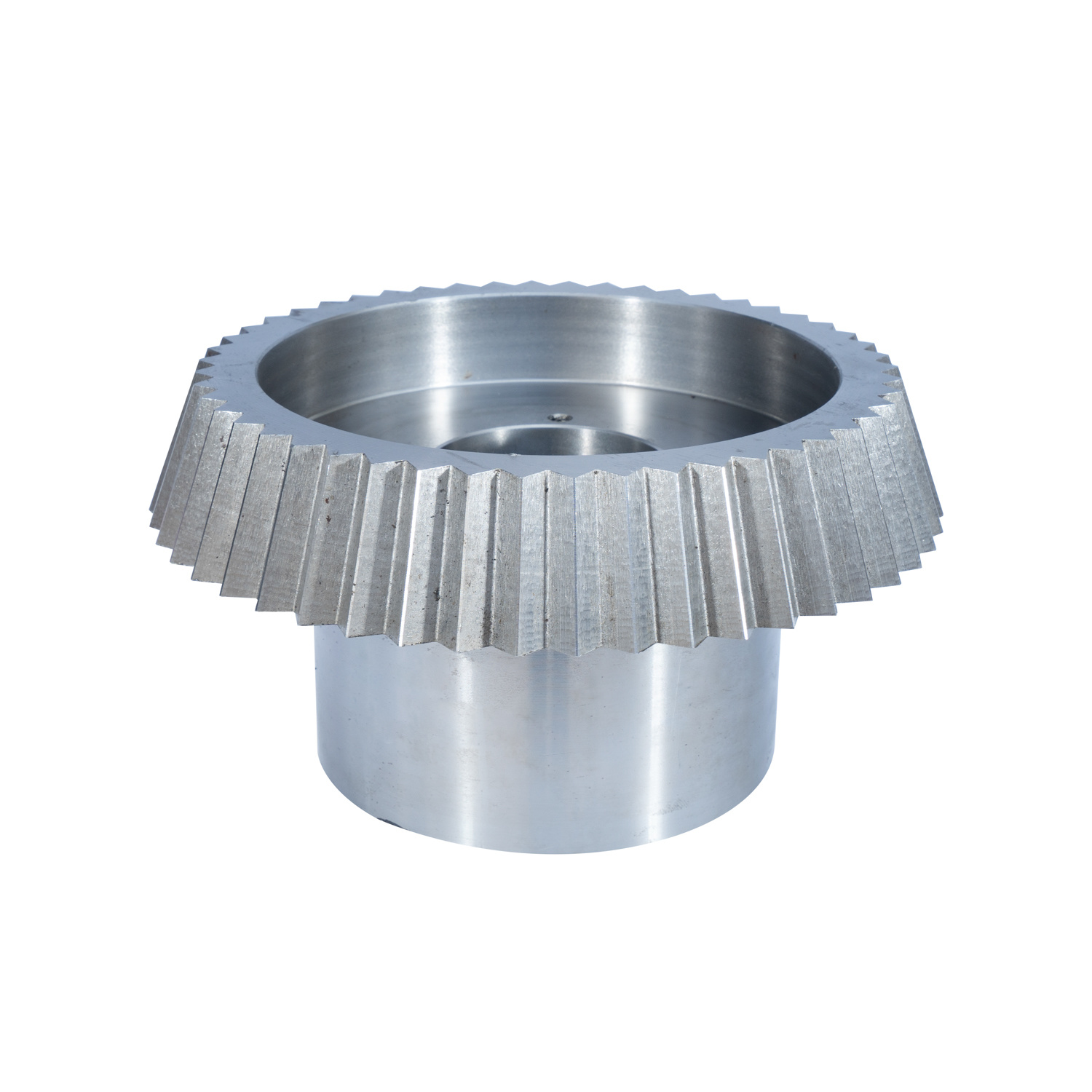
Mechanical transmission gears are critical components in automotive drivetrains, playing a vital role in the transfer of power from the engine to the wheels. These gears facilitate various functions, including speed modulation, torque conversion, and directional movement, allowing vehicles to operate efficiently under diverse driving conditions. The design and selection of mechanical transmission gears directly impact the performance and reliability of a vehicle.
At a fundamental level, mechanical transmission gears operate on the principle of gear ratio, which is the ratio of the number of teeth on two meshing gears. This ratio determines how much torque is transferred and how fast the vehicle can move. For example, a higher gear ratio typically yields more torque, making it easier for the vehicle to accelerate, especially when starting from a standstill or climbing hills. Conversely, a lower gear ratio allows for higher speeds but less torque, which is ideal for cruising on highways.
There are several types of mechanical transmission gears, each designed for specific applications. The most common types include spur gears, helical gears, bevel gears, and worm gears. Spur gears are straightforward and efficient, primarily used in applications where speed and simplicity are essential. Helical gears, with their angled teeth, provide smoother and quieter operation, making them suitable for automotive transmissions. Bevel gears are used to change the direction of power transmission, while worm gears allow for significant speed reduction in compact spaces.
In the context of automotive drivetrains, the selection of mechanical transmission gears is vital. Engineers must consider factors such as vehicle weight, intended use, and desired performance characteristics when designing the transmission system. A well-optimized gear system can enhance fuel efficiency, improve acceleration, and reduce wear on other drivetrain components.
Moreover, the maintenance of mechanical transmission gears is crucial to ensure a vehicle's longevity and performance. Regular checks for wear and tear, along with proper lubrication, can prevent gear failure and costly repairs. Understanding the role of these gears in the drivetrain helps vehicle owners appreciate the complexity of automotive engineering and encourages proactive maintenance.
In conclusion, mechanical transmission gears are indispensable components of modern vehicles, enabling efficient power transfer and contributing to overall performance. By understanding their functions, types, and maintenance needs, automotive professionals and enthusiasts can make informed decisions that enhance vehicle operation and longevity.
At a fundamental level, mechanical transmission gears operate on the principle of gear ratio, which is the ratio of the number of teeth on two meshing gears. This ratio determines how much torque is transferred and how fast the vehicle can move. For example, a higher gear ratio typically yields more torque, making it easier for the vehicle to accelerate, especially when starting from a standstill or climbing hills. Conversely, a lower gear ratio allows for higher speeds but less torque, which is ideal for cruising on highways.
There are several types of mechanical transmission gears, each designed for specific applications. The most common types include spur gears, helical gears, bevel gears, and worm gears. Spur gears are straightforward and efficient, primarily used in applications where speed and simplicity are essential. Helical gears, with their angled teeth, provide smoother and quieter operation, making them suitable for automotive transmissions. Bevel gears are used to change the direction of power transmission, while worm gears allow for significant speed reduction in compact spaces.
In the context of automotive drivetrains, the selection of mechanical transmission gears is vital. Engineers must consider factors such as vehicle weight, intended use, and desired performance characteristics when designing the transmission system. A well-optimized gear system can enhance fuel efficiency, improve acceleration, and reduce wear on other drivetrain components.
Moreover, the maintenance of mechanical transmission gears is crucial to ensure a vehicle's longevity and performance. Regular checks for wear and tear, along with proper lubrication, can prevent gear failure and costly repairs. Understanding the role of these gears in the drivetrain helps vehicle owners appreciate the complexity of automotive engineering and encourages proactive maintenance.
In conclusion, mechanical transmission gears are indispensable components of modern vehicles, enabling efficient power transfer and contributing to overall performance. By understanding their functions, types, and maintenance needs, automotive professionals and enthusiasts can make informed decisions that enhance vehicle operation and longevity.
TAG:
Contact Us
E-mail :
001@shenma-sprocket.com
Phone/WhatsApp:
+86-15028709856
Address:
Military Camp Village, Shimen Qiao Town, Renqiu City, Cangzhou, Hebei, China
Contact Info
Export Manager: Mr. Shen
Military Camp Village, Shimen Qiao Town, Renqiu City, Cangzhou, Hebei, China


Quick Link
Home

About Us
Product
OEM
Blog
Service
Contact Us
Get a Quote