

Small Gears in Action: Real-World Examples in Automotive
Jun 29,2026
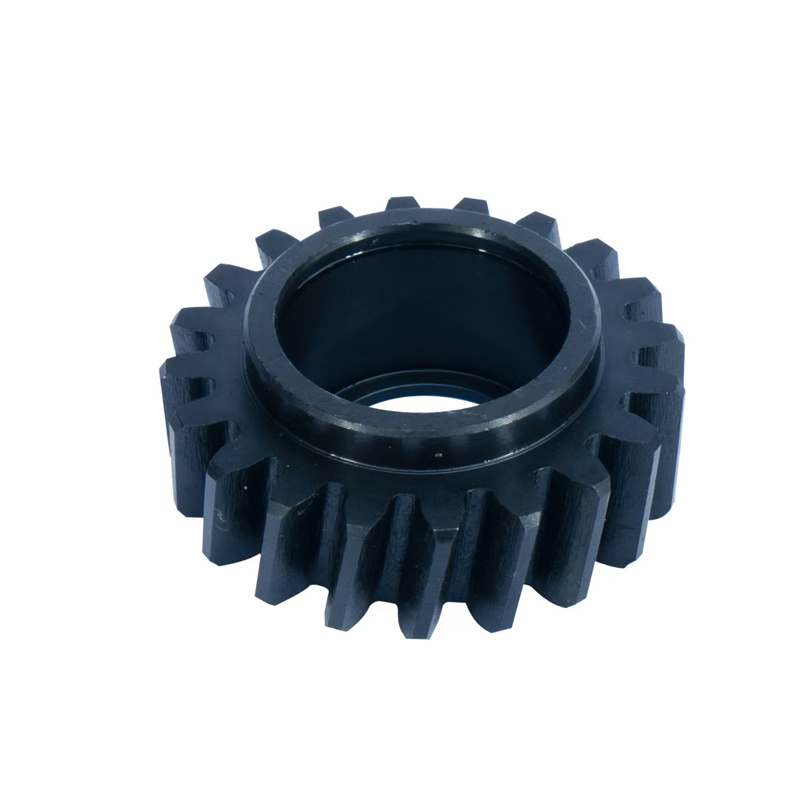
Small Gears in Action: Real-World Examples in Automotive
Table of Contents
- 1. Introduction to Small Gears in Automotive
- 2. Importance of Small Gears in Vehicles
- 3. Applications of Small Gears in Automotive Systems
- 4. Design Considerations for Small Gears
- 5. Materials Used in Small Gears
- 6. Performance Factors Influencing Small Gears
- 7. Maintenance of Small Gears
- 8. Conclusion
1. Introduction to Small Gears in Automotive
Automotive engineering is a complex field that relies heavily on various mechanical components, among which small gears are essential. These unassuming yet crucial elements enable smooth operation in numerous automotive systems. In this article, we will delve into real-world examples of how small gears function within vehicles, highlighting their significance and contributions to overall performance.
2. Importance of Small Gears in Vehicles
Small gears are vital for various reasons. They facilitate the transmission of power and motion between different components in a vehicle. Because of their size, they can be used in tight spaces where larger gears would be impractical. This versatility allows engineers to design more compact and efficient systems, contributing to the overall performance and efficiency of vehicles.
Additionally, small gears often increase torque and speed, which is critical for applications ranging from engine components to steering systems. Their precise function and reliable performance can significantly enhance vehicle handling and reliability.
3. Applications of Small Gears in Automotive Systems
Small gears serve multiple purposes across various automotive applications. Their ability to efficiently transmit power makes them suitable for different systems within a vehicle.
3.1. Small Gears in Transmissions
In automotive transmissions, small gears play a critical role in the process of gear shifting. They are responsible for converting the engine's rotational power into the necessary torque for the vehicle's wheels. A typical manual transmission utilizes a series of small gears to allow drivers to change speeds seamlessly.
Automatic transmissions employ planetary gear systems, which consist of sun gears, planet gears, and ring gears. Here, small gears help in achieving different gear ratios, which contribute to the vehicle's acceleration and fuel efficiency. For instance, when a driver accelerates, the engagement of small gears allows for a smooth transition from low to high speeds.
3.2. Role in Steering Systems
Small gears also play a pivotal role in steering systems, particularly in rack and pinion setups. In these systems, a small gear (the pinion) meshes with a linear gear (the rack) to convert rotational motion into linear motion, allowing for precise steering control.
In modern vehicles, electric power steering (EPS) systems utilize small gears for enhancing responsiveness and reducing driver effort. The integration of small gears facilitates a smoother steering experience, enhancing vehicle maneuverability and driver comfort.
3.3. Small Gears in Differentials
Differentials are vital components in a vehicle's drivetrain, allowing wheels to rotate at different speeds, particularly while turning. Small gears within the differential assembly enable this functionality.
The arrangement typically involves small bevel gears, allowing for smooth and efficient power transfer to the wheels. This design minimizes tire wear and enhances overall vehicle stability during turns, significantly improving the driving experience.
4. Design Considerations for Small Gears
When designing small gears for automotive applications, several factors must be considered. Gear size, tooth shape, and material selection are crucial to ensure optimal performance.
The gear tooth design directly influences how well the gears mesh, affecting power transmission efficiency. Engineers often opt for specific tooth profiles, such as involute or cycloidal, to enhance the gear's effectiveness. Additionally, precision in manufacturing is critical to ensure that the gears fit perfectly, minimizing wear and friction.
Moreover, the design must also account for factors like load capacity and stress analysis to ensure that the gears can withstand the operational demands of automotive environments.
5. Materials Used in Small Gears
The choice of material for small gears significantly impacts their performance and durability. Common materials include steel, aluminum, and various composite materials.
**Steel** is favored for its strength and durability, making it ideal for high-stress applications like transmissions. **Aluminum**, being lightweight, is often used in applications where reducing weight is essential, such as in racing vehicles. Composite materials are gaining popularity due to their corrosion resistance and lower weight, offering an alternative to traditional metals.
Selecting the right material also involves considering factors such as cost, weight, and resistance to wear and fatigue, ensuring the longevity and reliability of small gears in automotive applications.
6. Performance Factors Influencing Small Gears
Several factors influence the performance of small gears in automotive applications, including lubrication, load capacity, and operating conditions.
Proper lubrication is essential to reduce friction and wear, ensuring that gears operate smoothly. The type of lubricant used can affect gear efficiency, with synthetic oils often providing better performance compared to traditional oils.
Load capacity is another critical factor, as gears must withstand the forces exerted during operation. Engineers must calculate the expected loads and select gears that can handle these stresses without failure.
Lastly, environmental conditions, such as temperature and exposure to contaminants, can impact gear performance. Designing gears that can withstand varying conditions is essential for ensuring reliability across different driving environments.
7. Maintenance of Small Gears
Regular maintenance of small gears is crucial for ensuring their longevity and performance. Here are some key practices:
- **Lubrication Checks:** Regularly inspect and replace lubricants to prevent gear wear and overheating.
- **Visual Inspections:** Look for signs of wear, such as pitting or scoring on gear teeth, which may indicate a need for replacement.
- **Alignment Checks:** Ensure that gears are properly aligned to prevent excessive wear and potential failure.
- **Cleaning:** Keep the gear system clean to prevent the buildup of dirt and debris, which can cause premature wear.
By adhering to a rigorous maintenance schedule, vehicle owners can significantly extend the life of small gears and maintain optimal performance.
8. Conclusion
Small gears may be small in size, but their impact within the automotive industry is monumental. From enabling efficient transmission of power to enhancing vehicle handling and performance, these gears play a vital role in modern vehicles. Understanding their applications, design considerations, and maintenance requirements can help automotive enthusiasts and engineers appreciate the intricacies of these essential components. As technology advances, the role of small gears will continue to evolve, providing opportunities for enhanced performance and efficiency in the automotive sector.
TAG:

Contact Us
E-mail :
001@shenma-sprocket.com
Phone/WhatsApp:
+86-15028709856
Address:
Military Camp Village, Shimen Qiao Town, Renqiu City, Cangzhou, Hebei, China
Contact Info
Export Manager: Mr. Shen
Military Camp Village, Shimen Qiao Town, Renqiu City, Cangzhou, Hebei, China


Quick Link
Home

About Us
Product
OEM
Blog
Service
Contact Us
Get a Quote