

Understanding the Role of Small Gears in Automotive Transmission Systems
Jul 14,2026
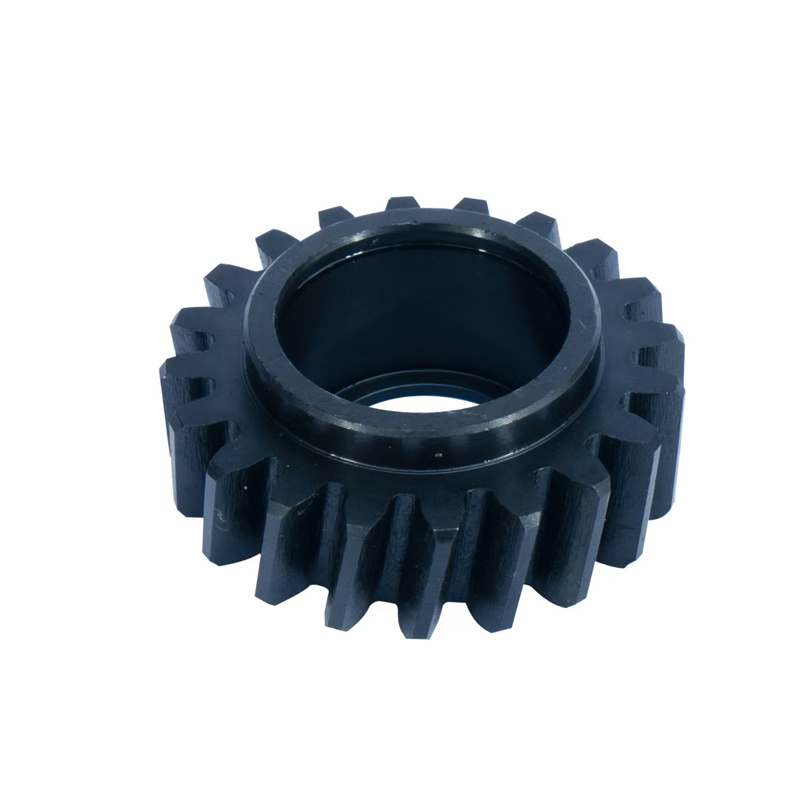
In the realm of automotive transmission systems, small gears play a pivotal role in enhancing performance and efficiency. These components, often overlooked, are integral to the functioning of various mechanical systems, including those found in engines, differential assemblies, and powertrains. Understanding the function and design of small gears can provide valuable insights for anyone involved in the automotive and parts industry.
Small gears are typically used in conjunction with larger gears to achieve desired mechanical advantages, such as speed reduction and torque multiplication. The ratio between the sizes of the gears determines their operational efficiency, allowing for smooth transitions in power delivery. The precision in which these gears are manufactured is critical; even the slightest deviation can lead to increased wear and diminished performance. Therefore, attention to detail in the design and fabrication of small gears is essential for maintaining optimal function in complex transmission systems.
One of the main benefits of utilizing small gears is their ability to facilitate compact designs in automotive applications. Given the constraints of space within modern vehicles, engineers often rely on small gears to maximize the effectiveness of their designs while minimizing weight. This not only contributes to better fuel efficiency but also enhances the overall performance of the vehicle. The integration of small gears allows for high-speed operations without sacrificing reliability or durability.
Material selection is another vital consideration when it comes to small gears. The choice of material can significantly influence the gear's performance, resistance to wear, and ability to withstand operational stresses. Common materials include various alloys and composites, each offering unique properties that cater to specific applications within automotive systems. For instance, certain materials may be better suited for high-temperature environments, while others may excel in low-friction applications.
Moreover, lubrication is crucial for the longevity and efficiency of small gears. Proper lubrication reduces friction and heat generation, which could otherwise lead to premature wear or failure. In automotive applications, selecting the right type of lubricant is imperative, as it ensures optimal performance under various operating conditions.
In conclusion, small gears are fundamental components in automotive transmission systems. Their design, material, and lubrication considerations significantly impact the performance and efficiency of vehicles. For professionals in the automotive and parts industry, understanding the intricacies of small gears can lead to improved designs and better-performing vehicles. By prioritizing the quality and functionality of these components, the industry can continue to advance towards more efficient and reliable automotive solutions.
Small gears are typically used in conjunction with larger gears to achieve desired mechanical advantages, such as speed reduction and torque multiplication. The ratio between the sizes of the gears determines their operational efficiency, allowing for smooth transitions in power delivery. The precision in which these gears are manufactured is critical; even the slightest deviation can lead to increased wear and diminished performance. Therefore, attention to detail in the design and fabrication of small gears is essential for maintaining optimal function in complex transmission systems.
One of the main benefits of utilizing small gears is their ability to facilitate compact designs in automotive applications. Given the constraints of space within modern vehicles, engineers often rely on small gears to maximize the effectiveness of their designs while minimizing weight. This not only contributes to better fuel efficiency but also enhances the overall performance of the vehicle. The integration of small gears allows for high-speed operations without sacrificing reliability or durability.
Material selection is another vital consideration when it comes to small gears. The choice of material can significantly influence the gear's performance, resistance to wear, and ability to withstand operational stresses. Common materials include various alloys and composites, each offering unique properties that cater to specific applications within automotive systems. For instance, certain materials may be better suited for high-temperature environments, while others may excel in low-friction applications.
Moreover, lubrication is crucial for the longevity and efficiency of small gears. Proper lubrication reduces friction and heat generation, which could otherwise lead to premature wear or failure. In automotive applications, selecting the right type of lubricant is imperative, as it ensures optimal performance under various operating conditions.
In conclusion, small gears are fundamental components in automotive transmission systems. Their design, material, and lubrication considerations significantly impact the performance and efficiency of vehicles. For professionals in the automotive and parts industry, understanding the intricacies of small gears can lead to improved designs and better-performing vehicles. By prioritizing the quality and functionality of these components, the industry can continue to advance towards more efficient and reliable automotive solutions.
TAG:

Contact Us
E-mail :
001@shenma-sprocket.com
Phone/WhatsApp:
+86-15028709856
Address:
Military Camp Village, Shimen Qiao Town, Renqiu City, Cangzhou, Hebei, China
Contact Info
Export Manager: Mr. Shen
Military Camp Village, Shimen Qiao Town, Renqiu City, Cangzhou, Hebei, China


Quick Link
Home

About Us
Product
OEM
Blog
Service
Contact Us
Get a Quote