

Understanding Mechanical Transmission Gears: The Heart of Automotive Drive Systems
Jul 26,2026
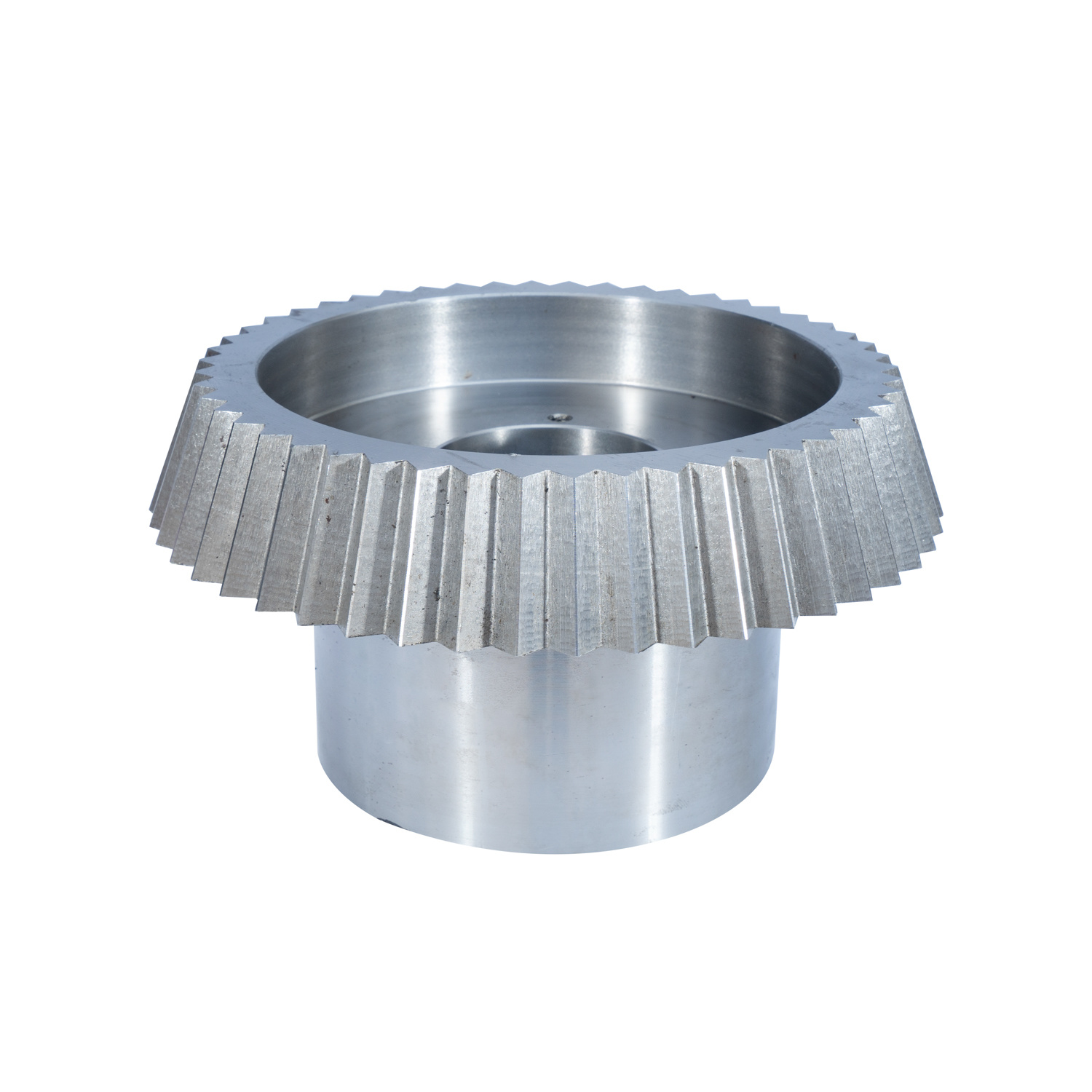
Mechanical transmission gears play a crucial role in the automotive industry, particularly within the drive systems of vehicles. They are fundamental components that facilitate the transfer of power from the engine to the wheels, enabling vehicles to operate efficiently across a range of speeds and loads. Understanding the intricacies of these gears can provide valuable insights for professionals in the automotive field.
At its core, mechanical transmission gears function on the principle of torque multiplication and speed reduction. When an engine generates power, the transmission system uses gears to adjust the torque and speed delivered to the drive wheels. This adjustment is vital for optimizing fuel efficiency, enhancing acceleration, and ensuring smooth operation across varying driving conditions. Gears come in various forms, including spur gears, helical gears, bevel gears, and planetary gears, each designed to fulfill specific operational requirements.
One of the fundamental aspects of mechanical transmission gears is their design. The selection of gear type, material, and tooth profile greatly influences the performance and durability of the transmission system. For instance, helical gears offer better load distribution due to their angled teeth, reducing noise and vibration compared to spur gears. Similarly, planetary gear systems are renowned for their compactness and ability to provide high torque in a lightweight format, making them a popular choice in modern automotive applications.
Moreover, advancements in gear manufacturing technology, such as computer-aided design (CAD) and computer numerical control (CNC) machining, have significantly improved the precision and efficiency of gear production. This technology allows for the creation of intricate gear designs that enhance the overall performance of the transmission system.
The importance of proper lubrication cannot be overlooked when discussing mechanical transmission gears. Adequate lubrication minimizes friction between the gear teeth, reducing wear and extending the lifespan of the gears. Regular maintenance checks and the use of high-quality lubricant are essential to ensure optimal performance and prevent premature failure of the transmission system.
In conclusion, mechanical transmission gears are integral to the efficient functioning of automotive drive systems. Their design, material selection, and maintenance are critical factors that influence vehicle performance. By understanding the role of these gears, professionals in the automotive field can make informed decisions to enhance vehicle efficiency and reliability, ultimately contributing to a better driving experience.
At its core, mechanical transmission gears function on the principle of torque multiplication and speed reduction. When an engine generates power, the transmission system uses gears to adjust the torque and speed delivered to the drive wheels. This adjustment is vital for optimizing fuel efficiency, enhancing acceleration, and ensuring smooth operation across varying driving conditions. Gears come in various forms, including spur gears, helical gears, bevel gears, and planetary gears, each designed to fulfill specific operational requirements.
One of the fundamental aspects of mechanical transmission gears is their design. The selection of gear type, material, and tooth profile greatly influences the performance and durability of the transmission system. For instance, helical gears offer better load distribution due to their angled teeth, reducing noise and vibration compared to spur gears. Similarly, planetary gear systems are renowned for their compactness and ability to provide high torque in a lightweight format, making them a popular choice in modern automotive applications.
Moreover, advancements in gear manufacturing technology, such as computer-aided design (CAD) and computer numerical control (CNC) machining, have significantly improved the precision and efficiency of gear production. This technology allows for the creation of intricate gear designs that enhance the overall performance of the transmission system.
The importance of proper lubrication cannot be overlooked when discussing mechanical transmission gears. Adequate lubrication minimizes friction between the gear teeth, reducing wear and extending the lifespan of the gears. Regular maintenance checks and the use of high-quality lubricant are essential to ensure optimal performance and prevent premature failure of the transmission system.
In conclusion, mechanical transmission gears are integral to the efficient functioning of automotive drive systems. Their design, material selection, and maintenance are critical factors that influence vehicle performance. By understanding the role of these gears, professionals in the automotive field can make informed decisions to enhance vehicle efficiency and reliability, ultimately contributing to a better driving experience.
TAG:
Contact Us
E-mail :
001@shenma-sprocket.com
Phone/WhatsApp:
+86-15028709856
Address:
Military Camp Village, Shimen Qiao Town, Renqiu City, Cangzhou, Hebei, China
Contact Info
Export Manager: Mr. Shen
Military Camp Village, Shimen Qiao Town, Renqiu City, Cangzhou, Hebei, China


Quick Link
Home

About Us
Product
OEM
Blog
Service
Contact Us
Get a Quote