

Understanding the Intricate Dynamics of Small Gears in Multi-Speed Transmissions
Jul 29,2026
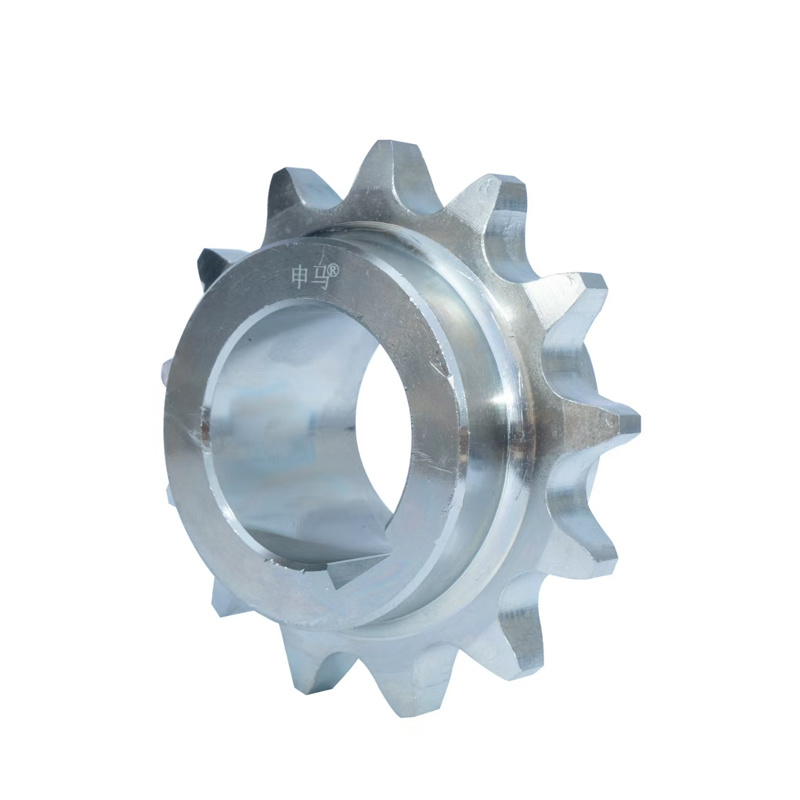
Understanding the Intricate Dynamics of Small Gears in Multi-Speed Transmissions
Table of Contents
- 1. Introduction to Multi-Speed Transmissions
- 2. The Importance of Small Gears in Transmissions
- 3. How Small Gears Function in Multi-Speed Transmissions
- 4. Types of Small Gears Used in Transmissions
- 5. Applications of Small Gears in Automotive Engineering
- 6. Recent Advancements in Gear Technology
- 7. Common Issues with Small Gears in Transmissions
- 8. The Future of Small Gears in Multi-Speed Transmissions
- 9. Frequently Asked Questions
- 10. Conclusion
1. Introduction to Multi-Speed Transmissions
In the realm of automotive engineering, **multi-speed transmissions** serve as the backbone of vehicle performance, allowing drivers to optimize speed and efficiency. At the heart of these complex systems lie small gears, which play a pivotal role in converting power generated by the engine into motion. Understanding the dynamics of these gears is essential for engineers, mechanics, and enthusiasts alike.
2. The Importance of Small Gears in Transmissions
The significance of small gears cannot be overstated. They not only facilitate smooth transitions between different speeds but also help in managing torque and reducing power loss. Small gears work in tandem to ensure that the engine operates within its optimal range, improving fuel efficiency and overall performance.
The Role of Gear Ratios
Gear ratios are crucial in determining how effectively a transmission can transfer power. Small gears often have higher RPM (revolutions per minute) capabilities compared to larger counterparts, which allows for quicker acceleration and better handling. The precise arrangement of these gears creates a harmonious balance between speed and torque.
3. How Small Gears Function in Multi-Speed Transmissions
The functioning of small gears within multi-speed transmissions involves a series of mechanical interactions that can be quite intricate. When the driver shifts gears, a series of small gears engage and disengage, altering the gear ratio and thus affecting the vehicle's speed and torque output.
The Mechanics of Engagement
When a gear shift occurs, small gears are engaged by a synchronizer, which aligns the gears before they mesh. This process ensures a smooth transition, minimizing wear and tear. The interaction between gears also affects the load distribution across the transmission, which can enhance durability and performance.
4. Types of Small Gears Used in Transmissions
Various types of small gears are employed in multi-speed transmissions, each designed to fulfill specific roles.
Spur Gears
Spur gears are the most straightforward type, characterized by their straight teeth. They are efficient for transferring power between parallel shafts and are commonly used in transmissions due to their simplicity and reliability.
Helical Gears
Helical gears, with their angled teeth, offer smoother engagement and quieter operation compared to spur gears. They are ideal for high-speed applications and are often used in multi-speed transmissions to reduce noise and vibration.
Planetary Gears
Planetary gear systems consist of a central sun gear, planet gears, and a ring gear. They provide a compact solution for achieving multiple gear ratios within a small space, making them popular in automatic transmissions.
Bevel Gears
Bevel gears are used to change the axis of rotation and are essential in applications requiring a change in direction. Their ability to transmit power at various angles makes them crucial in certain multi-speed transmission designs.
5. Applications of Small Gears in Automotive Engineering
Small gears find extensive applications in automotive engineering, significantly enhancing vehicle performance and efficiency.
Manual vs. Automatic Transmissions
In manual transmissions, small gears allow drivers to select gear ratios manually, providing complete control over engine output. Conversely, automatic transmissions utilize small gears to shift seamlessly, optimizing fuel efficiency without driver intervention.
Performance Vehicles
In performance vehicles, small gears play a critical role in enhancing acceleration and speed. Advanced gear systems allow for quick shifts and improved power delivery, which are vital for high-performance applications.
6. Recent Advancements in Gear Technology
As technology evolves, so do the materials and designs used in small gears. Recent advancements have focused on improving the efficiency, durability, and noise reduction of gear systems.
Use of Lightweight Materials
The incorporation of lightweight materials such as carbon fiber and advanced alloys has significantly reduced the weight of small gears. This reduction enhances fuel efficiency and performance without compromising strength.
Precision Manufacturing Techniques
Precision manufacturing techniques such as CNC machining and 3D printing have revolutionized gear production. These methods allow for tighter tolerances, leading to improved gear meshing and reduced friction, which enhances overall system efficiency.
7. Common Issues with Small Gears in Transmissions
Despite their critical role, small gears can encounter various issues that affect performance.
Wear and Tear
Due to their constant engagement and high RPM operation, small gears can experience wear over time. Regular maintenance, including lubrication and inspections, is essential to prevent premature failure.
Misalignment
Misalignment of the gear system can lead to increased wear, noise, and reduced efficiency. Proper installation and regular checks can help mitigate these issues.
8. The Future of Small Gears in Multi-Speed Transmissions
The future of small gears in multi-speed transmissions looks promising with ongoing advancements in technology.
Integration with Electric Vehicles
As the automotive industry shifts toward electric vehicles (EVs), the design of small gears will evolve to accommodate new technologies. This includes enhancements tailored for electric motors, which operate differently than traditional internal combustion engines.
Smart Gear Systems
The development of smart gear systems that utilize sensors and AI for real-time adjustments is on the horizon. Such systems will enhance performance and efficiency, ushering in a new era of intelligent automotive engineering.
9. Frequently Asked Questions
What is the role of small gears in a multi-speed transmission?
Small gears enable the transmission to switch between different gear ratios, affecting speed and torque delivery in the vehicle.
How do small gears contribute to fuel efficiency?
By optimizing power transfer and reducing energy loss during gear shifts, small gears help improve the overall fuel efficiency of a vehicle.
What are the signs of wear in small gears?
Common signs of wear include unusual noises, difficulty shifting gears, and reduced performance or efficiency.
What materials are best for small gears in transmissions?
Advanced alloys and lightweight materials are preferred for their durability, strength, and ability to minimize weight while maintaining performance.
How can I maintain small gears in my vehicle?
Regular inspections, proper lubrication, and timely replacements are crucial for maintaining the health of small gears in a transmission.
10. Conclusion
In conclusion, small gears play an indispensable role in the functionality of multi-speed transmissions. Understanding their intricate dynamics not only enhances our appreciation for automotive engineering but also drives innovations that lead to improved performance and efficiency. As technology continues to advance, the future of small gears promises exciting developments that will redefine how vehicles operate, ensuring they remain at the forefront of performance and sustainability.
TAG:
PREVIOUS:


Contact Us
E-mail :
001@shenma-sprocket.com
Phone/WhatsApp:
+86-15028709856
Address:
Military Camp Village, Shimen Qiao Town, Renqiu City, Cangzhou, Hebei, China
Contact Info
Export Manager: Mr. Shen
Military Camp Village, Shimen Qiao Town, Renqiu City, Cangzhou, Hebei, China


Quick Link
Home

About Us
Product
OEM
Blog
Service
Contact Us
Get a Quote