

Why Choosing the Right Mechanical Transmission Gears Matters for Your Vehicle
Aug 10,2026

Why Choosing the Right Mechanical Transmission Gears Matters for Your Vehicle
The Importance of Transmission Gears in Vehicles
Transmission gears are one of the most vital components of a vehicle's drivetrain system. They serve to transfer power from the engine to the wheels, allowing for smooth movement and acceleration. Making the right choice in mechanical transmission gears can significantly impact the performance, efficiency, and lifespan of your vehicle. In this article, we will explore why selecting the appropriate gears is paramount and how it can influence various aspects of your driving experience.
Understanding Mechanical Transmission Gears
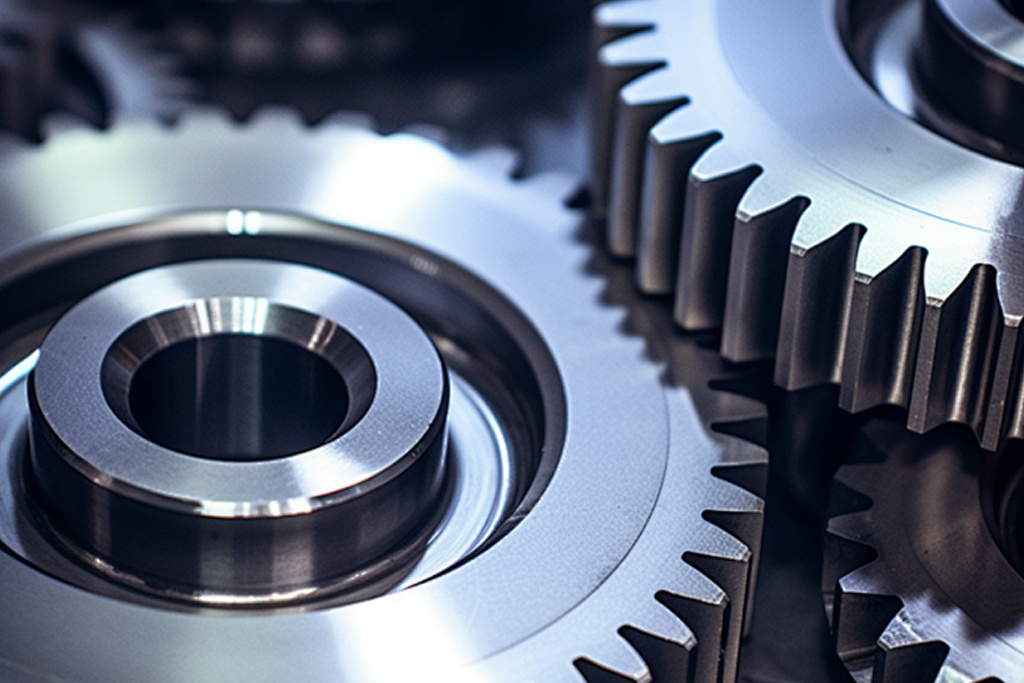
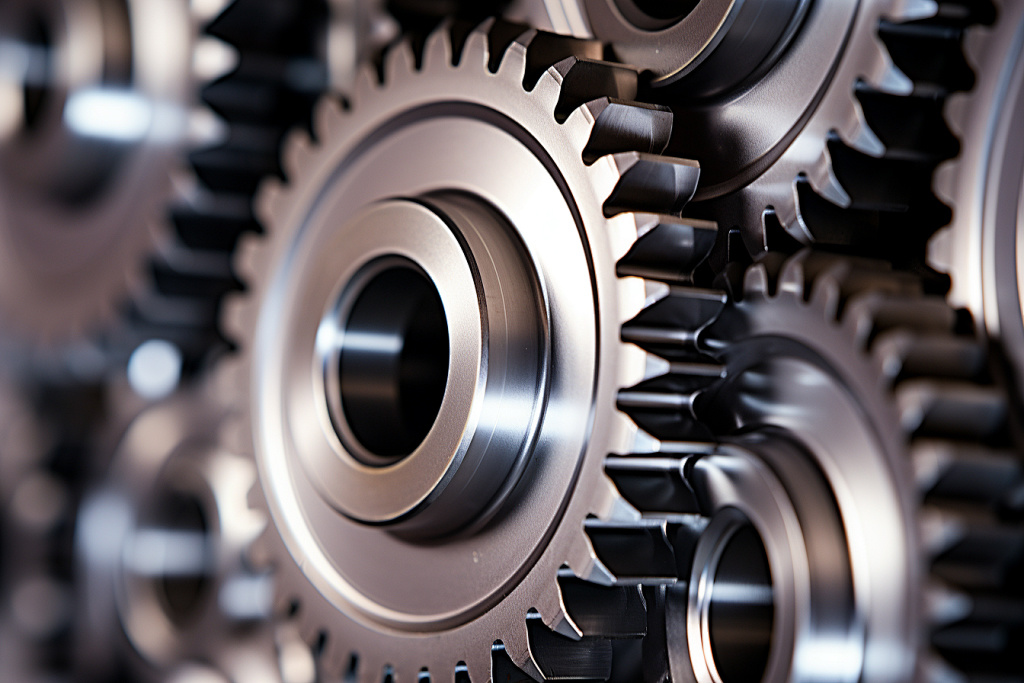
Mechanical transmission gears are designed to optimize the power transfer within a vehicle. They come in various types, including:
1. Gear Types and Their Functions
- **Spur Gears:** These are the most common type, known for their simplicity and efficiency.
- **Helical Gears:** These gears offer smoother operation and are quieter than spur gears, making them ideal for high-speed applications.
- **Bevel Gears:** Used to change the axis of rotation, these gears are essential for differential systems.
- **Planetary Gears:** Found in automatic transmissions, they allow for multiple gear ratios in a compact space.
2. Gear Ratios and Their Impact
The gear ratio is the relationship between the number of teeth on two meshing gears. It determines how many rotations one gear makes in relation to the other. A higher gear ratio may provide more torque, beneficial for off-road driving, while a lower ratio favors speed, suitable for highways. Understanding gear ratios is crucial when selecting the right mechanical transmission gears for your vehicle.
Factors to Consider When Choosing Transmission Gears
Selecting the correct gears requires consideration of several factors that can affect your vehicle's performance.
1. Vehicle Type and Usage
Different vehicles have varying requirements based on their intended use. For instance, performance cars may benefit from gears designed for speed, while trucks may require heavy-duty gears for towing and hauling. Identifying your vehicle type and its primary usage will help narrow down your options.
2. Driving Conditions
The environment in which you drive can drastically influence the type of gears you need. If you frequently traverse hilly terrain or off-road conditions, gears that provide superior torque are essential. For highway driving, gears that enhance fuel efficiency and speed would be more suitable.
3. Engine Specifications
The engine's power output and torque characteristics are crucial when choosing gears. A high-performance engine may require specialized gears to handle increased power, while a standard engine might do well with conventional gears. Matching the gears to the engine specifications ensures optimal performance.
Benefits of Choosing the Right Mechanical Transmission Gears
Selecting the appropriate gears offers numerous advantages that enhance your vehicle's overall functionality.
1. Improved Fuel Efficiency
With the right transmission gears, your vehicle can operate at optimal RPMs, resulting in better fuel economy. Gears that align well with your engine's power band can help reduce fuel consumption significantly.
2. Enhanced Performance and Acceleration
Choosing gears that suit your driving style and conditions can lead to improved acceleration and responsiveness. Whether you're navigating city streets or open highways, the right gears can provide the performance you need.
3. Longevity of Vehicle Components
Using gears that match your vehicle's specifications can reduce wear and tear on other components, such as the engine and drivetrain. This can lead to fewer repairs and a longer lifespan for your vehicle.
Common Mistakes When Selecting Mechanical Transmission Gears
Even experienced vehicle owners can make mistakes when choosing transmission gears. Here are some common pitfalls to avoid.
1. Ignoring Manufacturer Recommendations
Always refer to your vehicle's manufacturer guidelines when selecting gears. Skipping this step can lead to compatibility issues, resulting in poor performance or even damage to the vehicle.
2. Overlooking Gear Material Quality
The material quality of gears plays a vital role in durability and performance. Opting for inferior materials can lead to premature wear and failure. Ensure you choose high-quality gears made from robust materials designed for your specific application.
3. Focusing Solely on Cost
While budget is an important consideration, prioritizing cost over quality can lead to long-term expenses. Investing in the right gears may seem costly initially but can save money on repairs and replacements down the line.
Expert Tips for Selecting the Best Mechanical Transmission Gears
To make an informed decision, consider the following expert tips:
1. Consult with Professionals
Engaging with automotive professionals or specialists can provide personalized recommendations based on your vehicle's needs and your driving habits. They can offer insights that you may not have considered.
2. Test Drive with Different Gears
If possible, test your vehicle with different gear options. This hands-on approach allows you to feel the differences in performance and responsiveness, helping you make an informed choice.
3. Stay Updated on Automotive Technology
Automotive technology is continually evolving. Staying informed about the latest advancements in transmission gears can help you make better choices and ensure your vehicle remains competitive.
Conclusion
Choosing the right mechanical transmission gears is crucial for ensuring your vehicle's optimal performance, efficiency, and longevity. By understanding the types of gears, considering key factors such as vehicle type and usage, and avoiding common mistakes, you can make informed decisions that will benefit your driving experience. Investing time and effort into selecting the appropriate gears will not only enhance your vehicle's performance but also contribute to a smoother, more enjoyable ride for years to come.
FAQs
1. What are the signs of faulty transmission gears?
Signs of faulty transmission gears include grinding noises, slipping gears, and delayed engagement. If you experience these issues, it’s essential to consult a professional mechanic.
2. How often should I check my vehicle's transmission gears?
It is advisable to check your vehicle's transmission gears during regular maintenance intervals, typically every 30,000 to 60,000 miles, or as recommended by your manufacturer.
3. Can I use aftermarket gears in my vehicle?
Aftermarket gears can often be used, but ensure they are compatible with your vehicle's specifications and consider consulting a professional for guidance.
4. How do I know what gear ratio is best for my vehicle?
The best gear ratio depends on your vehicle type, intended use, and driving conditions. Consult with experts or refer to your vehicle’s manual for recommendations.
5. Will upgrading my transmission gears improve my vehicle's performance?
Upgrading to high-quality transmission gears that are compatible with your vehicle can enhance performance, improve fuel efficiency, and prolong the lifespan of your vehicle’s drivetrain.
TAG:
Contact Us
E-mail :
001@shenma-sprocket.com
Phone/WhatsApp:
+86-15028709856
Address:
Military Camp Village, Shimen Qiao Town, Renqiu City, Cangzhou, Hebei, China
Contact Info
Export Manager: Mr. Shen
Military Camp Village, Shimen Qiao Town, Renqiu City, Cangzhou, Hebei, China


Quick Link
Home

About Us
Product
OEM
Blog
Service
Contact Us
Get a Quote