

Understanding the Role of Small Gears in Transmission Systems
Aug 13,2026
---
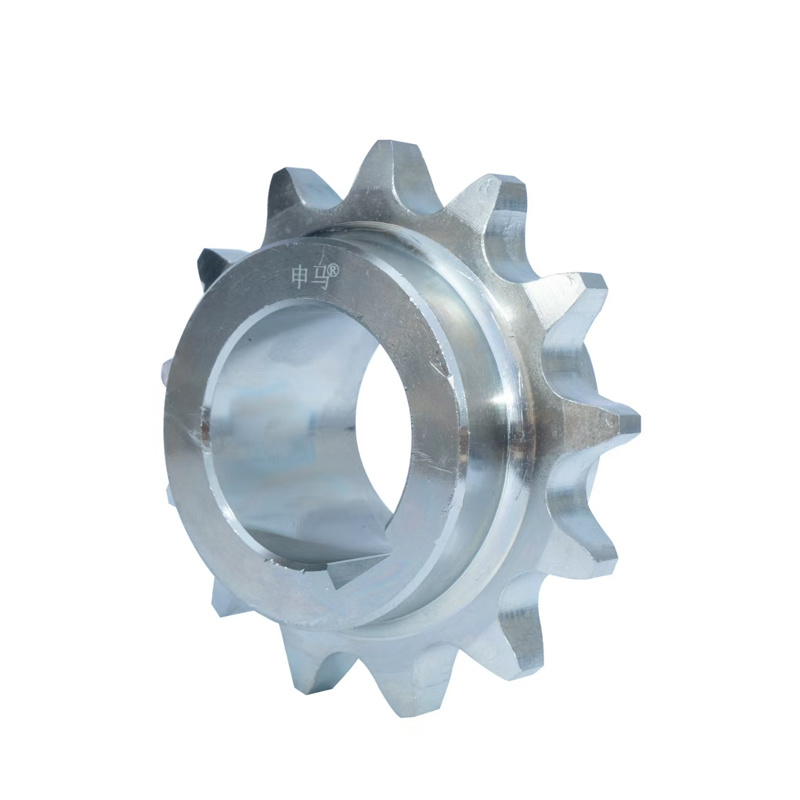
In the realm of automotive and motorcycle components, small gears play a pivotal role in the transmission systems, facilitating efficient power transfer and motion control. These gears, often characterized by their compact size and precise engineering, are integral to the overall functionality and reliability of various mechanical systems.
Small gears are designed to transmit torque and rotational motion between shafts in a highly efficient manner. Their compact design allows for the incorporation of multiple gears in a confined space, enabling a broader range of gear ratios. This flexibility is particularly essential in applications where space is limited, yet high performance is required. For instance, in motorcycles, small gears are crucial for achieving the desired acceleration and speed while maintaining smooth operation.
Material selection is another critical aspect of small gear design. The choice of materials can significantly impact the gear’s strength, weight, and resistance to wear. Common materials for small gears include high-strength alloys and plastics, each offering unique advantages. For instance, while metal gears provide excellent durability and load-bearing capacity, plastic gears may reduce weight and noise levels, making them suitable for specific applications.
When considering the design of small gears, the gear tooth profile is of paramount importance. The shape and engagement of the teeth affect how efficiently the gears mesh and transmit power. Common profiles include involute and cycloidal shapes, each with its own benefits and drawbacks. An involute profile, for instance, provides continuous engagement and smooth operation, while a cycloidal profile can offer higher load capacity in certain applications.
Manufacturing processes for small gears have evolved significantly in recent years, with advancements in precision machining and additive manufacturing. These technologies enable the production of gears with tighter tolerances and complex geometries that were previously challenging to achieve. As a result, manufacturers can create gears that not only meet stringent performance standards but also contribute to overall system efficiency.
In conclusion, small gears are indispensable elements of automotive and motorcycle transmission systems. Their design, material choice, and manufacturing techniques are crucial for optimizing performance, ensuring durability, and enhancing the efficiency of power transfer. Understanding these aspects can help engineers and designers make informed decisions that lead to superior transmission systems capable of meeting modern performance demands. By focusing on the intricacies of small gears, stakeholders in the automotive industry can maximize their systems' reliability and effectiveness, ensuring a competitive edge in a rapidly evolving market.
In the realm of automotive and motorcycle components, small gears play a pivotal role in the transmission systems, facilitating efficient power transfer and motion control. These gears, often characterized by their compact size and precise engineering, are integral to the overall functionality and reliability of various mechanical systems.
Small gears are designed to transmit torque and rotational motion between shafts in a highly efficient manner. Their compact design allows for the incorporation of multiple gears in a confined space, enabling a broader range of gear ratios. This flexibility is particularly essential in applications where space is limited, yet high performance is required. For instance, in motorcycles, small gears are crucial for achieving the desired acceleration and speed while maintaining smooth operation.
Material selection is another critical aspect of small gear design. The choice of materials can significantly impact the gear’s strength, weight, and resistance to wear. Common materials for small gears include high-strength alloys and plastics, each offering unique advantages. For instance, while metal gears provide excellent durability and load-bearing capacity, plastic gears may reduce weight and noise levels, making them suitable for specific applications.
When considering the design of small gears, the gear tooth profile is of paramount importance. The shape and engagement of the teeth affect how efficiently the gears mesh and transmit power. Common profiles include involute and cycloidal shapes, each with its own benefits and drawbacks. An involute profile, for instance, provides continuous engagement and smooth operation, while a cycloidal profile can offer higher load capacity in certain applications.
Manufacturing processes for small gears have evolved significantly in recent years, with advancements in precision machining and additive manufacturing. These technologies enable the production of gears with tighter tolerances and complex geometries that were previously challenging to achieve. As a result, manufacturers can create gears that not only meet stringent performance standards but also contribute to overall system efficiency.
In conclusion, small gears are indispensable elements of automotive and motorcycle transmission systems. Their design, material choice, and manufacturing techniques are crucial for optimizing performance, ensuring durability, and enhancing the efficiency of power transfer. Understanding these aspects can help engineers and designers make informed decisions that lead to superior transmission systems capable of meeting modern performance demands. By focusing on the intricacies of small gears, stakeholders in the automotive industry can maximize their systems' reliability and effectiveness, ensuring a competitive edge in a rapidly evolving market.
TAG:


Contact Us
E-mail :
001@shenma-sprocket.com
Phone/WhatsApp:
+86-15028709856
Address:
Military Camp Village, Shimen Qiao Town, Renqiu City, Cangzhou, Hebei, China
Contact Info
Export Manager: Mr. Shen
Military Camp Village, Shimen Qiao Town, Renqiu City, Cangzhou, Hebei, China


Quick Link
Home

About Us
Product
OEM
Blog
Service
Contact Us
Get a Quote